Targeting mechanosensitive cannabinoid receptor 1 with isoflavone prodrugs attenuates atherosclerotic endothelial dysfunction

Targeting mechanosensitive cannabinoid receptor 1 with isoflavone prodrugs attenuates atherosclerotic endothelial dysfunction
Like

Share this post

Choose a social network to share with, or copy the URL to share elsewhere

This is a representation of how your post may appear on social media. The actual post will vary between social networks

Explore the Research

SpringerLink
SpringerLink SpringerLink

Targeting mechanosensitive cannabinoid receptor 1 with isoflavone prodrugs attenuates atherosclerotic endothelial dysfunction - Journal of Biomedical Science

Background Despite therapeutic advances, atherosclerosis remains a major global health challenge. Most current treatments target systemic risk factors rather than the diseased vascular wall. Our previous work identified genistein, a soy isoflavone, as a cannabinoid receptor 1 (CB1) antagonist capable of suppressing CB1-mediated vascular inflammation and atherosclerosis. However, its poor water solubility and low oral bioavailability limit clinical application. Purpose We aimed to develop water-soluble, orally bioavailable CB1 antagonists for atherosclerosis and to investigate the role of endothelial CB1 in hemodynamic regulation. Methods RNA-sequencing datasets from the NCBI GEO repository were analyzed to assess CB1 expression in atherosclerotic patients. Apolipoprotein E-deficient (Apoe−/−) mice with or without partial carotid artery ligation (PCAL) were used to model acute and chronic atherosclerosis. A cone-and-plate viscometer was employed to simulate disturbed flow. A ligand-based high-throughput virtual screening approach combined with SWEETLEAD chemical database analysis was used to discover new CB1 antagonists. A biotransformation-based strategy was used to generate isoflavone monophosphate prodrugs. Results We found CB1 was upregulated in atherosclerotic lesions from patients and mice, and in endothelial cells exposed to disturbed flow. Mechanistically, this was driven by ZNF610 and Spi1 binding and KLF4 dissociation at the CB1 promoter. Daidzein, a soy isoflavone structurally similar to genistein, was identified as a novel CB1 antagonist. To enhance solubility and bioavailability, we developed genistein 7-O-phosphate (G7P) and daidzein 7-O-phosphate (D7P). Pharmacological treatment with these isoflavone monophosphates or genetic CB1 ablation reversed disturbed flow-induced endothelial dysfunction and endothelial-to-mesenchymal transition (EndMT). Oral administration of G7P and D7P significantly reduced atherosclerotic plaque formation in mice. Conclusions This is the first study to identify transcriptional regulators that drive endothelial CB1 upregulation in response to disturbed flow. We further demonstrated that isoflavone monophosphates ameliorate disturbed flow-induced endothelial dysfunction and EndMT via CB1 inhibition, offering promising oral therapeutics for atherosclerosis.

Despite advances in lipid lowering and anti inflammatory therapies, atherosclerosis remains a leading global health burden. Most current treatments focus on systemic risk factors, while the diseased vascular wall, particularly endothelial cells exposed to disturbed blood flow, remains insufficiently targeted. This gap highlights the need to better understand endothelial mechanosensing and to develop vascular specific therapeutic strategies.

Researchers at National Taiwan University College of Medicine previously identified cannabinoid receptor 1 (CB1) as a pro atherogenic mediator that promotes vascular inflammation. Through high-throughput screening, they found that the soy derived isoflavone genistein acts as a CB1 antagonist capable of suppressing vascular inflammation while sparing central cannabinoid effects. However, its poor water solubility and low oral bioavailability limit its translational potential, and the role of endothelial CB1 in flow dependent vascular regulation has remained unclear.

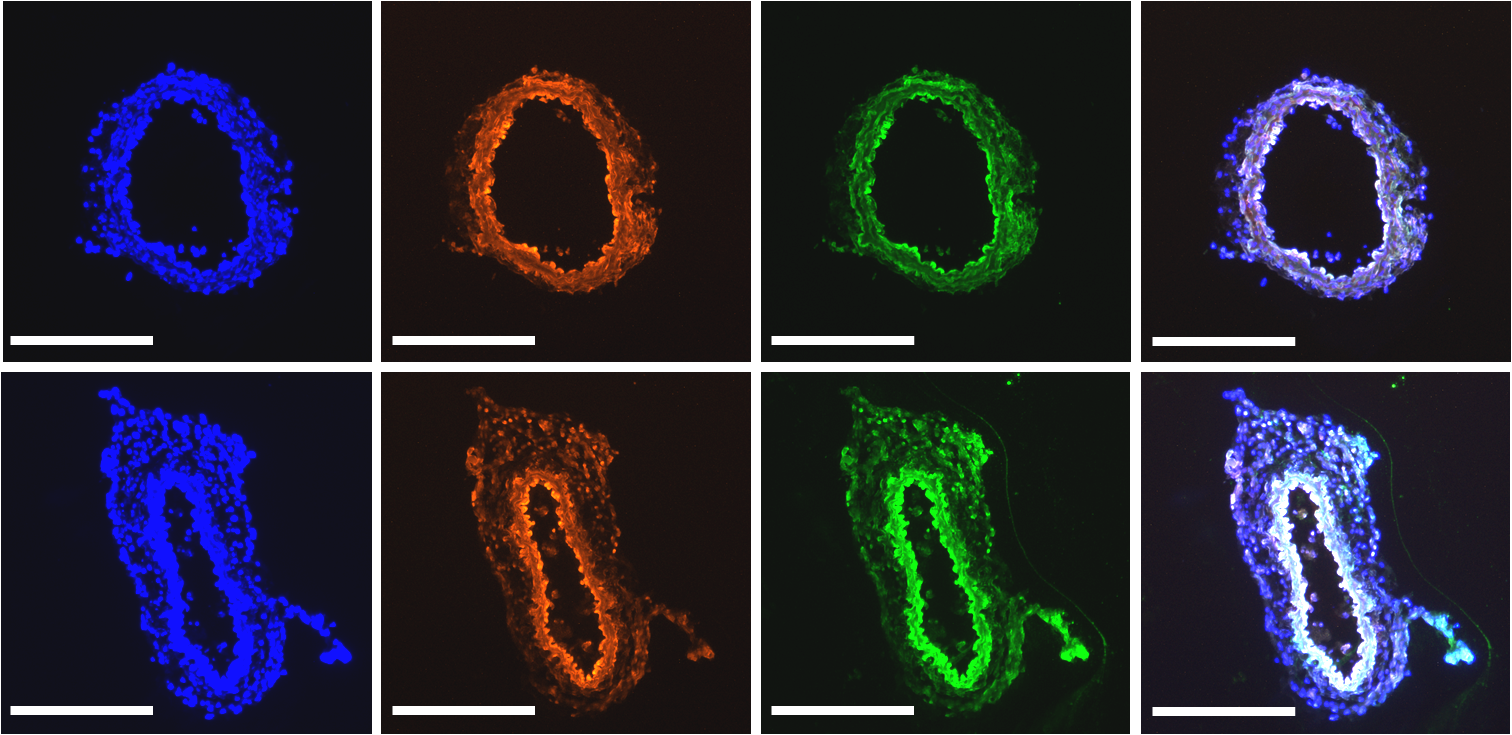
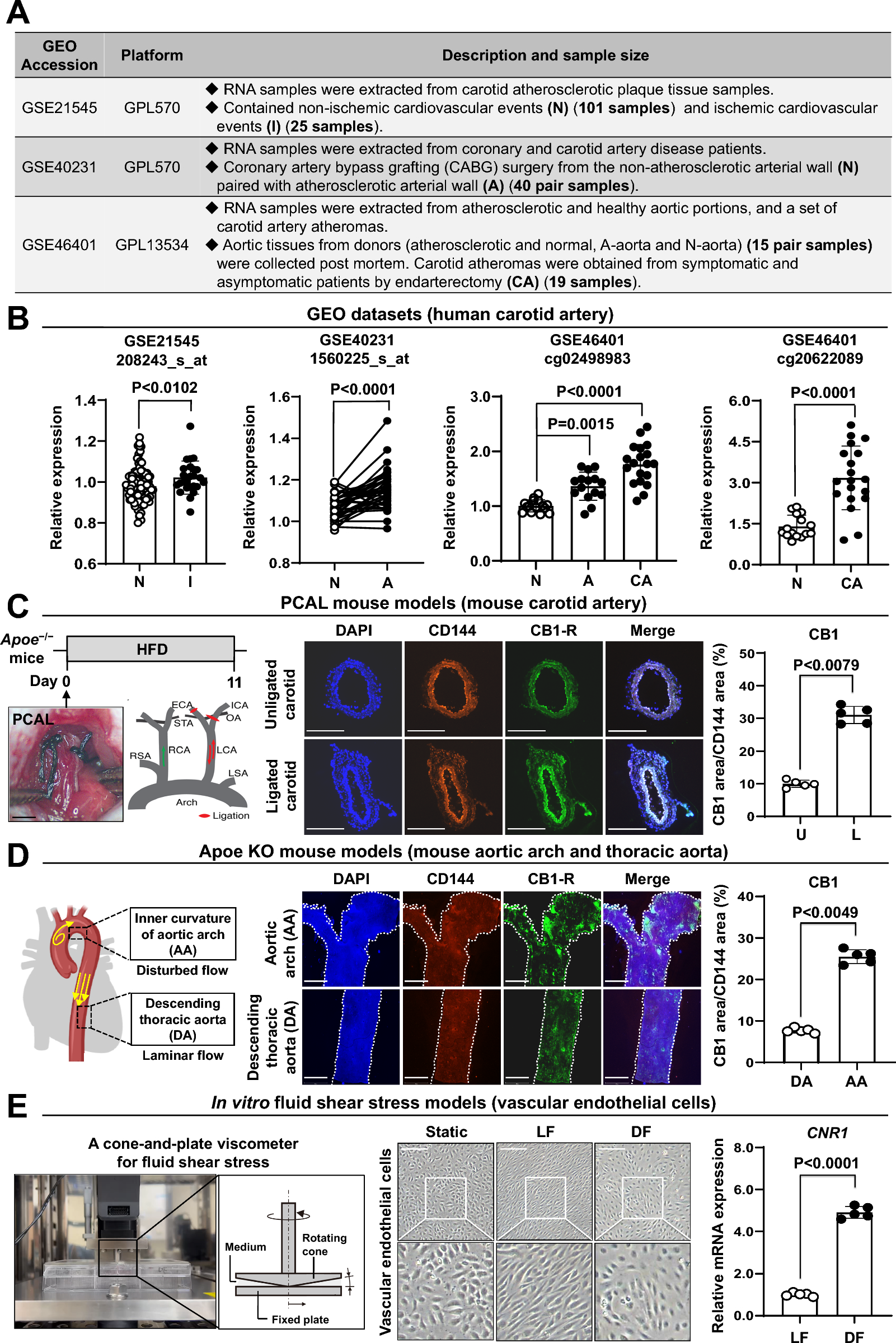
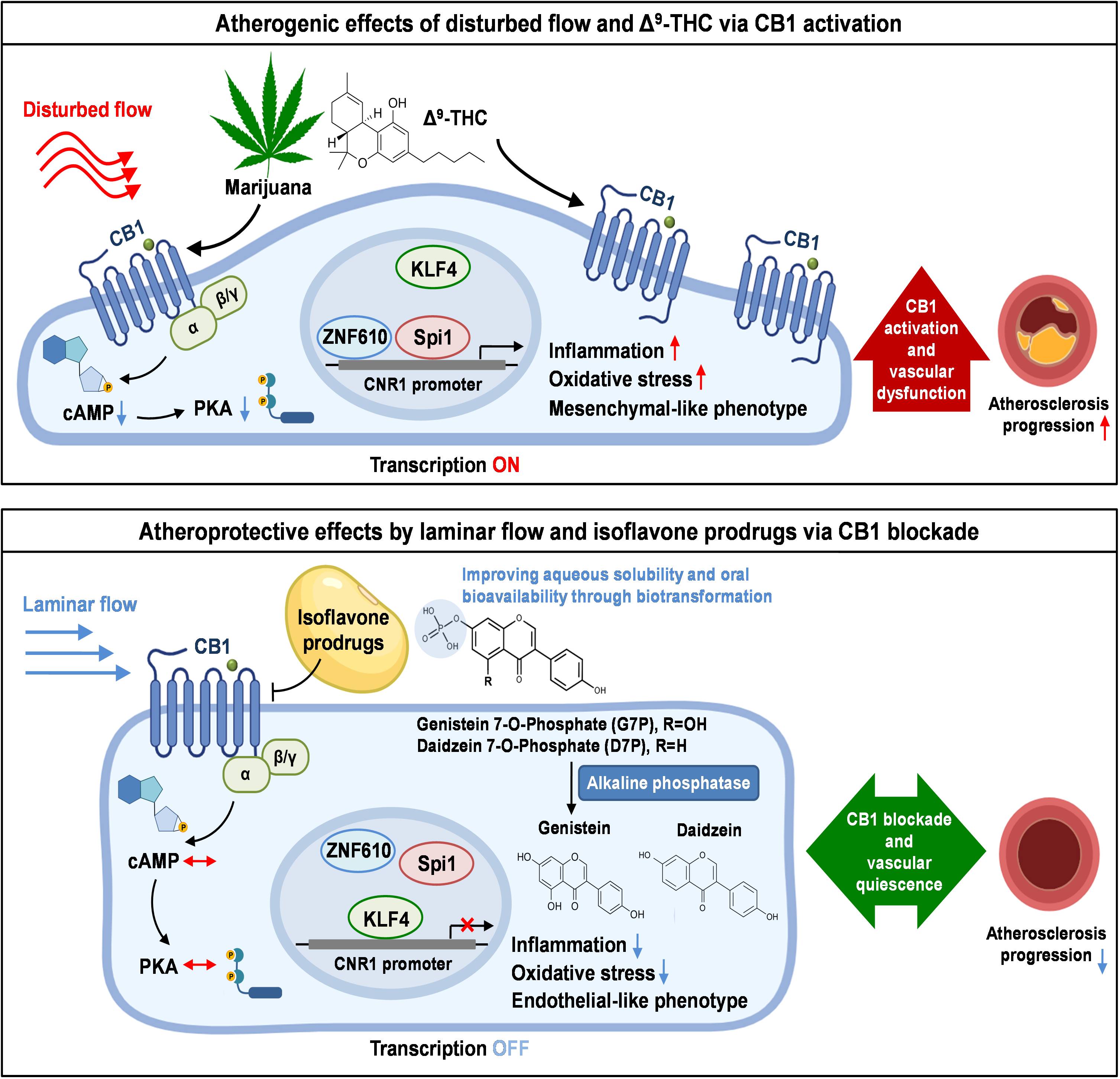
In the present study, CB1 was found to be markedly upregulated in human and murine atherosclerotic lesions, as well as in endothelial cells exposed to disturbed flow. This upregulation was driven by transcriptional regulation involving KLF4, Spi1, and ZNF610. The researchers also identified daidzein, an abundant soy isoflavone, as a previously unrecognized CB1 antagonist. To improve pharmacokinetic properties, monophosphate prodrugs of genistein and daidzein, genistein 7-O-phosphate (G7P) and daidzein 7-O-phosphate (D7P), were developed. Pharmacological or genetic inhibition of CB1 reversed disturbed flow induced endothelial inflammation, oxidative stress, and endothelial to mesenchymal transition, while oral administration of G7P and D7P significantly reduced atherosclerotic plaque formation in mouse models.

Together, these findings highlight endothelial CB1 as a mechanosensitive driver of vascular dysfunction and suggest that isoflavone derived prodrugs may represent promising oral therapies for atherosclerosis.
For further information, the original article is available at

https://link.springer.com/article/10.1186/s12929-026-01214-5  

REFERENCES

  1. Circ Res. 2016;118(4):535-46
  2. Nat Rev Cardiol. 2023;20(11):738-53
  3. Adv Pharmacol. 2017;80:169-206
  4. Nat Rev Cardiol. 2018;15(3):151-66
  5. Annu Rev Med. 2024;75:353-67
  6. Nat Rev Drug Discov. 2009;8(3):203-12
  7. Cell . 2022 May 12;185(10):1676-1693.e23
  8. J Agric Food Chem. 2018;66(1):127-37
  9. Cardiovasc Res. 2018;114(4):565-77
  10. Nutr Rev. 2003;61(1):1-33

Please sign in or register for FREE

If you are a registered user on Research Communities by Springer Nature, please sign in

Follow the Topic

Cardiovascular Diseases
Life Sciences > Health Sciences > Clinical Medicine > Diseases > Cardiovascular Diseases
Atherosclerosis
Life Sciences > Health Sciences > Clinical Medicine > Diseases > Cardiovascular Diseases > Vascular Diseases > Atherosclerosis
Natural Products
Life Sciences > Biological Sciences > Chemical Biology > Natural Products
Vascular Diseases
Life Sciences > Health Sciences > Clinical Medicine > Diseases > CardioVascular Diseases > Vascular Diseases
Mechanotransduction
Life Sciences > Biological Sciences > Cell Biology > Cell Adhesion > Mechanotransduction
Induced pluripotent stem cells
Life Sciences > Biological Sciences > Developmental Biology and Stem Cells > Stem Cell Biology > Multipotent Stem Cells > Induced pluripotent stem cells