The hidden burden of CKD-associated pruritus: “itching” for answers
Published in General & Internal Medicine and Pharmacy & Pharmacology


Understanding Chronic Kidney Disease-Associated Pruritus
Chronic Kidney Disease (CKD) is a serious condition affecting millions worldwide. As kidney function declines, patients often can present a range of symptoms that significantly impact the quality of life. One often-overlooked symptom is CKD-associated pruritus, characterised by persistent, sometimes severe itching. Occasionally, the itching becomes so intense that patients scratch constantly, resulting in skin damage and infections. This condition not only causes physical discomfort but also profoundly affects mental and emotional well-being.
Despite being common, CKD-associated pruritus is often under-diagnosed and inadequately treated. Many patients are hesitant to discuss it with their healthcare professionals, either out of embarrassment or the perception that it is simply part of their disease. Since we found no significant correlation between CKD-associated pruritus and common biochemical markers such as calcium, phosphate or C-reactive protein, we argue that the pathophysiology of pruritus in CKD patients goes beyond the factors classically implicated and that the exact causes of CKD-associated pruritus remain unclear.
To tackle this issue, the Pruritus Working Group and the research unit of the Spanish Renal Foundation conducted a collaborative study with 434 haemodialysis patients. We aimed to explore CKD-associated pruritus, its link to biochemical markers, and its impact on quality of life. We also sought to highlight the importance of addressing this issue more comprehensively in clinical practice.
Key findings and impact on patients' quality of life
Our research showed that 46.4% of participants experienced CKD-associated pruritus, with no significant differences based on factors such as sex or age. This high prevalence among patients underscores the critical need for thorough screening in haemodialysis populations.
We observed that patients reported more intense itching at specific times, with the most significant differences observed at night. This highlights a key finding of our study: pruritus severity varies throughout the day, with a notable link to another critical discovery, that CKD-associated pruritus significantly disrupts sleep.
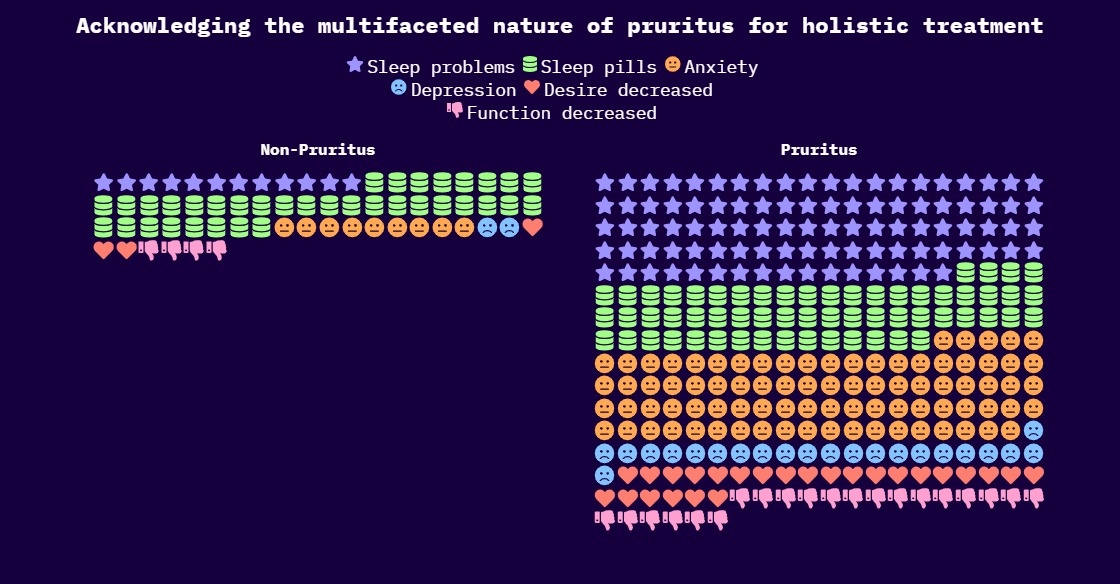
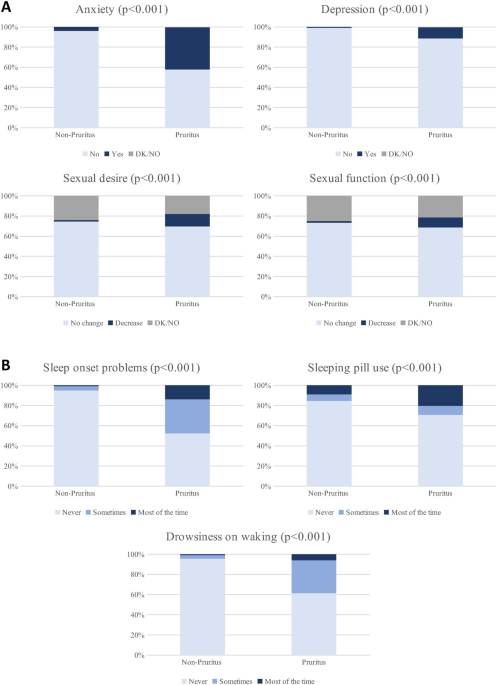
Sleep disturbances are therefore another major consequence of CKD-associated pruritus. Patients experiencing pruritus had greater difficulty falling asleep and often relied on sleeping pills to manage their symptoms, leading to chronic fatigue and daytime drowsiness. These outcomes affect their ability to perform everyday activities and can reduce their overall quality of life.
The debilitating nature of pruritus extends beyond physical discomfort, impacting patients' psychosocial well-being. In addition to sleep disturbances, the study found that CKD-associated pruritus significantly increased the likelihood of higher levels of anxiety and depression. This is linked to the persistent itch-scratch cycle, which can hinder patients' ability to maintain normal work and social activities, potentially leading to social withdrawal and reduced self-esteem.
Last but not least, one of the most striking findings was the impact of CKD-associated pruritus on sexual health, an aspect of the condition that has previously been unexplored. Many patients reported a decrease in sexual desire and difficulties with sexual function. The physical discomfort caused by itching, combined with the emotional strain of living with chronic illness, can lead to a decline in sexual well-being, affecting relationships and overall mental health. These psychological and emotional challenges are often overlooked in clinical settings, yet they are crucial to fully understanding the impact of CKD-associated pruritus on patients.
Embracing a holistic approach to transform patient care
What’s next? Our findings highlight the need for further research on the impact of pruritus and its approach and treatment. Both medical professionals and researchers must give greater attention to this condition in the care of haemodialysis patients. As healthcare providers, it is essential to recognise the multifaceted nature of CKD-associated pruritus and approach treatment holistically, considering not only the physical symptoms but also the psychological challenges faced by patients.
Healthcare providers should make a conscious effort to ask patients about their experiences with pruritus and its impact on their lives. It is crucial to proactively engage in these conversations to reduce the burden of the disease and improve the quality of life for haemodialysis patients.
Follow the Topic
-
Scientific Reports
An open access journal publishing original research from across all areas of the natural sciences, psychology, medicine and engineering.

Related Collections
With Collections, you can get published faster and increase your visibility.
Cancer Prevention and Control
Publishing Model: Hybrid
Deadline: Feb 19, 2027
Healthy Aging
Publishing Model: Open Access
Deadline: Dec 31, 2026


