The impact of anger and age on depression
Published in Behavioural Sciences & Psychology



The foundational principle of traditional Chinese medicine (TCM), known as "anger beyond depression," leverages the interplay of emotions to treat diseases stemming from emotional excess. This theory posits that emotions can promote, inhibit, and influence one another therapeutically. The findings of this study corroborate the ancient Chinese medical practices derived from extensive clinical experience, suggesting that, under specific conditions, expressing anger may effectively treat and alleviate depression and its associated complications, which are often triggered by excessive worry.
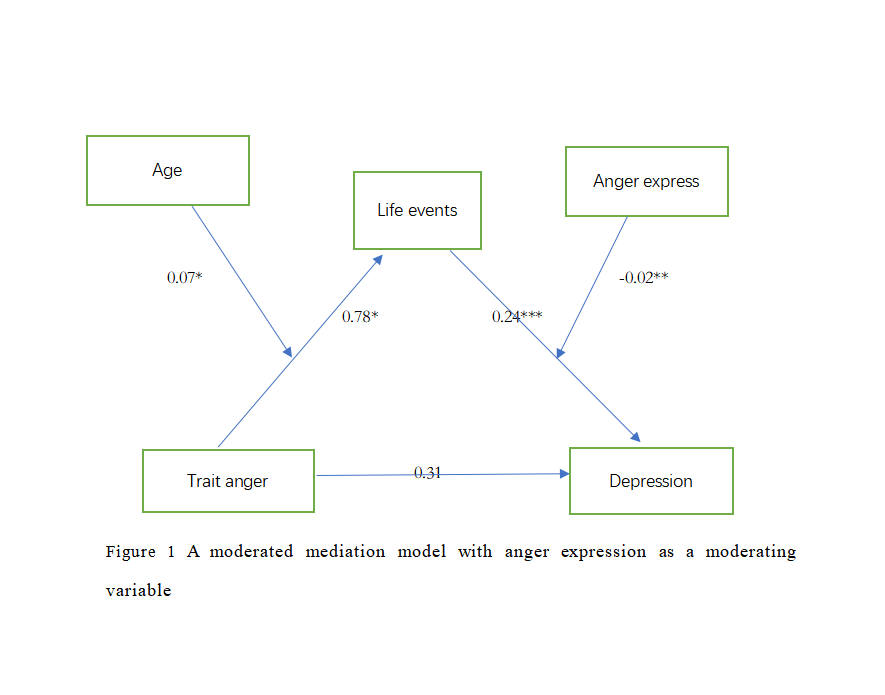
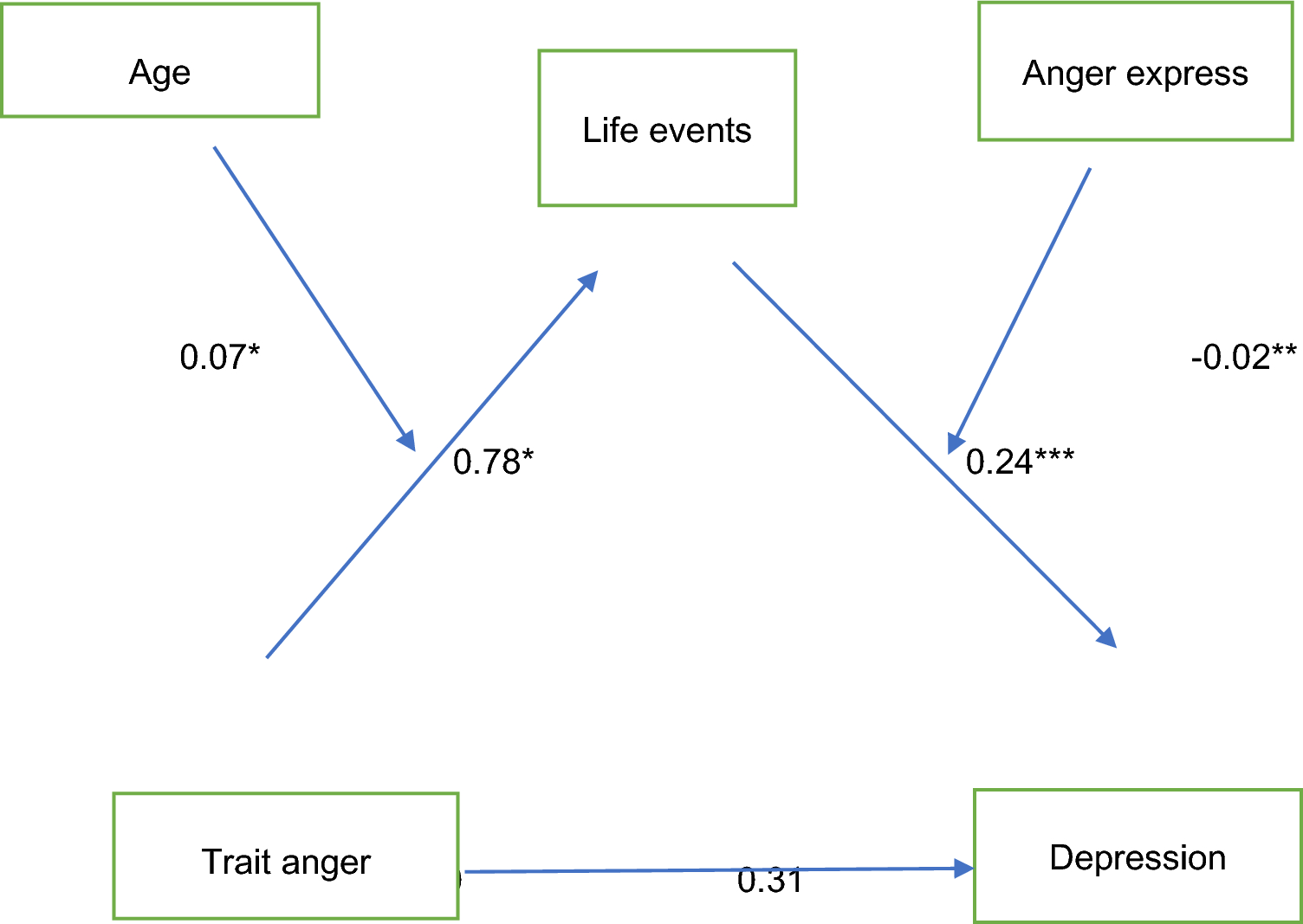
In this study, we observed a significant negative moderating effect of anger expression on depression. As illustrated , when anger expression levels are below the critical threshold of 7.26, there is a significant positive moderating effect on the mediation of depression. This suggests that higher levels of expressed anger exacerbate depression through its interaction with mediating factors. This finding aligns with previous research indicating a positive correlation between anger and depression. Conversely, when anger expression exceeds the critical threshold of 26.41, its moderating effect on depression becomes significantly negative. Greater and more complete expression of anger appears to mitigate depression by influencing the mediating factors, supporting the "catharsis theory" which posits that expressing anger can be therapeutic for depression.
The impact of anger expression on depression seems dependent on both the direction and intensity of its regulation. Thus, it can be inferred that while greater expression of anger may alleviate depression, insufficient expression may aggravate emotional distress. This is particularly notable as the direct effect of anger expression on depression is not significant (β = 0.05, 95% CI = -0.13 to 0.23), indicating no substantial direct influence.
The interaction between anger expression and life events predominantly drives the moderating effect on depression. When anger expression is low, suppressed anger due to inadequate expression may lead to heightened sensitivity to the psychological stress from life events, exacerbating depression. In contrast, high levels of anger expression allow for the venting and channeling of anger, which can mitigate the psychological pressure from life events and subsequently reduce depression.
Inconsistent findings have characterized previous studies examining the relationship between age and depression. Some studies report an increase in depression scores with age, while others indicate a decrease, and yet others find no significant differences. This study aligns with the latter, showing no significant correlation between age and depression in the reference group (r = -0.10, P > 0.05). However, a significant negative correlation was observed between age and trait anger in the same group (r = 0.39***, P < 0.001), suggesting that with age, life experiences may enhance personality and reduce traits such as anger .
In contrast, the control group, consisting of patients with depression, displayed different results. While there was a significant negative correlation between age and life events (r = 0.39, P < 0.05), age did not significantly influence life events directly (β = 0.03; 95% CI = -0.33 to 0.39). However, the interaction between age and trait anger significantly influenced life events (β = 0.07*), indicating that age moderates the impact of this interaction on life events, which in turn affects depression positively.
As age increases, particularly in older adults, the incidence of degenerative diseases, physical decline, and psychological stressors also rises. However, these factors do not necessarily increase the risk of depression. Findings from the control group suggest that healthy individuals may effectively manage depression through emotional regulation, personal growth, and social support. The nature of depression itself is gradual and recurrent; the probability of recurrence increases with age, and early onset predicts a less favorable outcome. Up to 27% of patients may experience chronic depression without recovery.[24] Patients with major depressive disorder (MDD), whether recovered or recovering, are at high risk of relapse due to biological vulnerabilities associated with depression.
These findings underscore the importance of managing the course of depression carefully during diagnosis and treatment to optimize timing and control disease progression. This approach not only alleviates patient suffering but is also crucial for preventing the disease from becoming severe or chronic. Moreover, secondary prevention, including regular health management and mental health education, is essential for patients who have recovered to prevent relapse.
This study investigates the endogenous factors of trait anger and reactive factors of life events in depression, and examines how anger expression and age influences the mechanism of depression.Eighty-nine healthy subjects were randomly selected as the reference group, and 115 outpatients with depression formed the control group. Participants completed the Life Events Scale (Selye, 1969)[25], the STAXI-2 scale, and the Beck Depression Inventory (BDI).
The analysis revealed that trait anger significantly mediates the relationship between life events and depression in the control group, with a total effect confidence interval of 0.46 (95% CI: 0.11, 0.81) and an indirect effect of 0.12, accounting for 26.09% of the relative mediating effect (95% CI: 0.04, 0.29).
I have 26 years of management experience in pharmaceutical manufacturing technology, R&D and marketing. Through the study of traditional Chinese medicine theory and psychology, I specialize in and am interested in exploring the field of TCM psychology and the treatment and intervention of psychosomatic diseases. Especially focusing on the exploration and innovation in the interdisciplinary field of medicine and psychology.I am a practitioner who balances cultivation and scientific research
Follow the Topic
-
Discover Psychology
This is an international, open access journal that publishes research in behavioral sciences and related fields, including health, environment, neuroscience, business, economics, ergonomics, linguistics, and education.

Related Collections
With Collections, you can get published faster and increase your visibility.
Psychological Perspectives on Emerging Technologies for Sustainable Learning and Development
This Collection explores how emerging technologies such as virtual reality (VR), augmented reality (AR), and artificial intelligence (AI) can contribute to sustainable learning and development from a psychological perspective. We welcome research that addresses cognitive, emotional, motivational, and behavioral processes involved in technology-enhanced learning environments. Studies may examine psychological mechanisms underlying learner engagement, digital fatigue, eco-anxiety, self-regulated learning, or the development of 21st-century competencies. In particular, we encourage submissions that investigate how these technologies support inclusive, accessible, and culturally adaptive education aligned with the United Nations Sustainable Development Goals (SDGs). Interdisciplinary and cross-cultural approaches are especially welcome.
Scope of Submissions:
Technology-enhanced Learning and Psychological Engagement
• Effects of immersive VR/AR environments on attention, motivation, and emotion regulation.
• AI-supported scaffolding and its influence on self-regulated learning and cognitive load.
• Learner profiles and personalized learning from a psychological assessment viewpoint.
Cultural and Environmental Psychology in Education
• Psychological responses to eco-friendly technologies in digital learning.
• Cross-cultural studies on attitudes toward digital learning innovations.
• Impact of green design on psychological well-being in learning environments.
Developmental and Vocational Psychology
• Role of digital tools in fostering growth mindset and psychological resilience in vocational education.
• Psychological factors influencing technology acceptance in youth and adult learners.
• Technology and career adaptability: psychological determinants of innovation readiness.
Innovation, Identity, and Digital Behavior
• The role of identity, self-efficacy, and digital agency in entrepreneurial learning.
• Online collaborative behavior and social cognition in maker education.
• Psychological dimensions of digital learning equity and inclusion.
Keywords: Technology-enhanced learning, Motivation and emotion, Self-regulated learning, Cultural psychology, Sustainable education, Digital equity, VR/AR in education, Innovation psychology, SDG-related educational psychology.
This Collection supports and amplifies research related to SDG 4, SDG 9, SDG 10, and SDG 13.
Publishing Model: Open Access
Deadline: Nov 30, 2026
Bullying, Cyberbullying, and Emotions: Improving Well-Being
Previous research has highlighted the importance of improving the quality of life and well-being of those directly involved in addressing bullying and cyberbullying. However, further theoretical frameworks are needed to advance the study of emotions, strengths, forgiveness, resilience, and related topics.
Furthermore, research is needed to further our understanding of the role of emotional factors in the prevention and intervention of bullying and cyberbullying. Additionally, studies focused on developing and validating assessment tools to identify the roles involved, taking into account the diversity of students at all educational levels, remain essential.
Undoubtedly, studies focused on understanding the roles of families and teachers are of particular importance in order to establish the necessary foundations for implementing educational programs that contribute to achieving the Sustainable Development Goals (SDGs 3, 4, 5, and 16). This monograph is open to receiving research studies through systematic reviews, meta-analyses, empirical studies, intervention proposals, etc.
Keywords: bullying, cyberbullying, coexistence, emotions, wellbeing, quality of life, quality education, health.
This Collection supports and amplifies research related to SDG 3, SDG 4, SDG 5, and SDG 16.
Publishing Model: Open Access
Deadline: Nov 02, 2026