ThinkTank Cafezinho: How a research group shaped its leader
Published in Cancer and Biomedical Research




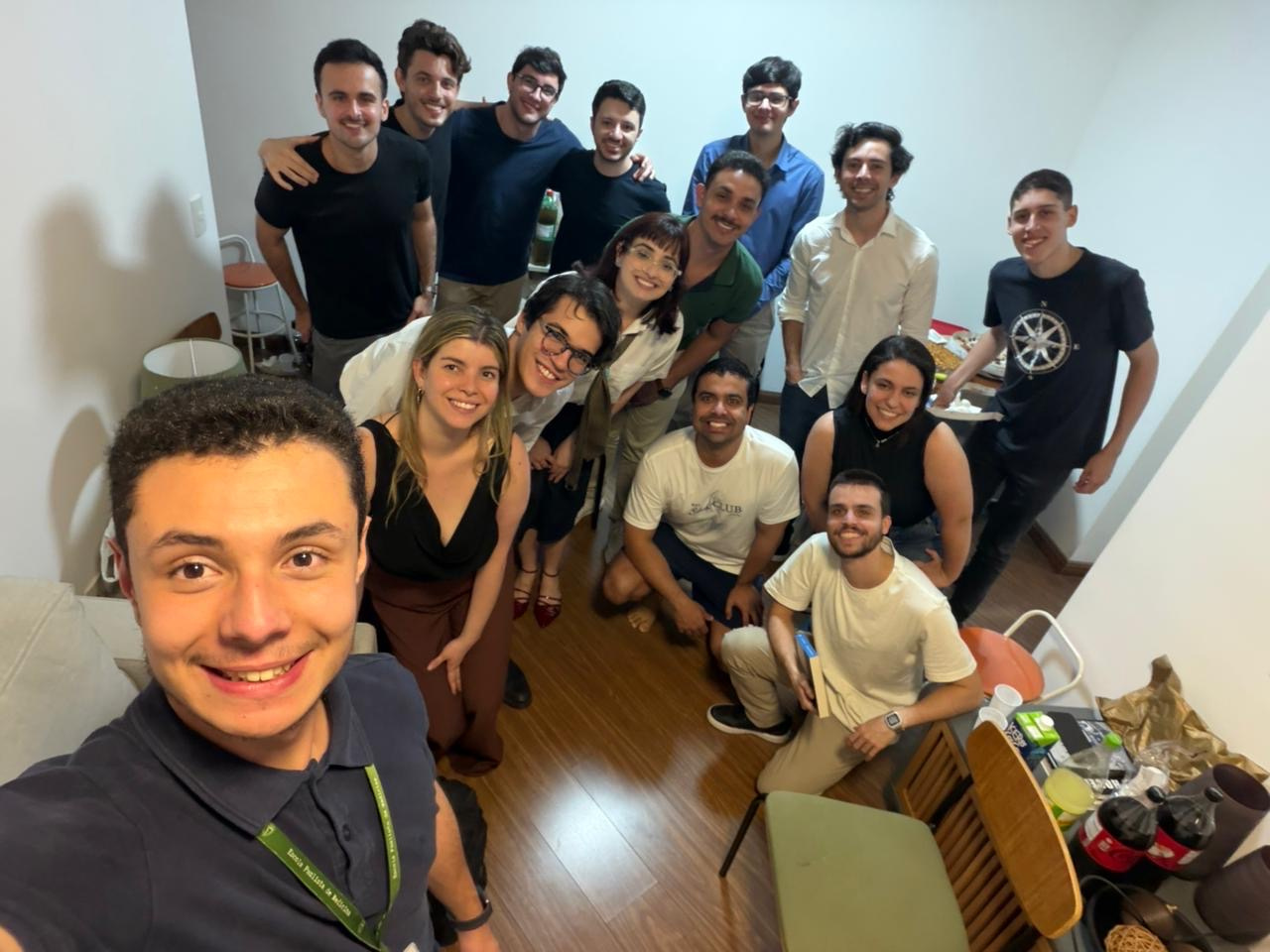
Last week, my research group and I gathered at my house to eat pizza and celebrate the approval of a grant proposal. At the end of the evening, we decided to take a picture to mark the occasion. Looking at that photograph, I had an insight that, even after years of leading the group, I had never fully realized before: research groups are not shaped only by their mentors. Over time, they also shape the people who lead them. In that moment, I realized that ThinkTank Cafezinho (a name affectionately chosen by the students, meaning "little coffee" in Portuguese) reflected important parts of my scientific journey, but had also profoundly transformed the way I saw myself.
A childhood encounter with cancer
My research path was chosen early in life. When I was nine years old, my grandfather was diagnosed with metastatic pharyngeal cancer. He had been living independently well into his seventies, but because of his cancer treatment, he had to move into our home. His illness brought me into intimate contact not only with my grandfather's suffering but also with my family's suffering. They avoided even saying the word "cancer." There were many occasions when he became critically ill, and I had to accompany him to the emergency department, whether because of the cancer itself or its treatment. It was during that time that I developed a profound sense of purpose, realizing that someone would need to stop this disease and the harm it caused both to families like mine and to humanity as a whole. At that moment, I understood that I would find happiness in becoming a scientist searching for a cure for cancer.
Bridging the laboratory and the clinic
Throughout my training, I moved between the laboratory and the clinic, trying to bridge those two worlds. I was intentional about aligning research and clinical practice, and cancer served as a unifying platform. By the end of my training, I realized I had become fluent in both languages: the scientific and the clinical.
Shortly after completing my postdoctoral training, I was selected for a faculty position in the Department of Medicine at the Federal University of São Paulo. From the beginning, I was challenged to build a research group and create an innovative research line. To me, the mission felt natural: why not study oncologic emergencies? That was how my research group was born, gradually taking shape over time.
The birth of ThinkTank Cafezinho
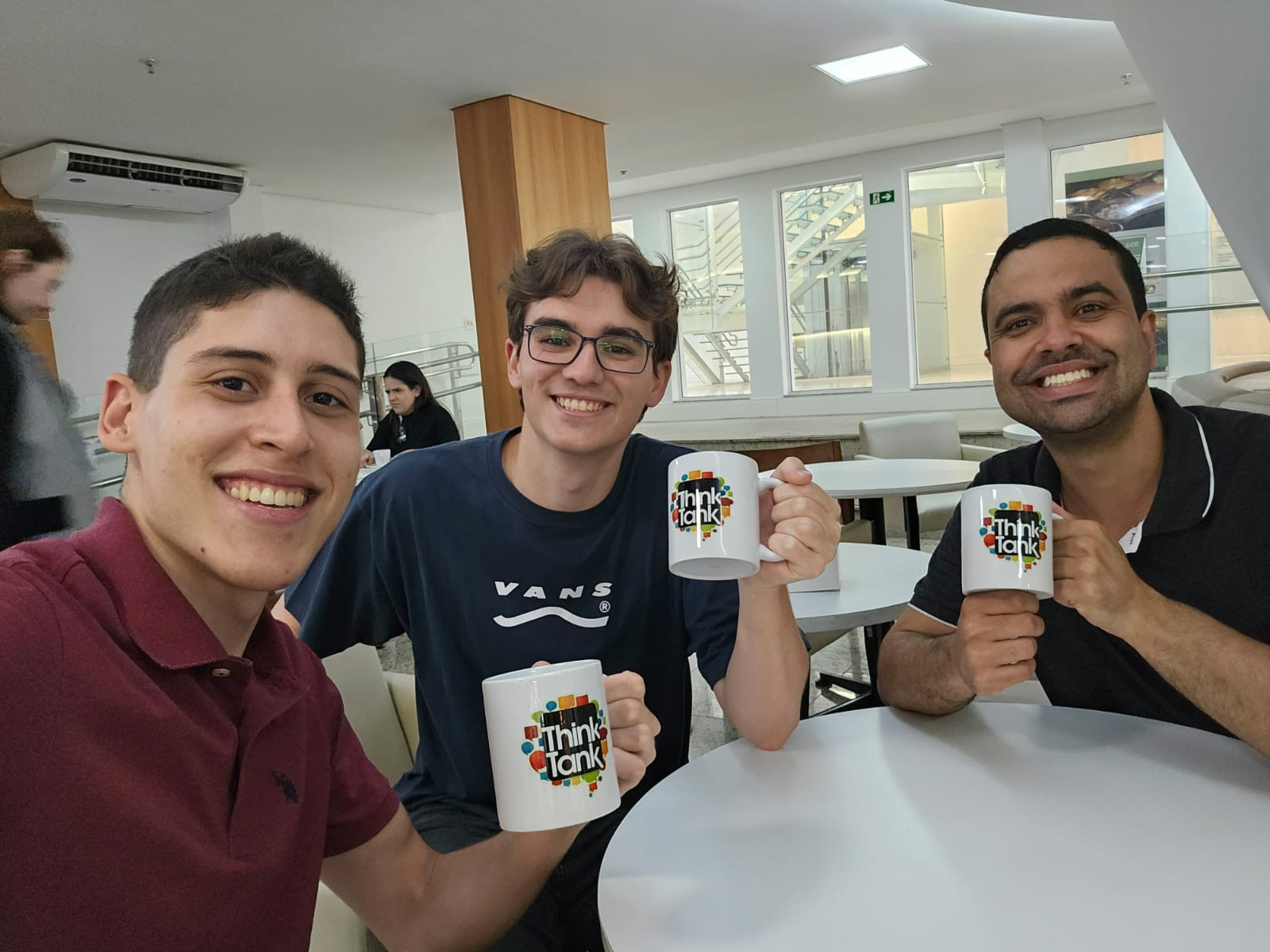
In many ways, the story of the group closely mirrors my own professional and personal story. The group began spontaneously, bringing together undergraduate and doctoral students, all young people full of energy and purpose who wanted to change the story of cancer. In the beginning, we met simply to exchange ideas, and we did it in the best possible way: over small cups of coffee. Because those meetings were dedicated to brainstorming, the students themselves named the group ThinkTank Cafezinho. It is a charming name that reflects the relaxed, irreverent, and spontaneous spirit of my research group.
Similarities and differences within the group
Within the group, students are at different stages of training. Some are on the PhD path, others are MD students, and some are pursuing MD-PhD training. Although each student has unique traits and ways of thinking, all of them share a sense of purpose and a desire to improve the lives of people with cancer. Some have a sense of humor very similar to mine. Others think and interpret scientific evidence in ways that strongly resemble my own. Yet all of them are deeply committed and see science as a bridge to alleviating the suffering caused by cancer. But I often wonder whether these similarities are the cause or the consequence of our connection. Did they gravitate toward me because they identified with my characteristics, or did they become this way after walking alongside me?
Honestly, I cannot determine which came first. What I do know is that we grow precisely because we are similar in some ways and profoundly different in others. Despite our many shared values, my students and I complement one another through our differences, creating a synergistic learning ecosystem strengthened by diversity of thought.
What the group has given back to me
That is ThinkTank Cafezinho, now a meaningful part of my academic life. Living alongside my students and learning from them has become a deeply cathartic experience that has greatly expanded my self-understanding.
Today, I am happier because of ThinkTank Cafezinho. Not only because we work together in the fight against cancer, which has always been my life's purpose, but also because being with them reinforces aspects of my identity that I could neither see nor experience on my own. Learning from the unique characteristics of each of them makes me stronger both in science and in life. From this environment emerge papers, as well as joyful conversations, collaborations, and genuine friendships. All of this, of course, is accompanied by plenty of coffee.
A photograph that revealed continuity
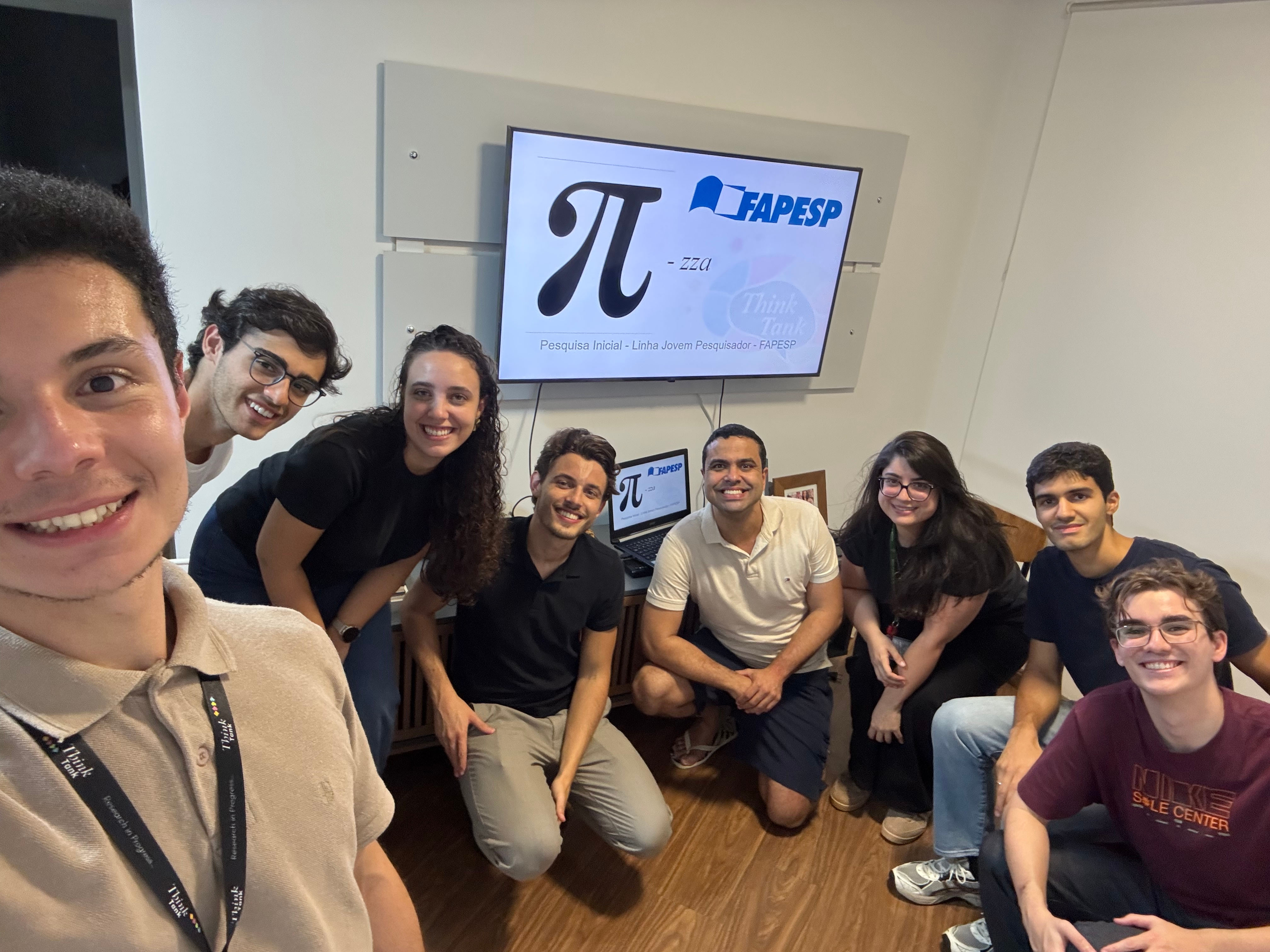
That night, looking at the photograph of the group gathered around pizza boxes and coffee cups, I realized that ThinkTank Cafezinho was not merely a research group. It was also a place where important parts of my own story had found continuity in the next generation.
References
- ThinkTank Cafezinho – Official website. https://thinktank.unifesp.br
- Recent publications from the group:
- doi: 10.1038/s41574-025-01173-1
- doi: 10.3322/caac.70086
- doi: 10.1097/CCO.0000000000001142