Transforming HIV Research in Sub-Saharan Africa: The Crucial Role of Technology Development and Preclinical Infrastructure
Published in Microbiology and Biomedical Research
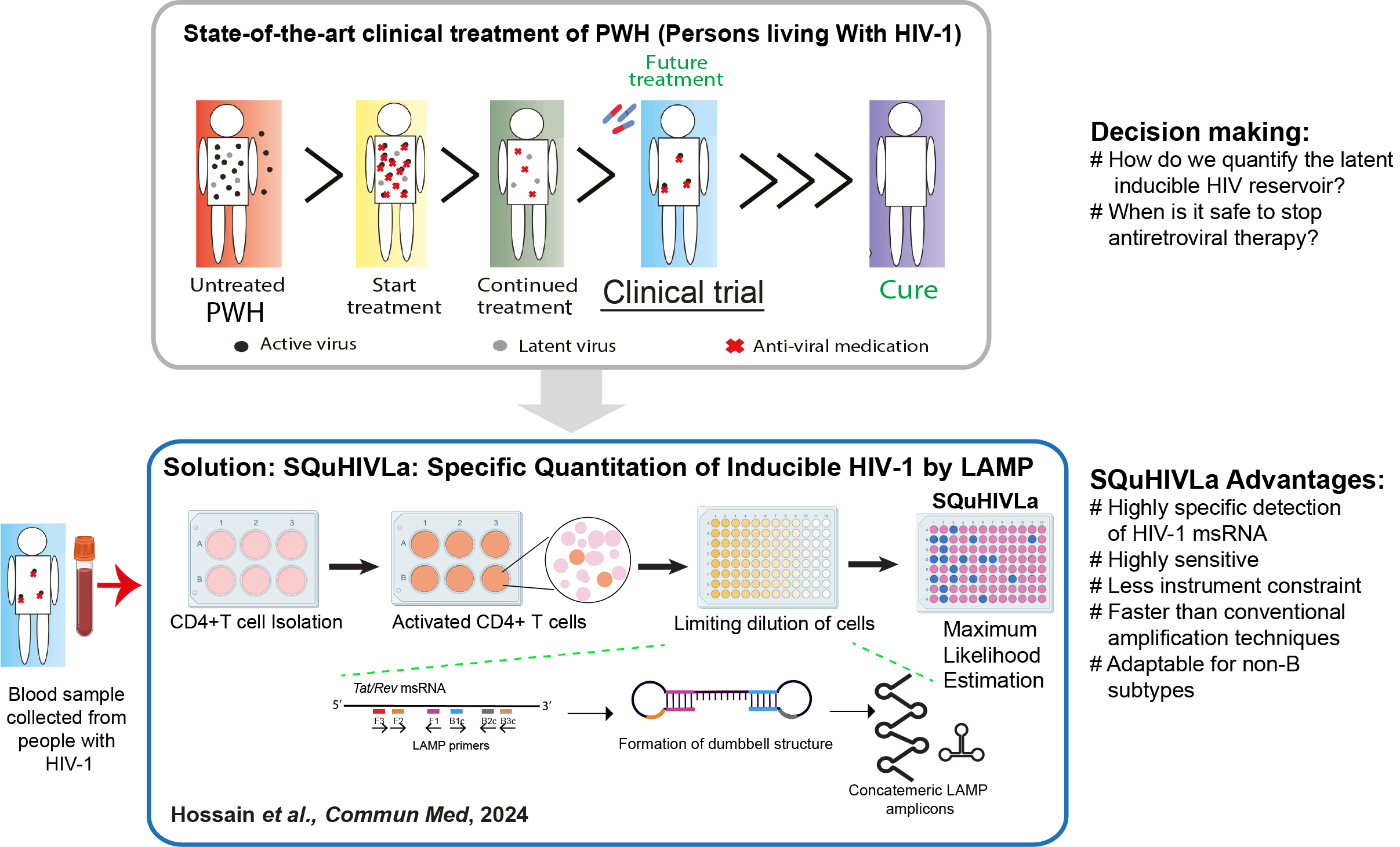

In the ongoing battle against HIV, advancements in technology and infrastructure play pivotal roles in transforming research and clinical outcomes. Our recent study on the development of a specific quantification assay for inducible HIV-1 reservoirs highlights the importance of focusing technological advancements on non-B subtypes of HIV and developing robust preclinical infrastructure in sub-Saharan Africa to support and enhance clinical studies. This region bears most of the global HIV burden, making these developments not just beneficial but essential.
Motivation Behind the Study: Creating Scalable Solutions
The driving force behind this study was the need to develop a scalable and specific assay that could be easily implemented in sub-Saharan Africa. Traditional assays used to quantify HIV reservoirs are often complex, expensive, and require sophisticated laboratory infrastructure that is scarce in resource-limited settings. We aimed to develop an assay that not only meets high scientific standards but is also practical and accessible for widespread use in the regions most affected by HIV.
The result is the Specific Quantification of Inducible HIV-1 Reservoirs by RT-LAMP (SQuHIVLa) assay, which offers a simpler and more cost-effective method for measuring HIV-1 reservoirs. This innovation is crucial for advancing HIV research and treatment in sub-Saharan Africa and other regions where the epidemic continues to pose a significant public health challenge.
Beyond the B: Focusing on Non-B Subtypes
Historically, HIV research and therapeutic development have predominantly focused on the B subtype of HIV, which is most prevalent in North America and Europe. However, non-B subtypes account for more than 80% of all infections globally, particularly in sub-Saharan Africa, where subtypes A, C, and D are more common. This disproportionate focus has led to a gap in the effectiveness of curative interventions for populations infected with non-B subtypes.
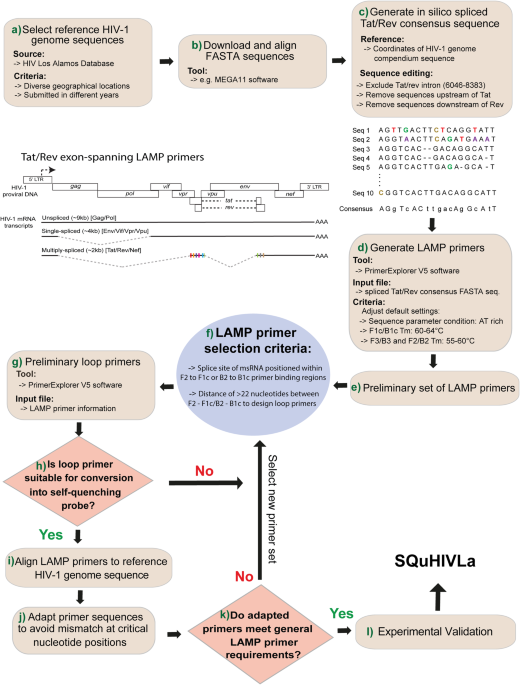
The SQuHIVLa assay developed in this study is designed to be effective across various HIV subtypes, including the non-B subtypes prevalent in sub-Saharan Africa, by modifying and validating the primer/probe sets accordingly. The assay has been specifically adapted for subtype C, the most prevalent subtype globally and we have provided a detailed step-by-step guideline that can be followed to generate LAMP primer sets for other non-B subtypes as well. By prioritizing these technological advancements, researchers can develop more effective treatment and prevention strategies, thereby improving health outcomes in regions most affected by the epidemic.
Building a Preclinical Research Hub in Sub-Saharan Africa
Equally important is the establishment of a comprehensive preclinical research infrastructure within sub-Saharan Africa. Preclinical studies are a crucial step in the development of new curative interventions before proceeding to human trials. Currently, much of this research is conducted in high-income countries, which can delay the application of findings to populations in low-income regions.
The study underscores the need for local preclinical research facilities to test and validate the SQuHIVLa assay and other innovations. By developing local preclinical research capabilities, sub-Saharan Africa can accelerate the pace of HIV research and ensure that new interventions are quickly adapted to the local context. This localized infrastructure would facilitate the rapid evaluation of treatment strategies on non-B subtypes, addressing the specific needs of the population. Moreover, it would empower African scientists and institutions, fostering a self-sustaining research ecosystem.
Conclusion: A Call to Action
The battle against HIV in sub-Saharan Africa requires a dual focus on technology development for non-B subtypes and the establishment of robust preclinical research infrastructure. By prioritizing these areas, the global health community can address the specific needs of populations most affected by the epidemic, leading to more effective treatments and prevention strategies.
Investing in these areas is not just a scientific imperative but also a moral one. It is a commitment to equity in global health, ensuring that advancements in HIV research benefit all populations, regardless of where they live. As we move forward, let us advocate for these efforts and work together to transform HIV research and care in sub-Saharan Africa.

Follow the Topic
-
Communications Medicine
A selective open access journal from Nature Portfolio publishing high-quality research, reviews and commentary across all clinical, translational, and public health research fields.

Related Collections
With Collections, you can get published faster and increase your visibility.
Tumor Microenvironment Crosstalk and Therapeutic Implications
Publishing Model: Hybrid
Deadline: Nov 02, 2026
Diagnosis and Care of Sepsis
Publishing Model: Open Access
Deadline: Oct 27, 2026