Unveiling the Secrets of Longevity in India
Published in Social Sciences and Genetics & Genomics




Explore the Research

 Nature
Genetic variants associated with longevity in long-living Indians - npj Aging
npj Aging - Genetic variants associated with longevity in long-living Indians
Have you ever wondered why some people seem to live extraordinarily long lives? A few years ago, we met an Indian family with four siblings, all over 90, thanks to an introduction from our friend, Jignesh Bhate. This remarkable encounter sparked our curiosity about longevity, especially among Indians. We realized that many of us at Mapmygenome knew someone who had lived well into their 90s or even 100s.
Intrigued, we decided to investigate. We started by looking at our own database at Mapmygenome, but we didn't have enough data to conduct a proper study. Then, during a trip to Ahmedabad, I met the renowned researcher Professor Anil Gupta. His team had already published a book on Indians who lived past 90 – what a fantastic resource! We decided to collaborate and expand the research.
To gather even more data, we launched a campaign called #sausaal (meaning "100 years" in Hindi). We even found a yoga guru who was 126 years old and still going strong!
The Genetic Link to Longevity
Our goal was to identify the genetic factors that contribute to long life in India. After analyzing the data, we made some fascinating discoveries:
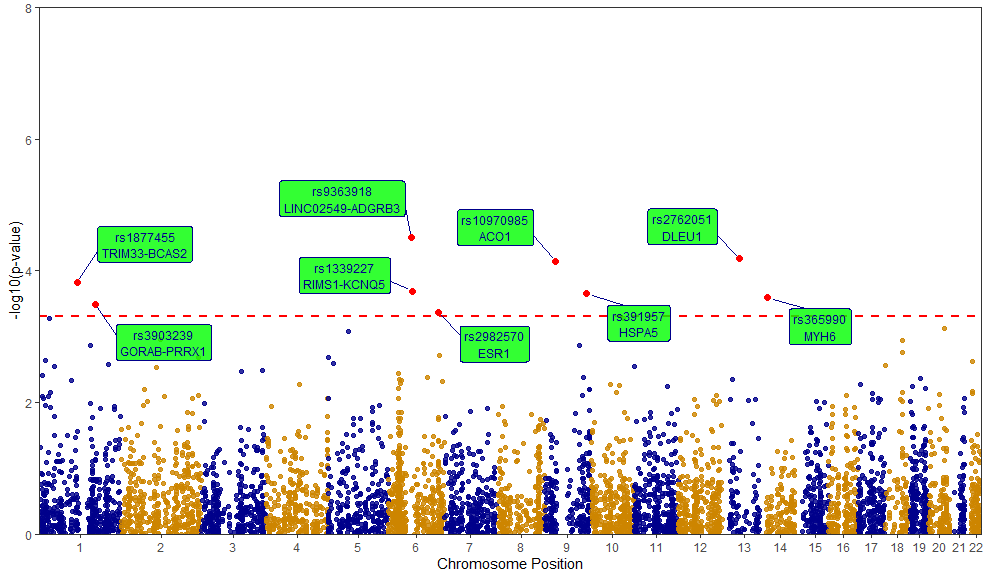
- Slower Heart Rate: People with genes associated with a slower heart rate tended to live longer. This makes sense, as a lower resting heart rate reduces stress on the cardiovascular system.
- Shorter Height: Surprisingly, we found that shorter individuals were often more resistant to chronic diseases, contributing to their longevity.
- Reduced Risk of Certain Diseases: The long-lived individuals in our study had a lower frequency of genetic variants linked to conditions like schizophrenia, atrial fibrillation, and osteoporosis.
-
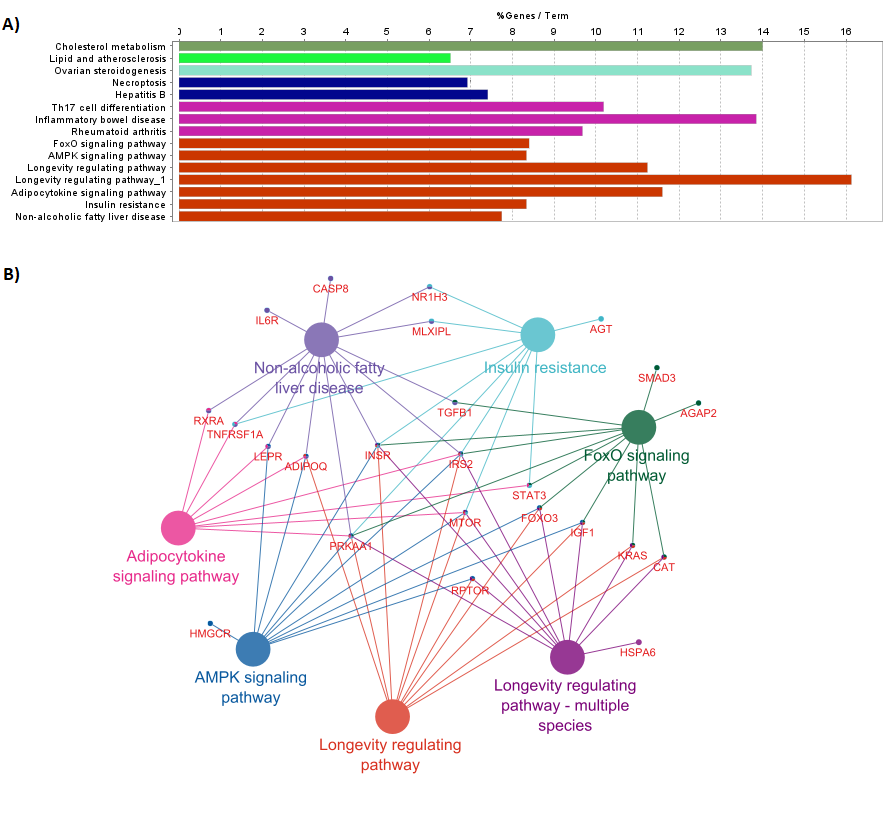
FOXO3A Gene: We found a specific gene variant (FOXO3A), previously associated with longevity in other populations, to be significant in our Indian study group as well. This gene plays a vital role in cell function, metabolism, and stress response.
Caption
A Pioneering Study
Our research is groundbreaking as it's the first genetic study on longevity specifically focused on the Indian population, a group often underrepresented in genetic research. We believe our findings will advance the understanding of Indian genetics and help researchers develop strategies for healthy aging and increased lifespan.
Read the full paper at https://www.nature.com/articles/s41514-024-00179-9
Follow the Topic
-
npj Aging
The mission of this journal is to provide the community with a platform to publish new high-profile insights into all aspects of aging.

Related Collections
With Collections, you can get published faster and increase your visibility.
Sex Differences in Aging Research
Publishing Model: Open Access
Deadline: Dec 21, 2026
Gerophysics
Publishing Model: Open Access
Deadline: Nov 30, 2026