Unveiling the soil carbon sequestration potential of nitrogen-fixing plants
Published in Earth & Environment

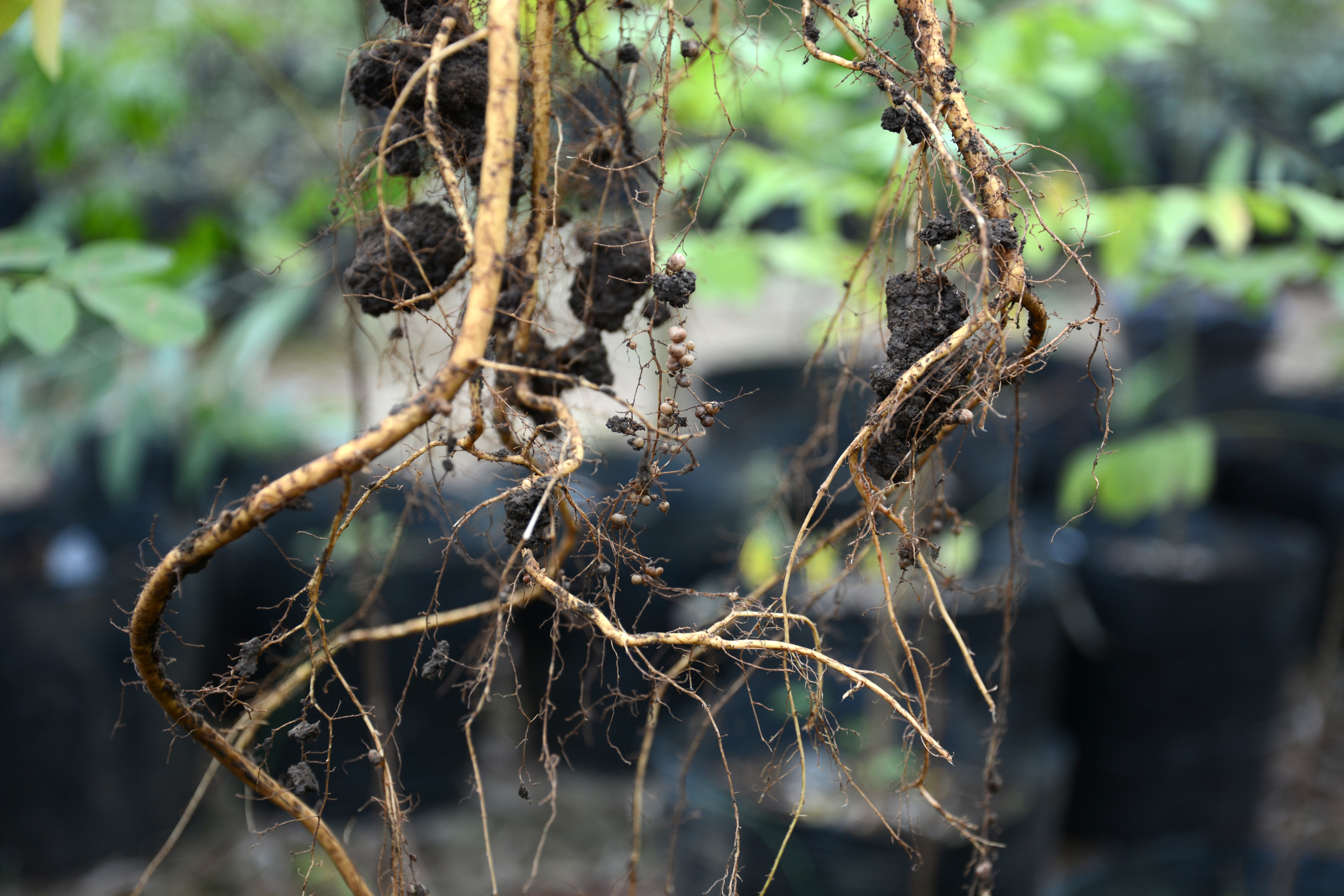



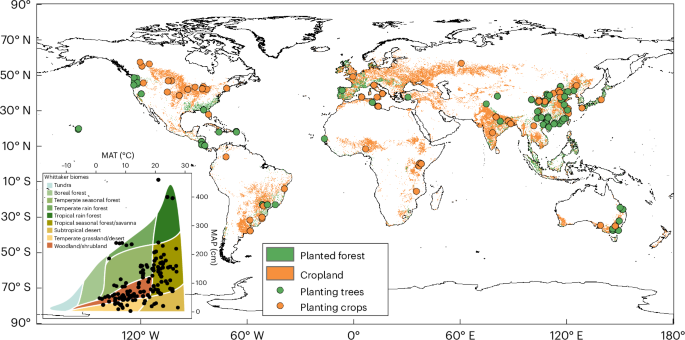

Nitrogen (N)-fixing plants are everywhere in our live—sometimes along roadside greenbelts, sometimes in lawns, on farms, and more often in places we rarely see, such as forests. These plants have a secret weapon: their symbiosis with N-fixing microbes allows them to capture atmospheric N2 and thrive even on nutrient-poor soils. Because they are so widespread, their annual contribution of N to ecosystems is substantial—about 81.9 million tons globally (Reis Ely et al., 2025, Nature). Yet, until now, it has remained unclear how much this fixed N can enhance soil organic carbon (SOC) stocks.
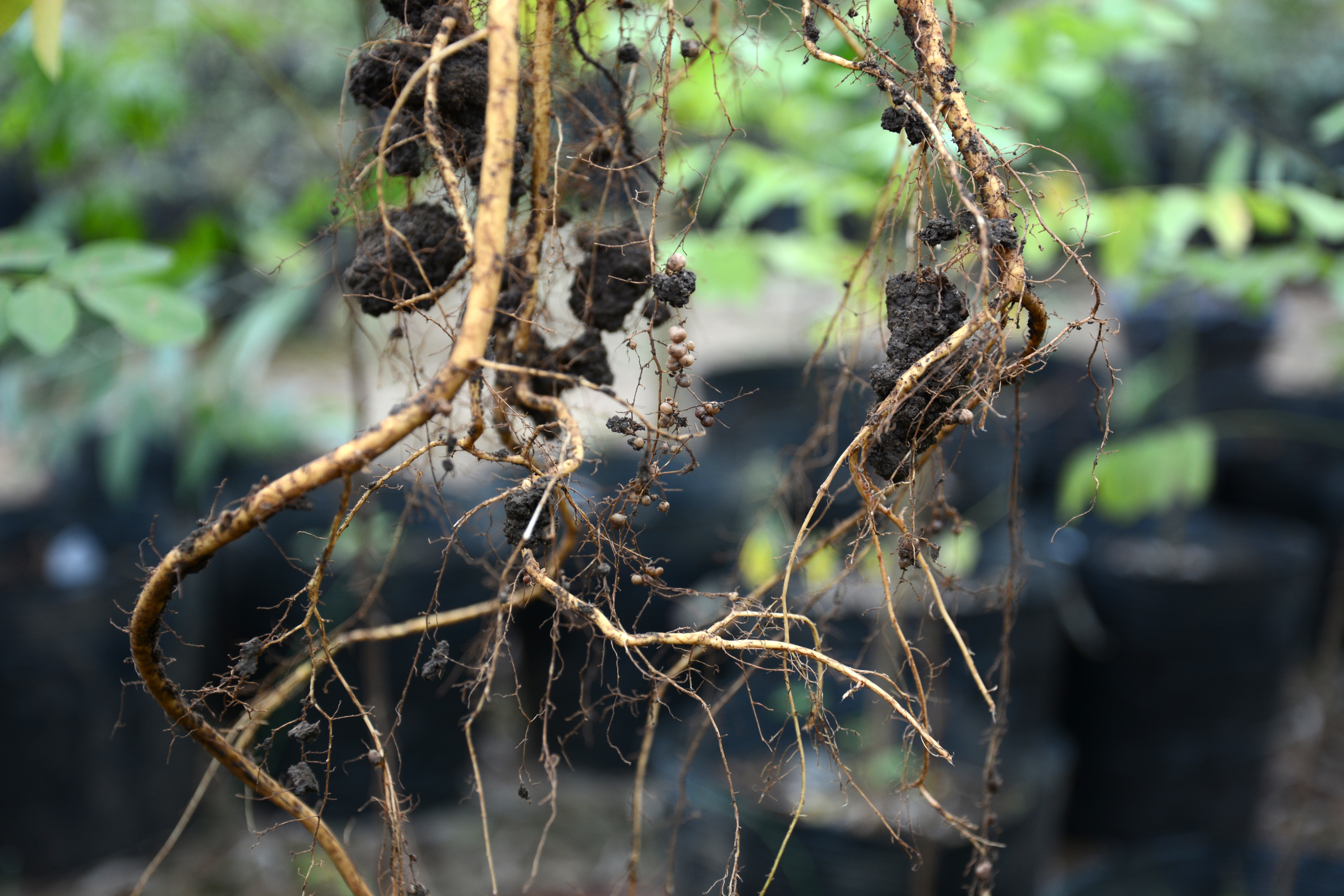
In our study, we compared SOC stocks under planting N-fixing versus non-N-fixing plants at a global scale, aiming to answer four key questions: Can N-fixing plants be planted to increase SOC? Where should they be planted? How should they be planted? And what is their potential? Our findings provide clear answers: compared with non-N-fixing plants, planting N-fixing plants increases SOC stocks by about 16%, with particularly pronounced effects in relatively warm and dry regions, especially within the tropics. N-fixing trees contribute more SOC than N-fixing crops, and long-term planting leads to greater SOC accumulation than short-term planting. Finally, we estimate that integrating N-fixing plants into global afforestation, agriculture, and restoration of marginal lands could sequester an additional 0.29–0.75 billion tons of SOC annually. These findings highlight the considerable potential of expanding N-fixing plants as a nature-based solution to mitigate climate change.
Although the paper may read smoothly now, the journey from data collection to final publication took four years—spanning my entire PhD training. Along the way, I continuously pushed myself to learn new techniques and data-analysis approaches to strengthen the work. The process was full of challenges, from messy datasets to complex analyses, but it was also incredibly rewarding. This paper not only witnessed my transformation from a PhD student into a PhD graduate but also opened up a new research direction for me. Moving forward, I will continue to explore the role of N-fixing plants in mitigating climate change.
Follow the Topic
-
Nature Ecology & Evolution
This journal is interested in the full spectrum of ecological and evolutionary biology, encompassing approaches at the molecular, organismal, population, community and ecosystem levels, as well as relevant parts of the social sciences.

Related Collections
With Collections, you can get published faster and increase your visibility.
Biodiversity and ecosystem functioning of global peatlands
Publishing Model: Hybrid
Deadline: Jan 31, 2027
Understanding species redistributions under global climate change
Publishing Model: Hybrid
Deadline: Dec 31, 2026




Please sign in or register for FREE
If you are a registered user on Research Communities by Springer Nature, please sign in