What living in an orange grove has taught me about research
Published in Social Sciences, Agricultural & Food Science, and Philosophy & Religion
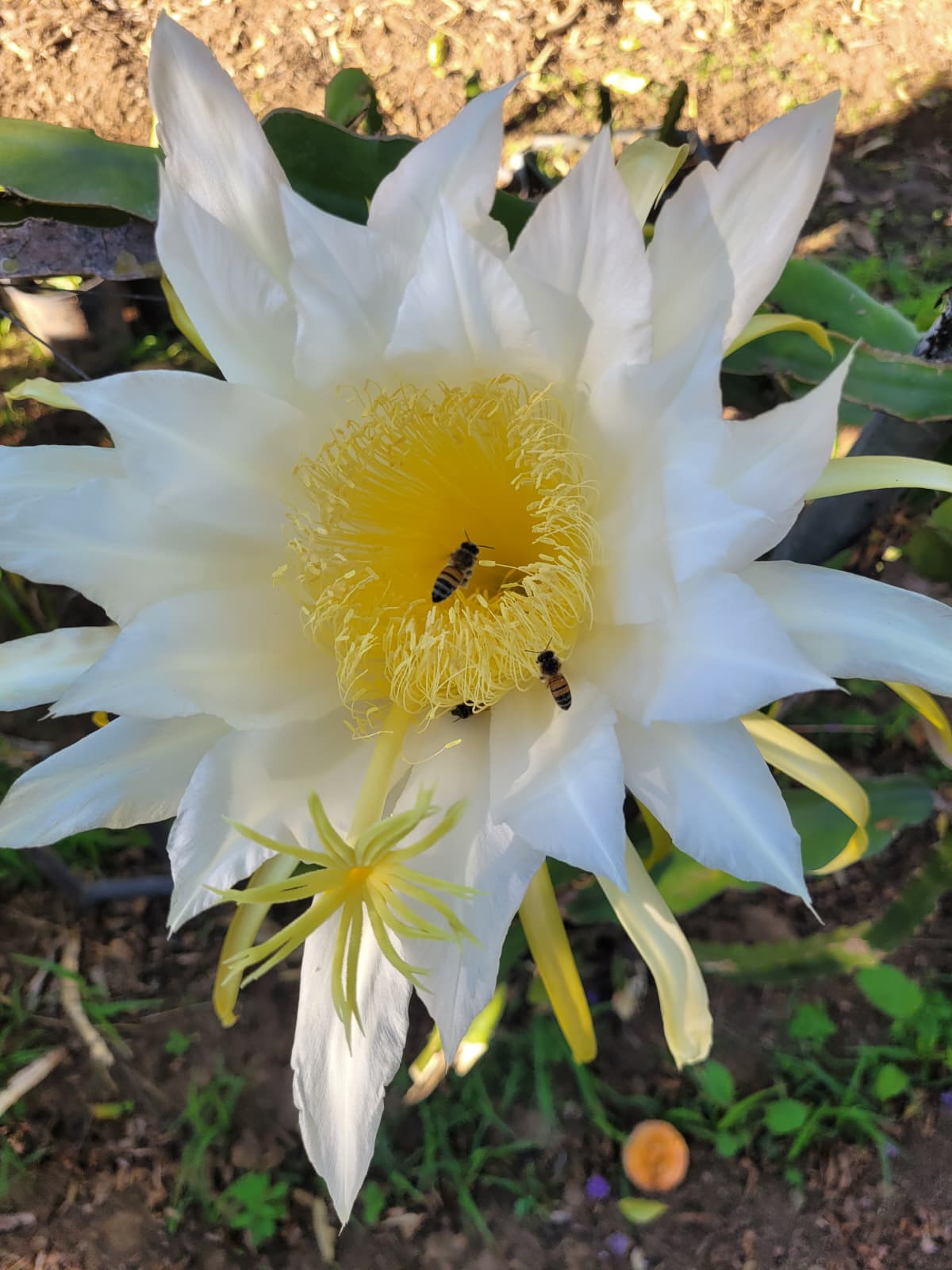
When people ask me about my life as a researcher, they don't usually expect me to talk about fruit trees, chickens, weeds, coyotes, or irrigation. When they ask me what I have been up to, they are surprised when I first tell them about my excitement about harvesting honey or planting an avocado tree or sharing apples rather than discussing grants or research papers.
Usually, scientists don’t know how to respond to that. But it’s a friendly reminder that we are more than our research. Over the past few years, farming has become an important part of my life—and, surprisingly, it has also changed the way I think about my work in academia. At first, I didn't see the connection, since research happens in universities or with communities, and farming happens outside often with a shovel and dirt under your fingernails. But the more I do outside, the more I realize that the two worlds have much in common. For instance, both are about cultivating something unpredictable.
Learning to Be Patient
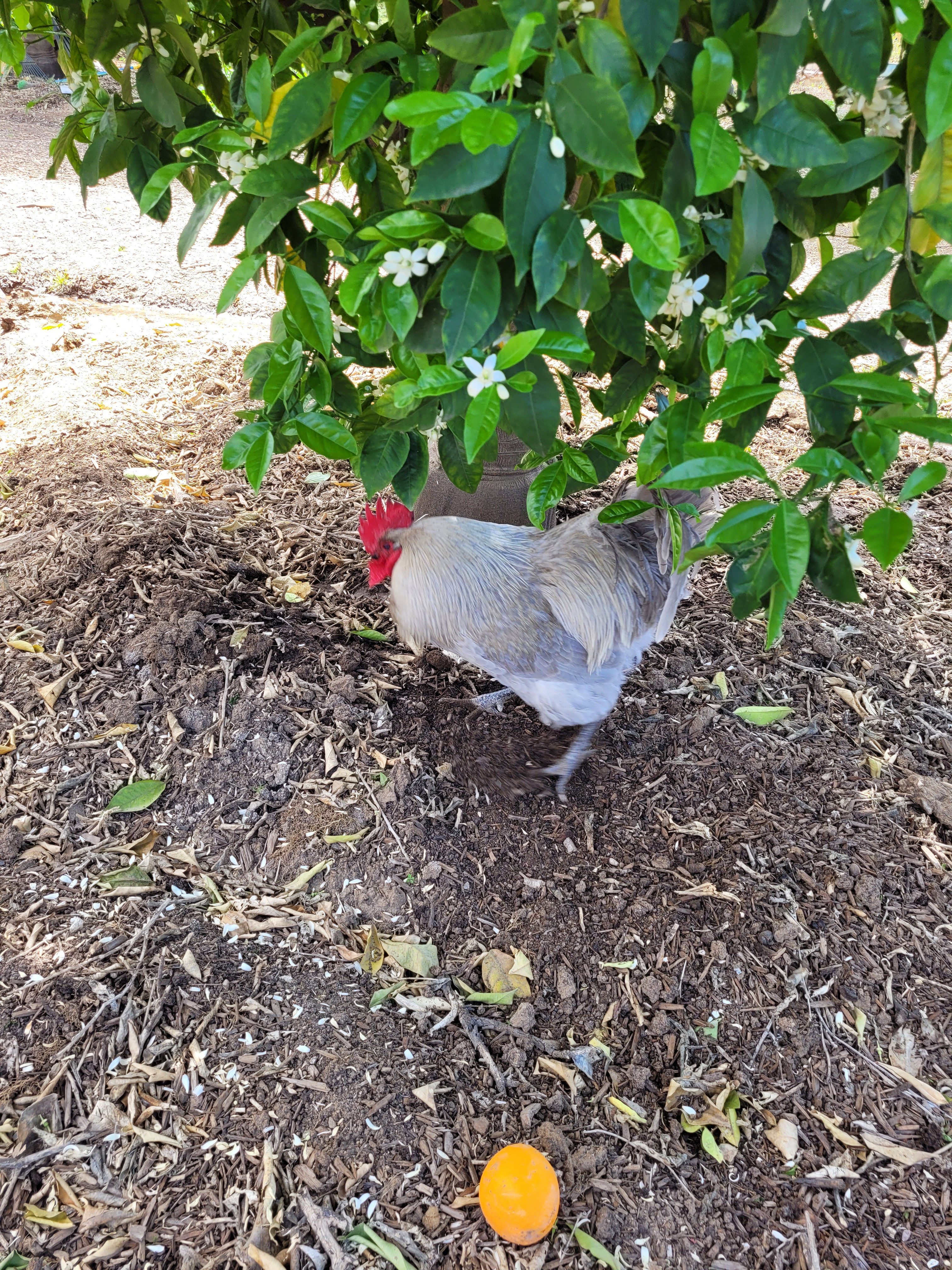
When I started farming, I quickly learned that nature doesn't care about my schedule. I might have a specific plan for the day, Wake up. Exercise. Eat. Then water the trees, pull weeds, prune a few branches, and check on the chickens. But nature has its own agenda. A tree needs water when it needs water. Fruit ripens when it ripens. Chickens need care when they need it. Weeds appear whether I have time to remove them or not, and gophers dig where they want to dig, sometimes destroying what I am trying to build.
Research is similar. In academia, we work best with schedules and deadlines. We create timelines and plans for study protocols and grants. Then we want to publish and present our results and build on what we have learned.
But setting timelines doesn’t make them a reality. Some research questions take years to develop and answer. Some studies don't produce the results we expected. A manuscript may require multiple revisions or be under review for months or years without any eyes on the words. A grant may be rejected or terminated. A promising research idea may lead somewhere completely unexpected.
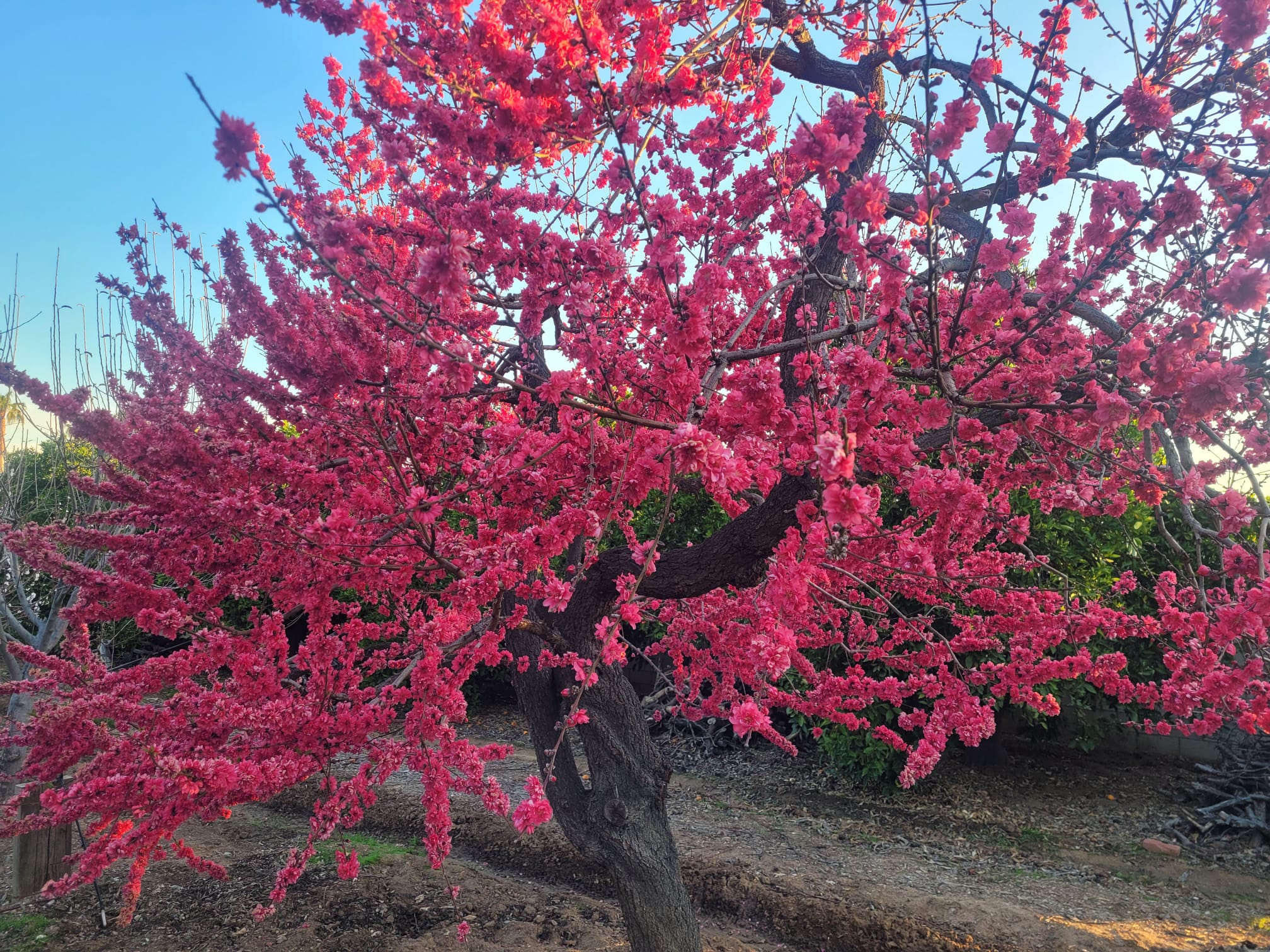
Farming has taught me to be more comfortable with that uncertainty. I can provide a tree with water, nutrients, sunlight, and care. I can try to protect it from pests and prune it when necessary. But I can't command it to grow and thrive. I can only try to create the conditions in which growth is possible.
Research is similar. I can ask an important question. I can try and thoughtfully design a study. I can work with talented colleagues and engage communities to understand what topics are important to them. I can mentor students and create opportunities for engagement. But ultimately, I have to sit back and see what happens.
Creating the Conditions for Growth
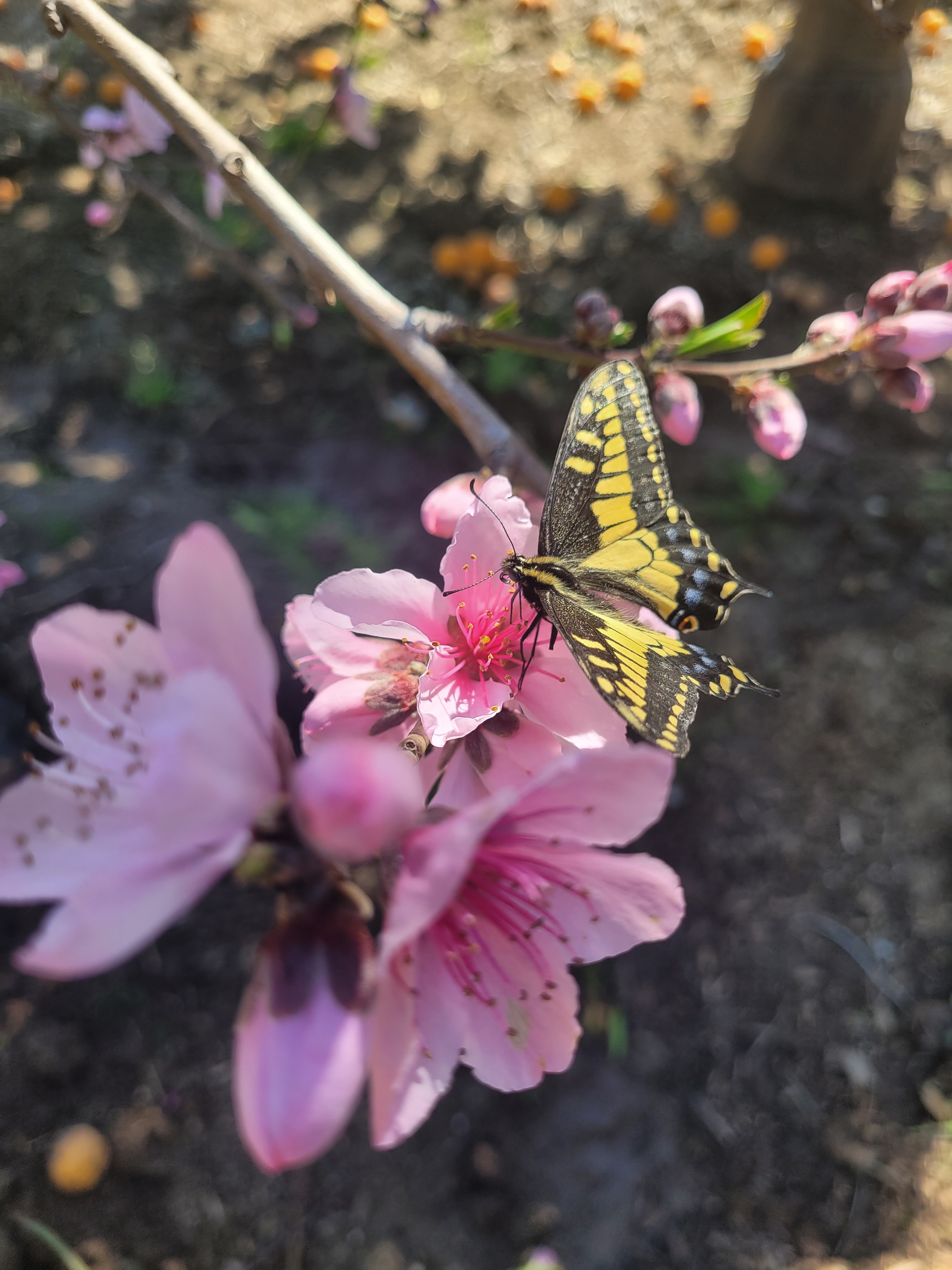
One of the things I love about farming is that I am constantly observing change. A plant that wasn't there yesterday suddenly sprouts and appears in the garden. A tree suddenly begins producing new growth. An insect shows up and starts eating leaves. A branch grows in an unexpected direction. A seedling survives when I thought it wouldn't, perhaps in an inconvenient place like a walkway or near another tree. Sometimes I have to make a decision: Should I remove or transplant it, or should I leave it alone and see what happens?
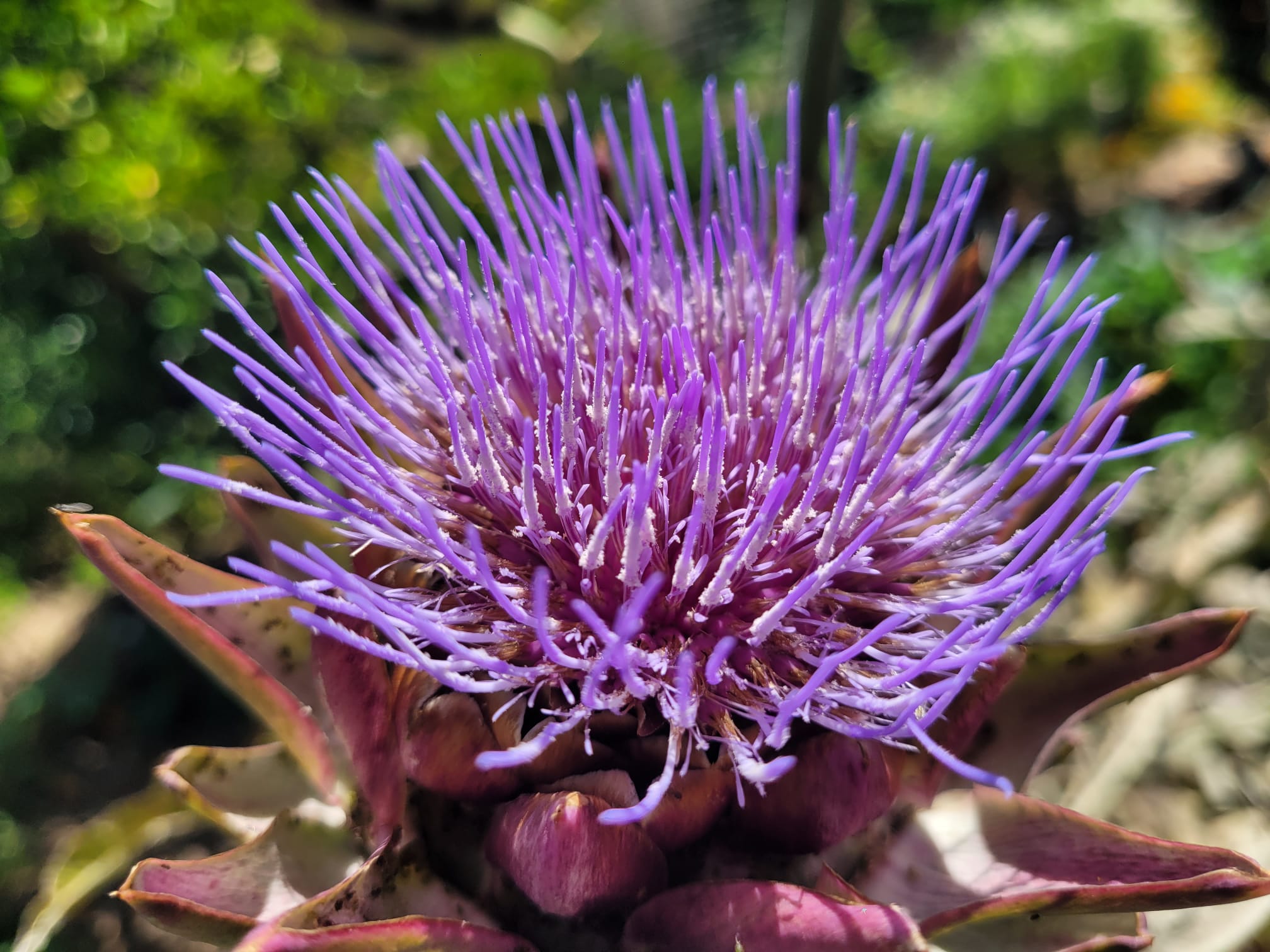
That question is a good metaphor for research. We spend a tremendous amount of time trying to identify the right questions and predict what will happen. But some of the most interesting discoveries come from paying attention to things we didn't expect. Research requires that same willingness to pause and look more closely. An unexpected result isn't necessarily a failure. Sometimes it's the beginning of a better question.
The farm has reminded me that growth doesn't always happen according to plan. Sometimes our job isn't to force the outcome but to recognize something valuable when it begins to emerge. 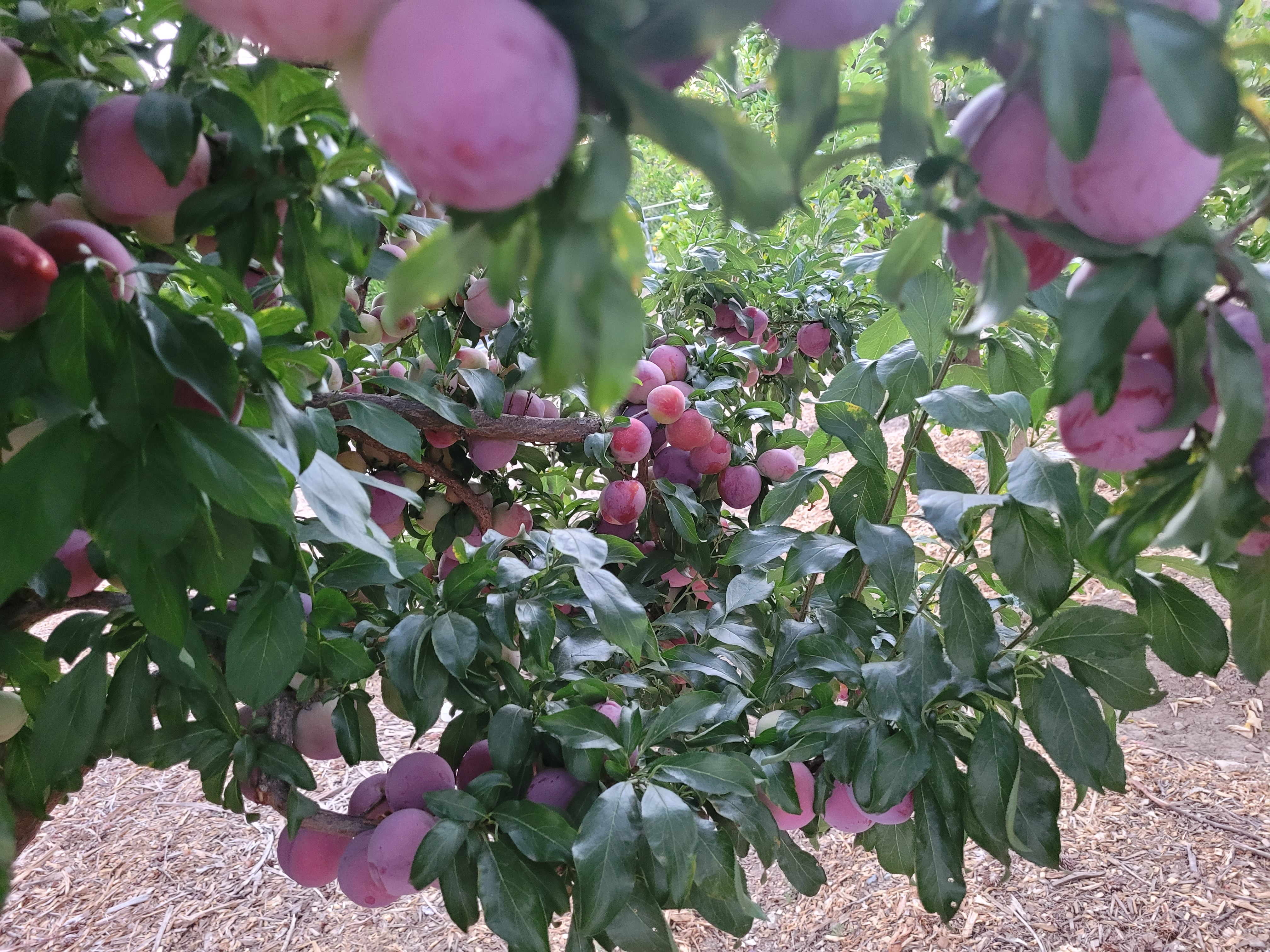
The best ideas emerge when I am away from my computer
There is another unexpected benefit to farming: it gives me time to think freely without screens. When I'm outside working, my hands may be occupied, but my mind is free. While I'm watering trees, moving mulch, pulling weeds, or taking care of the chickens, I find myself thinking about research questions, students, lectures, writing, fundraising, and projects. Ideas appear in my mind at a time when I wasn't looking for them. That experience has changed the way I view productivity.
Academia often encourages us to equate productivity with sitting at a desk and generating something measurable. Our metrics are publications, grants, presentations, meetings, and awards. But some of my best thinking happens when I'm outside observing. There is something about physical work and being outside that un-crowds my mind. Sometimes I need to stop working in order to think more clearly about the work.
Embracing the Unknown
One of the biggest lessons my farm has taught me is that life rarely follows the plans we make for it. I didn't set out to become a farmer in order to become a better researcher. That was an unexpected surprise, and lends itself to a Plan B. Yet farming has given me a different perspective on my academic career.
Both academia and farming require patience, persistence, and observation. Both involve failure, and both demand acceptance of uncertainty. Most importantly, both require us to understand that we are participating in a process that is much bigger than ourselves, and the process will continue when we are gone.
When I plant a tree, I don't know if it will thrive or if gophers will chew through its roots. Gophers need to eat too! I can give a newly planted tree what I think it needs, and I can try to protect it and help it grow. Then I have to step back and let nature do its work.
I think research is much the same. We ask questions. We gather evidence. We work with others. We nurture ideas. We mentor the next generation of researchers. And then we wait to see what develops.
Sometimes the result is exactly what we expected. Sometimes it isn't. And sometimes the most beautiful outcomes are the ones we didn’t plan for.
That's what farming has taught me about research: our job as academics isn't always to control what grows. Sometimes our job is simply to create the conditions for growth—and to have the patience and curiosity to recognize what emerges.