When fieldwork surprises you: the challenge of studying an unexpected fossil periostracum
Published in Earth & Environment and Ecology & Evolution





Into the field… and into the unexpected
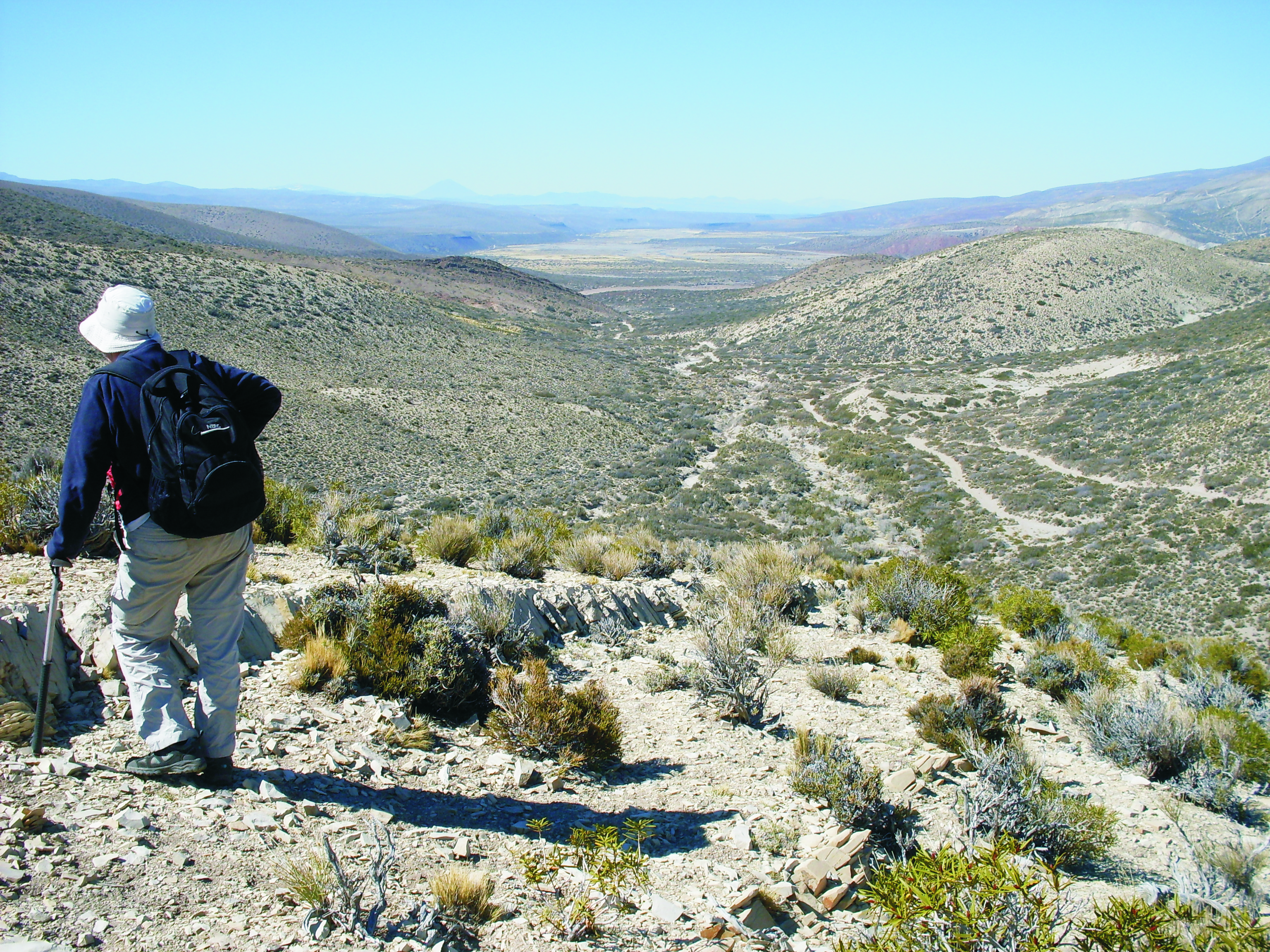
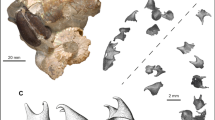
During a 2021 field campaign to the Vaca Muerta Formation in the Neuquén Basin at the foothills of the Andes in western Argentina, our original goal was to collect additional specimens of Bochianites neocomiensis, a Lower Cretaceous ammonoid previously identified during earlier fieldwork. At that time, only a few specimens were available, precluding a proper taxonomic description. Because this species had never been recorded from the Neuquén Basin, a return to the field was necessary to obtain more material. However, as often happens in geology, the rocks had other plans. While collecting new specimens, we noticed that some ammonoids were covered by an extremely thin film that detached almost instantly upon exposure. In several cases, this fragile layer lifted and literally floated away with the slightest breeze. None of us had encountered anything like this during previous fieldwork. It soon became evident that this was not a superficial weathering feature. Instead, the specimens preserved the periostracum—the original organic outer layer of the shell, whose primary function is to protect it from dissolution, abrasion, and other forms of damage. Such preservation is exceedingly rare in the fossil record. This unexpected discovery immediately posed a challenge.
Outside our comfort zone
Our laboratory specializes in biostratigraphy—focusing on taxonomy and stratigraphic distribution—rather than on the study of delicate tissues or exceptional modes of preservation. To understand how such a fragile structure survived for millions of years, the project took an entirely new direction, pushing us beyond our usual analytical framework.
The main challenge was first to decide what was actually required to analyse such an unusual type of preservation. Addressing this question made it clear that the study lay beyond the scope of our laboratory’s routine expertise. As a result, we established collaborations with colleagues from diverse specialities, both in Argentina and Spain. This interdisciplinary effort* made it possible to apply the range of analytical techniques presented here. Petrographic thin sections were used to investigate the sedimentary and diagenetic context, while calcareous nannofossils were studied to refine the stratigraphic framework and assess paleoenvironmental conditions at the time of deposition. These data were integrated with Raman spectroscopy and Fourier transform infrared (FTIR) analyses to explore the molecular composition of the preserved material. In addition, micro-computed tomography (micro-CT), scanning electron microscopy (SEM), and transmission electron microscopy (TEM) were performed to investigate the microstructural characteristics of the periostracum, providing non-destructive three-dimensional imaging and high-resolution observations of surface features.
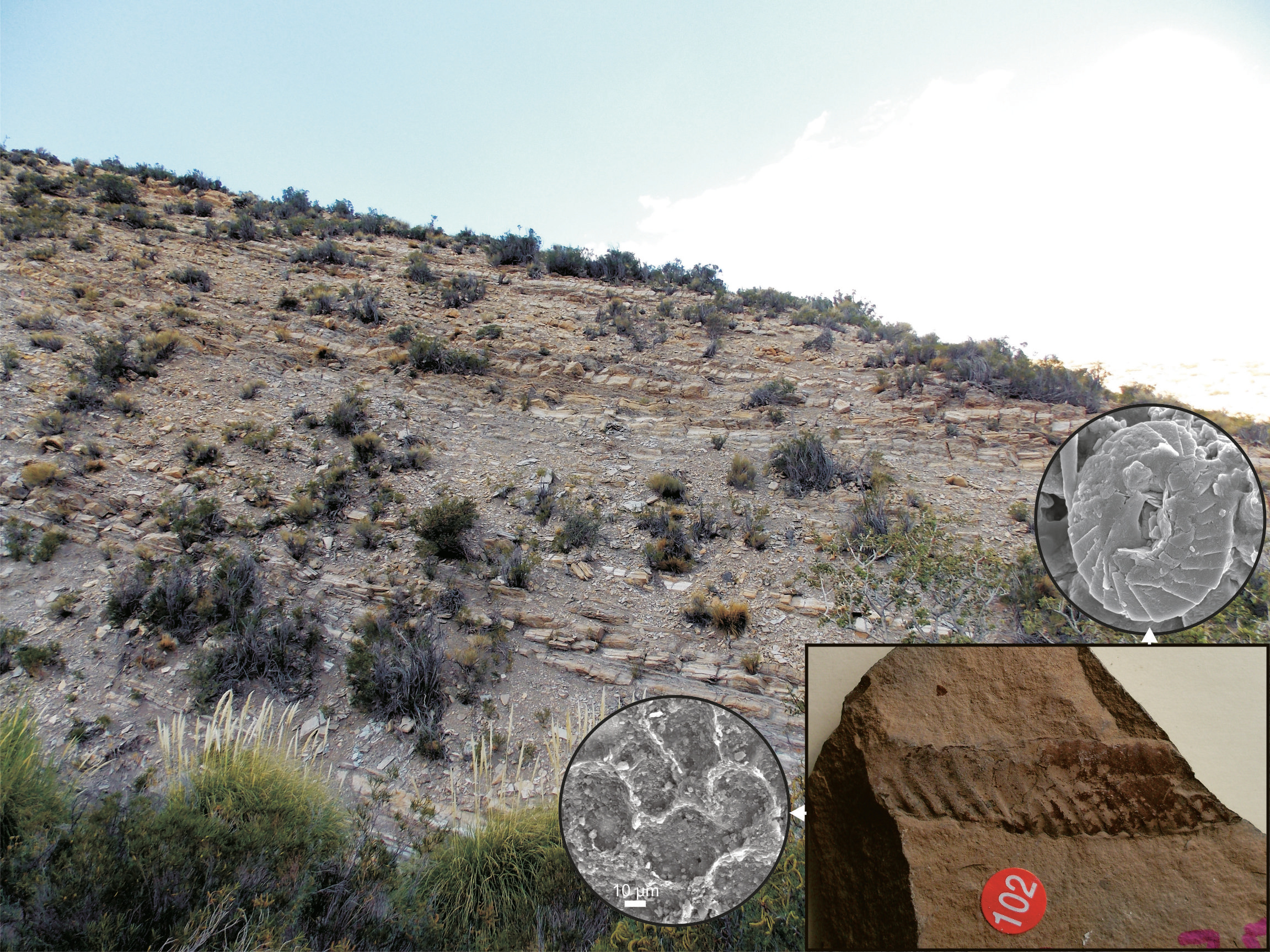
Thanks to this interdisciplinary approach, our results—published in Communications Biology—revealed that the ammonoid periostracum is composed of lipids, proteins, and polysaccharides, with a composition remarkably similar to that of extant conchiferans. The study also showed that the periostracum is approximately 2 µm thick and shows a smooth external surface, whereas the internal surface preserves the imprint of the aragonite crystal arrangement of the shell.
These findings not only improve our understanding of ammonoid shell biology but also highlight the potential of exceptional fossil preservation to reveal biochemical information across deep time. Addressing such questions would not have been possible without seeking expertise beyond our own. Collaborations with specialists from different disciplines proved essential, allowing the problem to be approached from multiple perspectives. Stepping outside our scientific comfort zone not only enhanced our understanding of the preservation processes involved but also fostered new professional links that will be fundamental for tackling future research challenges.
What began as a field campaign aimed simply at collecting additional specimens for a taxonomic study ultimately evolved into a genuinely interdisciplinary project. This experience underscores how unexpected discoveries can reshape research questions, methodologies, and collaborations.
Even in fossil groups as intensively studied as ammonoids, remarkable discoveries can still emerge—sometimes hidden within a microscopic film so fragile that it can disappear with nothing more than a gentle breath of air.
* This study was only possible thanks to the joint effort of an interdisciplinary team that emerged around this extraordinary discovery. United by a shared scientific curiosity to understand the true nature of this unexpected preservation—despite not all of us being ammonoid specialists—we collectively undertook the challenge: Beatriz Aguirre-Urreta, Luciana S. Marin, Antonio G. Checa, Christian Grenier, Maisa Tunik, Marina Lescano, Maria A. Castro, Darío G. Lazo, Verónica V. Vennari, and Martín N. Rogel.
My main research is on Ammonoid Paleontology and Biostratigraphy from Gondwana. One of my current projects is 'Cretaceous faunas of the Andes.' I am also involved in the history of geology and paleontology, besides my special interest in Darwin's research in South America.
Follow the Topic
-
Communications Biology
An open access journal from Nature Portfolio publishing high-quality research, reviews and commentary in all areas of the biological sciences, representing significant advances and bringing new biological insight to a specialized area of research.
Related Collections
With Collections, you can get published faster and increase your visibility.
Healthy Aging
Publishing Model: Open Access
Deadline: Dec 31, 2026
DNA repair and human disease
Publishing Model: Hybrid
Deadline: Oct 31, 2026