World Cancer Day 2026
Published in Cancer, Cell & Molecular Biology, and Genetics & Genomics
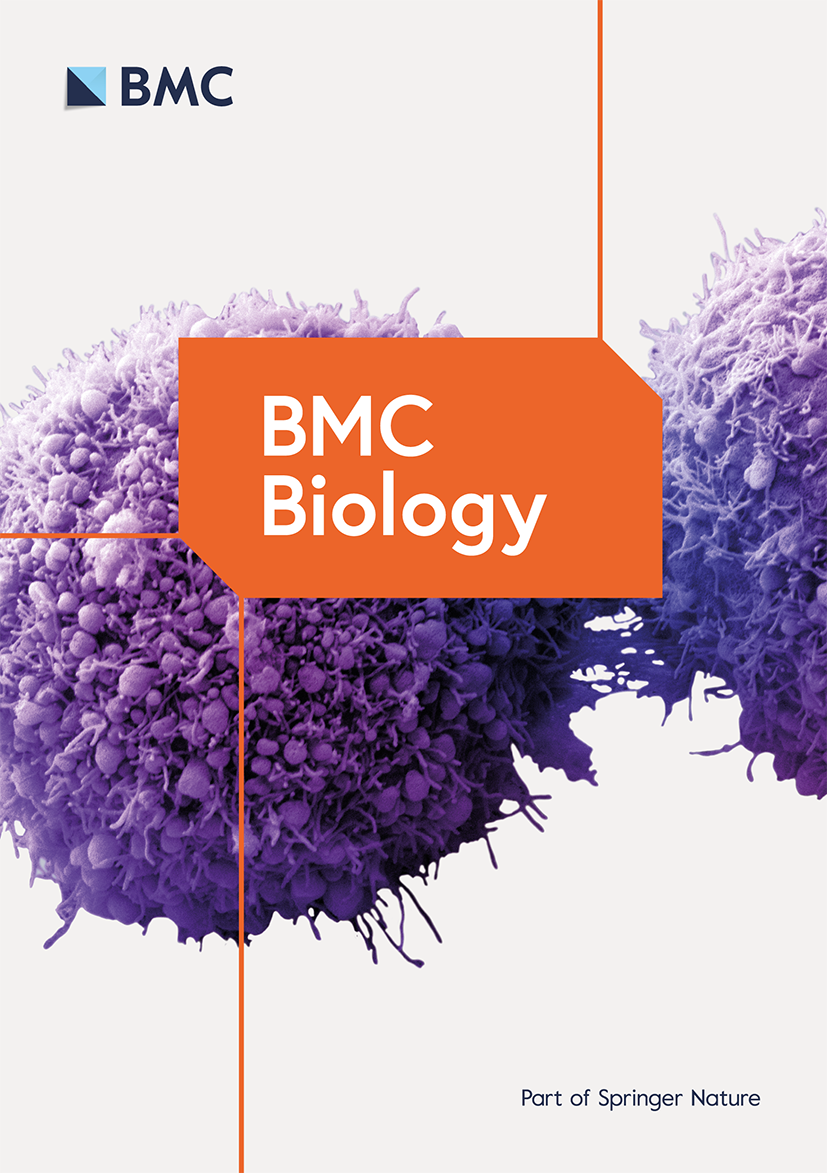





The 4th of February was “World Cancer Day”. The day was established in 2000 by the Union for International Cancer Control (UICC), a global organization consisting of more than 1100 member organizations, in order “to raise awareness about cancer, encourage its prevention, and mobilise action to address the global cancer epidemic”. Twenty-six years later, although the number of new cancer cases continues to rise, research advances have led to earlier diagnosis, more effective treatments, and steadily improving survival rates. These achievements make coordinated, global action more important and more hopeful than ever.
In this day we celebrate the human spirit that drives the hundreds of thousands of research scientists and clinicians in academia, research institutes, industry and hospitals, plan for the next experiment and never give up; as well as everyone supporting them to keep doing so. We also honour the strength and courage of the millions of people living with cancer around the world, many with limited access to treatment. And we remember also those who were not fortunate enough to benefit from one of the life-saving therapeutic breakthroughs of today.
In BMC Biology we are committed to advance basic and translational cancer research and, working together with our chosen Reviewers and Associate Editors we strive to publish rigorous and important work that brings new insights to the field of Cancer Biology and brings us one little step closer to understanding mechanisms of disease, diagnosis, prevention and therapy, one article at a time.
We commemorate this day by highlighting some of the research and Review articles published in BMC Biology the last couple of years. We would like to thank the authors of the articles below for entrusting us with their articles.
Highlights from recent BMC Biology publications
Review articles:
- The neglected burden of chronic hypoxia on the resistance of glioblastoma multiforme to first-line therapies —Jolie Bou-Gharios, Georges Noël & Hèlène Burckel
- Harnessing ferroptosis for precision oncology: challenges and prospects — Roberto Fernández-Acosta, Iuliana Vintea, Ine Koeken, Behrouz Hassannia & Tom Vanden Berghe
- Iron metabolism and ferroptosis in human health and disease — Meijuan Zhong, Yuandi Wang, Junxia Min & Fudi Wang.
Research articles
Cellular Stress, Autophagy and Tumor Adaptation
- Migrasomal autophagosomes relieve endoplasmic reticulum stress in glioblastoma cells— Seon Yong Lee, Sang-Hun Choi, Yoonji Kim, Hee-Sung Ahn, Young-Gyu Ko, Kyunggon Kim, Sung Wook Chi & Hyunggee Kim
AI and Genomics: Precision Diagnostics from Routine Data
- Prediction of homologous recombination deficiency from routine histology with attention‑based multiple instance learning in nine different tumor types — Chiara Maria Lavinia Loeffler, Omar S. M. El Nahhas, Hannah Sophie Muti, Zunamys I. Carrero, Tobias Seibel, Marko van Treeck, Didem Cifci, Marco Gustav, Kevin Bretz, Nadine T. Gaisa, Kjong-Van Lehmann, Alexandra Leary, Pier Selenica, Jorge S. Reis-Filho, Nadina Ortiz-Bruechle & Jakob Nikolas Kather
- Single‑cell RNA sequencing integrated with bulk RNA sequencing analysis identifies a tumor immune microenvironment‑related lncRNA signature in lung adenocarcinoma — Yuqing Ren, Ruhao Wu, Chunwei Li, Long Liu, Lifeng Li, Siyuan Weng, Hui Xu, Zhe Xing, Yuyuan Zhang, Libo Wang, Zaoqu Liu & Xinwei Han
Tumor Mechanobiology
- High matrix stiffness accelerates migration of hepatocellular carcinoma cells through the integrin β1‑Plectin‑F‑actin axis — Zhihui Wang, Wenbin Wang, Qing Luo & Guanbin Song
Epigenetics and Genome Dynamics in Cancer progression
- Mapping chromatin remodelling in glioblastoma identifies epigenetic regulation of key molecular pathways and novel druggable targets. — Claire Vinel, James Boot, Weiwei Jin, Nicola Pomella, Alexandra Hadaway, Charles Mein, Nicolae Radu Zabet & Silvia Marino
- Colorectal cancer progression to metastasis is associated with dynamic genome‑wide biphasic 5‑hydroxymethylcytosine accumulation — Ben Murcott, Floris Honig, Dominic Oliver Halliwell, Yuan Tian, James Lawrence Robson, Piotr Manasterski, Jennifer Pinnell, Thérèse Dix-Peek, Santiago Uribe-Lewis, Ashraf E. K. Ibrahim, Julia Sero, David Gurevich, Nikolas Nikolaou & Adele Murrell
Therapy Resistance and Cell cycle regulation
- ARv7 promotes the escape of prostate cancer cells from androgen deprivation therapy‑induced senescence by mediating the SKP2/p27 axis — Dian Zhuang, Jinsong Kang, Haoge Luo, Yu Tian, Xiaoping Liu & Chen Shao
Thematic Collections in BMC Biology: Calls for Papers
As part of our ongoing commitment to host cutting edge research articles in the Cancer field, we have launched Collections on the following topics:
- Cancer Metabolism — Newly launched and currently open for submissions. Researchers may contact lead editor, Vitor Sousa, or submit via the journal portal.
- Stem Cells and Cancer — Read the published articles here. Officially closed for submissions but remains open for exceptional manuscripts until March 2026 (contact lead editor, Anna Melidoni for inquiries).
- Ferroptosis - Closed for submissions, read the published articles here.
We also currently plan for our upcoming call for papers on: “Mechanisms of Drug Resistance”, with a special focus on cancer-specific drug resistance mechanisms that limit therapeutic efficacy, including those arising from tumour heterogeneity, lineage plasticity, phenotypic switching, and tumour–immune interactions altered by immune evasion. Please contact lead editor, Anna Melidoni for inquiries, or if you’d like to be considered as a Guest Editor.
Coming soon will also be a Collection on the biology of Epigenetic Therapies, including those with potential use for cancer treatment. Please contact Chief Editor, Graham Bell for inquiries, or if you’d like to be considered as a Guest Editor.
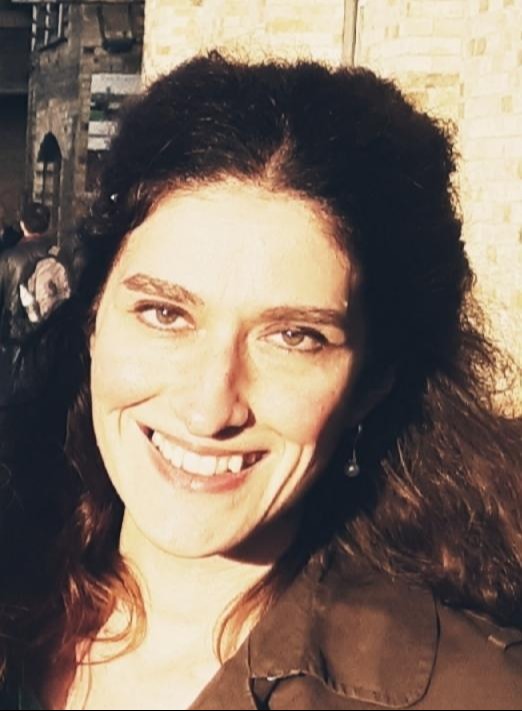
Anna studied Biology, with an emphasis on Cell, Molecular and Developmental Biology at the University of Crete, Greece. During her PhD in Queen Mary, University of London she worked on the knockout of Flavin-containing monoxygenase 5 (Fmo5) gene of the mouse, which eventually led to the identification of Fmo5 as a regulator of metabolic aging. As a Postdoc at the Universities of Ioannina, Greece and the University of Cambridge, UK she worked on the role of cell-surface receptors (Wnt/Notch/FGF4) and adherens junctions in the fate specification of mouse embryonic stem (mES) cells and mES-derived multipotent cardiac progenitors. She also worked in the development of an ES-cell-based expression and reporting system for the identification of functional antibodies that control stem cell differentiation from antigen-binding populations preselected with phage display. Anna joined the BMC series as a Manuscript editor March 2019, making decisions in a wide range of medical and biological journals. In 2021 she became a Senior editor and the Lead Editor of BMC Cardiovascular Disorders and BMC Endocrine Disorders until 2022, when she joined BMC Biology. Anna primarily handles manuscripts in the areas of Cell and Developmental Biology and has a keen interest in Stem Cell Biology and Regeneration.
Follow the Topic
-
BMC Biology
This is an open access journal publishing outstanding research in all areas of biology, with a publication policy that combines selection for broad interest and importance with a commitment to serving authors well.

Related Collections
With Collections, you can get published faster and increase your visibility.
Cancer metabolism
BMC Biology is calling for submissions to our Collection on Cancer metabolism. Cancer metabolism is a developing field that explores the biochemical and physiological changes that occur in cancer cells, which often exhibit distinct metabolic pathways compared to normal cells. Alterations such as the Warburg effect, where cancer cells preferentially utilize glycolysis for energy production even in the presence of oxygen, play a pivotal role in tumor progression and survival. Understanding the intricacies of cancer metabolism provides insights into how tumors adapt to their microenvironments and highlights potential therapeutic targets for intervention.
Future research in cancer metabolism promises to yield transformative insights that could reshape therapeutic approaches and improve precision medicine. The continued focus on metabolic pathways may lead to the identification of new biomarkers for cancer diagnosis and prognosis, as well as novel strategies to enhance the sensitivity of cancer cells to treatment. As we deepen our understanding of the metabolic landscape of tumors, we may uncover innovative strategies that exploit these vulnerabilities, ultimately leading to novel and more effective cancer treatments, as well as improved patient outcomes.
Recent advancements in the field, including the identification of metabolic reprogramming strategies and the influence of diet on tumor growth, have opened new avenues for research. Investigations into the roles of lipids, fatty acids, and dietary interventions, such as ketogenic diets, are revealing potential methods for manipulating tumor metabolism and enhancing the efficacy of existing treatments. We invite researchers to submit their work to this Collection, which aims to showcase groundbreaking research and technologies addressing cancer metabolism and support the advancement of this field, encompassing a wide array of topics related to metabolic pathways and their implications for cancer biology and therapy.
Potential topics include but are not limited to:
- Metabolic reprogramming in cancer cells
- The Warburg effect and its implications
- Role of mitochondria in cancer metabolism
- Impact of dietary interventions on tumor metabolism
- Glycolysis and lipid metabolism in cancer
- Animal models
- Imaging and method developments
- Metabolic engineering
This Collection supports and amplifies research related to SDG 3 (Good Health and Well-being).
All manuscripts submitted to this journal, including those submitted to collections and special issues, are assessed in line with our editorial policies and the journal’s peer review process. Reviewers and editors are required to declare competing interests and can be excluded from the peer review process if a competing interest exists.
Publishing Model: Open Access
Deadline: Oct 30, 2026
Symbiotic relationships
BMC Biology is calling for submissions to our Collection on Symbiotic relationships.
Symbiotic relationships are fundamental interactions between different organisms —mutualistic, commensal, and parasitic—that shape ecological dynamics and evolutionary trajectories across the tree of life. From the nutrient sharing networks formed by plants and fungi in mycorrhizal systems to the intricate partnerships between animals and their microbial communities, symbiotic relationships reveal the deep interdependence that underlies biodiversity and ecosystem function.
Investigating symbiotic relationships is vital for understanding how species co-evolve and adapt within their environments. Recent advances in molecular biology and ecological genomics have allowed researchers to unravel the genetic and biochemical mechanisms underpinning these interactions. These insights shed light on how organisms negotiate benefits and costs, co-adapt over evolutionary timescales, and respond to shifting environmental pressures. Beyond fundamental biology, symbiosis research increasingly informs practical applications in medicine, agriculture, biotechnology, and conservation, underscoring the significance of this field of research.
Continued exploration into symbiotic interactions promises to illuminate new dimensions of ecological and evolutionary complexity. Emerging technologies may uncover previously unknown partnerships and offer ways to harness beneficial relationships to enhance our health, ecosystem stability, crop productivity, and conservation strategies. Understanding how symbioses originate, persist, and adapt in changing environments is central to predicting and managing biological responses in a rapidly shifting world.
Topics of interest include (but are not limited to):
- Evolutionary impacts of symbiotic relationships, including transitions to parasitism, conflict resolution mechanisms and insights into costs, benefits, and trade-offs in maintaining these relationships
- Plant–Microbe and Plant–Fungi symbioses, including mycorrhizal networks, nitrogen-fixing symbioses, endophytic fungi and plant stress tolerance
- Animal-Microbiome interactions, including contributions to host health, genetic mechanisms underlying host–microbe recognition
- Biofilm communities as models for cooperative and competitive symbiosis
- Beneficial viral symbionts in unicellular and multicellular organisms
- Tripartite symbiotic systems, including ant-plant-fungus, lichen-algae-cyanobacteria
- Coral symbioses and their contributions to reef ecosystem health, restoration and recovery
- Holobiont frameworks across all taxa
- Resilience of symbiotic systems under climate change
- Synthetic biology approaches to design synthetic symbioses for various applications
This Collection supports and amplifies research related to SDG 13 (Climate action), SDG 14 (Life below water), and SDG 15 (Life on land).
All manuscripts submitted to this journal, including those submitted to collections and special issues, are assessed in line with our editorial policies and the journal’s peer review process. Reviewers and editors are required to declare competing interests and can be excluded from the peer review process if a competing interest exists.
Publishing Model: Open Access
Deadline: Dec 31, 2026