World Sexual Health Day 2026: Every Body
Published in Social Sciences, Public Health, and Paediatrics, Reproductive Medicine & Geriatrics

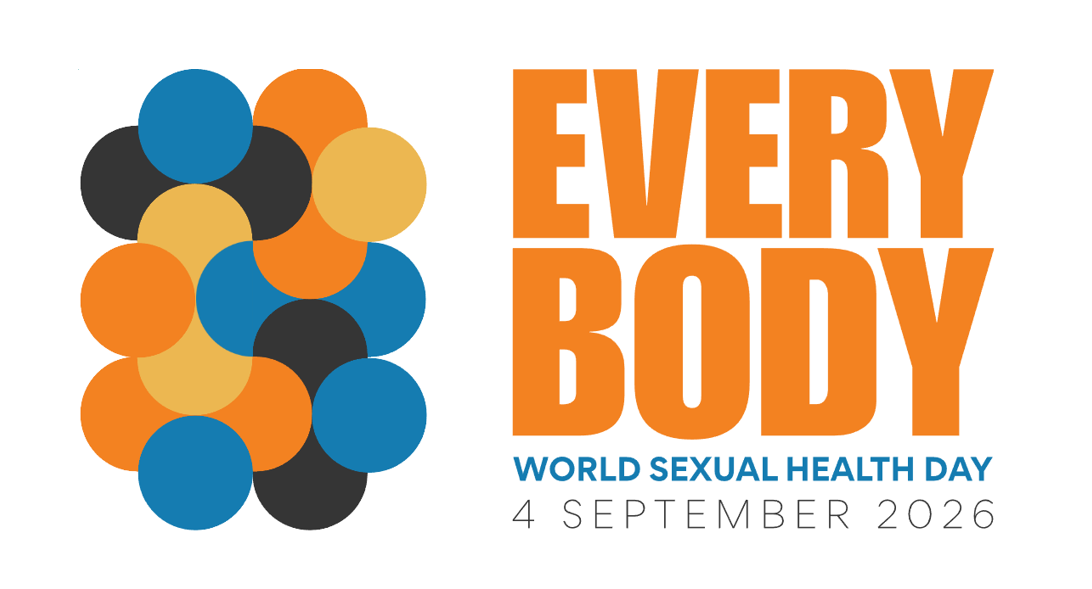





Sexual health is an essential component of overall health and well-being. It intersects with many of the challenges and opportunities addressed by the UN Sustainable Development Goals (SDGs), particularly SDG 3: Good Health and Well-being, while also connecting to efforts to reduce inequalities and improve access to healthcare worldwide. 4th September marks World Sexual Health Day, an annual awareness campaign led by the World Association for Sexual Health (WAS).
This Year's Theme: Every Body
 The 2026 theme, Every Body, emphasises that sexual health is lived and experienced through our bodies and shaped by the social, cultural, healthcare, and policy environments around us. The campaign calls attention to the importance of inclusion, equity, and recognition of diverse lived experiences in conversations about health and well-being.
As part of this year's World Sexual Health Day celebrations, we're highlighting research and resources that contribute to a more informed and inclusive understanding of health and well-being.
Featured Springer Nature Research
From fundamental research to applied studies, these articles showcase the latest evidence and perspectives related to sexual health and well-being.
Research Article Highlights
- The impacts of introducing online postal self-sampling for sexually transmitted infections on the sustainability and equity of sexual health systems: lessons learned from a multi-method UK-wide realist evaluation in BMC Medicine.
- ‘Oh, they can prevent It?‘: a structural agency framework for understanding HIV prevention among black women in community supervision programs in Health & Justice.
- Sexual and reproductive health of in-transit migrant women en route to the United States: a mixed-methods study in Ciudad Juárez, Mexico in BMC Global and Public Health.
- Current and future pharmacotherapy for female sexual dysfunction in Nature Reviews Urology.
- From Digital Health Literacy to a Digital and Data Capabilities Approach to Sexual Health in Sexuality Research and Social Policy.
- Including the excluded: an evaluation of a sexual health promotion capacity building intervention among specialist homelessness services in New South Wales in International Journal for Equity in Health.
Featured Collections
-
Sex Hormones and Hormone Therapy Across Life Course in Communications Medicine
- Check out the accompanying call for papers blog
- Sexually Transmitted Infections in a Changing Global Landscape: Epidemiology, Systems, and Emerging Challenges in Journal of Epidemiology and Global Health.
- Old Threats Anew: Impact of International Disruption on Infectious Disease and Sexual Health in Africa and the Global South in Harm Reduction Journal.
- Challenges in sexuality education and care in BMC Public Health.
- Adolescent Sexual and Reproductive Health, Agency, and Protection in Reproductive Health.
Books Spotlight
For readers looking to explore the topic in greater depth, these recent and notable books offer valuable insights from researchers and practitioners.
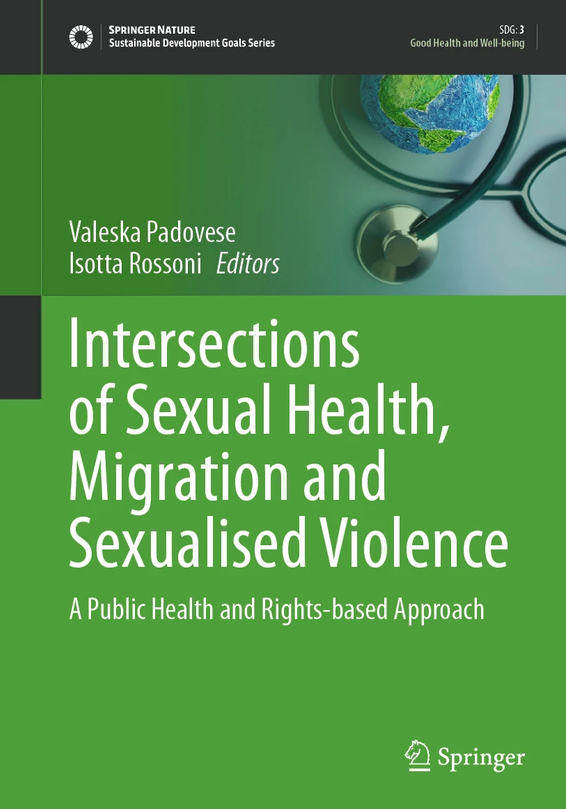 Intersections of Sexual Health, Migration and Sexualised Violence
This book provides a unique, interdisciplinary and rights-based perspective on sexual and reproductive health, sexualised violence and gender-based violence (GBV) among refugees, displaced persons and other migrants.
Learn more → https://link.springer.com/book/10.1007/978-3-032-20707-4
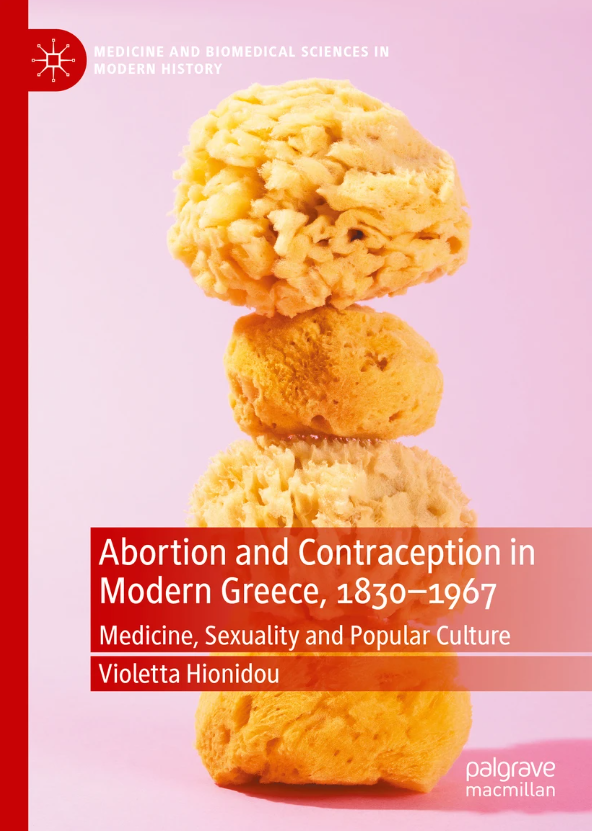 Abortion and Contraception in Modern Greece, 1830-1967
The book examines the history of abortion and contraception in Modern Greece from the time of its creation in the 1830s to 1967, soon after the Pill became available.
Learn more → https://link.springer.com/book/10.1007/978-3-030-41490-0
Community Perspective
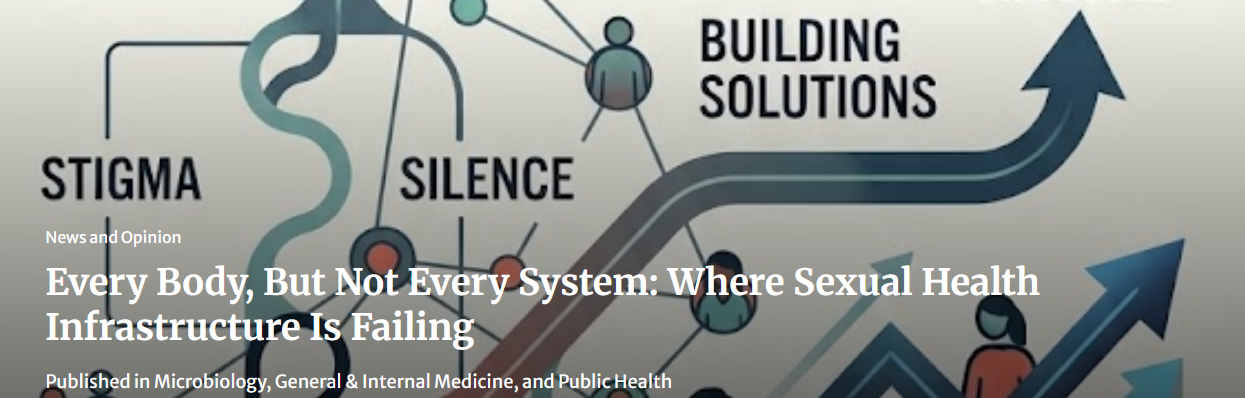
Prof Ismaël Maatouk's Every Body, But Not Every System: Where Sexual Health Infrastructure Is Failing explores the gap between the inclusive vision of the "Every Body" theme and the reality of sexual health systems worldwide. It argues that underfunding, fragmented services, limited access to diagnostics, and persistent stigma continue to prevent many people from receiving adequate care, and calls for greater investment, integration, and political commitment to improve sexual health outcomes and achieve SDG 3 targets.
Continuing the Conversation
World Sexual Health Day reminds us that health and well-being are shaped by a combination of scientific evidence, healthcare access, education, policy, and lived experience. By supporting inclusive research and evidence-based dialogue, we can help advance understanding and contribute to healthier outcomes for communities around the world.
Explore the resources featured above and join the conversation using #WorldSexualHealthDay and#WSHD2026 on social media.
Follow the Topic
-
BMC Global and Public Health
An open access, transparent peer review journal publishing outstanding and influential research and opinion of broad interest to all professional communities involved in global and public health research, policy-making, implementation and delivery worldwide.
-
BMC Medicine
This journal publishes outstanding and influential research in all areas of clinical practice, translational medicine, medical and health advances, public health, global health, policy, and general topics of interest to the biomedical and sociomedical professional communities.
-
Communications Medicine
A selective open access journal from Nature Portfolio publishing high-quality research, reviews and commentary across all clinical, translational, and public health research fields.
-
Health & Justice
This journal presents research and commentary on the health and well-being of people involved or working in the justice system.
-
Sexuality Research and Social Policy
-
Journal of Epidemiology and Global Health
The journal aims to impact global epidemiology and international health with articles focused on innovative scholarship and strategies to advance global health policy.
-
BMC Public Health
An open access, peer-reviewed journal that considers articles on the epidemiology of disease and the understanding of all aspects of public health.
-
International Journal for Equity in Health
This journal presents evidence relevant to the search for, and attainment of, equity in health across and within countries and publishes research which improves the understanding of issues that influence the distribution of health and healthcare within populations.
-
Harm Reduction Journal
This journal publishes research and commentary on approaches diminishing the harm of stigmatization, marginalization and criminalization of public health, human rights and social justice issues, as well as rebuking the de facto criminalization of marginalized and stigmatized communities.
-
Nature Reviews Urology
Nature Reviews' basic, translational and clinical content is written by internationally renowned basic and clinical academics and researchers and targeted towards readers in the biological and medical sciences, from postgraduate level upwards.
-
Reproductive Health
This journal focuses on all aspects of human reproduction, including adolescent health, female fertility, contraception, and maternal health and all articles are open access.











Related Collections
With Collections, you can get published faster and increase your visibility.
Male reproductive health
BMC Public Health invites submissions to our new Collection, "Male reproductive health”. Male reproductive health is an essential yet often overlooked aspect of public health that encompasses various factors affecting men's fertility and overall well-being. Issues such as declining sperm counts, poor sperm quality, the impact of environmental exposures and the effects of lifestyle and dietary factors on reproductive outcomes are gaining increasing attention.
This Collection seeks to examine the multifaceted influences on male reproductive health, considering environmental, infectious and sociocultural dimensions that affect male reproductive parameters and contribute to fertility challenges. Continued research in this area could help identify causative factors and contribute to advances in public health policies, ultimately benefiting future generations.
Key topics of interest include, but are not limited to:
Environmental pollution and reproductive health
Sperm count trends and implications for fertility
The role of occupational exposures in male fertility
The effects of infectious diseases on sperm parameters
Impact of diet and lifestyle factors on sperm quality and fertility
Psychological factors influencing reproductive health
Interventions for improving male reproductive health
This Collection supports and amplifies research related to Sustainable Development Goal 3- Good Health and Well-Being.
All manuscripts submitted to this journal, including those submitted to collections and special issues, are assessed in line with our editorial policies and the journal’s peer review process. Reviewers and editors are required to declare competing interests and can be excluded from the peer review process if a competing interest exists.
Publishing Model: Open Access
Deadline: Sep 29, 2026
Appropriate use of antibiotics: public health strategies, knowledge, and practice gaps
BMC Public Health is calling for submissions to our Collection on Appropriate use of antibiotics: public health strategies, knowledge, and practice gaps.
Misuse of antibiotics contributes to antimicrobial resistance (AMR), posing a threat to the future management of bacterial diseases. However, it is a multi-faceted problem without a simple solution.
Antibiotic misuse can take various forms, each requiring different strategies to address. In healthcare systems, antibiotic overuse is often driven by the tension between clinical uncertainty and the desire to offer patients a treatment that may improve their symptoms or prevent them from developing complications. The prescription of antibiotics is often done empirically, driven by the difficulty of distinguishing between bacterial and viral infections at the point of care, or the worry that a lack of intervention could have consequences.
Added to this, people in the community can contribute to inappropriate use by reusing or sharing leftover antibiotics from prior prescriptions. Similarly, misplaced expectations around the benefits of antibiotics can drive misuse in the community, pointing to the need for community-focused and community-led initiatives to inform the public on the use of antibiotics and the collective impact of antimicrobial resistance.
However, social science reframes antibiotic overuse as more than an individual behaviour problem. Antibiotics frequently act as a social and structural “quick fix” that supports care, productivity, hygiene, and coping with inequality in everyday life. They are used to compensate for gaps in water, sanitation, social protection, and health-system capacity, suggesting that interventions focusing narrowly on individual knowledge and attitudes may be unlikely to succeed unless they also address these wider drivers.
This Collection aims to explore the various dimensions of the responsible use of antibiotics, examining the prevalence of misuse and strategies for reducing unnecessary use, covering interventions aimed at prescribers and pharmacists as well as 'bottom-up' strategies such as community education campaigns. We invite contributions that investigate the roles of healthcare providers, patients, professional guidance, communities, and policymakers in addressing this pressing issue.
Potential topics for submission include, but are not limited to:
Patterns of antibiotics overuse in various populations
The role of healthcare providers in preventing misuse
Public health campaigns and gross-roots initiatives to promote responsible use of antibiotics
Policy frameworks for improving the prescribing and dispensing of antibiotics
Social and structural drivers of antibiotic use (ethnographic, anthropological, and political-economy analyses).
Interventions that address upstream determinants (water, sanitation, social protection, labour conditions) alongside stewardship measures.
This Collection supports and amplifies research related to SDG 3 (Good Health and Well-being).
All manuscripts submitted to this journal, including those submitted to collections and special issues, are assessed in line with our editorial policies and the journal’s peer review process. Reviewers and editors are required to declare competing interests and can be excluded from the peer review process if a competing interest exists.
Publishing Model: Open Access
Deadline: Oct 03, 2026
Please sign in or register for FREE
If you are a registered user on Research Communities by Springer Nature, please sign in