JMCR: Clinical Minute
Published in Neuroscience and Biomedical Research
Explore the Research
JavaScript is disabled
A 46-year-old woman developed two months of progressively worsening auditory and visual hallucinations, fear, insomnia, and loss of independence.
She had undergone total thyroidectomy 16 years earlier and had stopped taking calcium, vitamin D, and thyroxine regularly. She also reported carpopedal spasms, perioral numbness, and tingling.
Serum calcium was 6.8 mg/dL, phosphorus was 6.9 mg/dL, and parathyroid hormone was undetectable. Brain CT showed symmetrical basal-ganglia, cerebellar, and other intracranial calcifications.
The authors diagnosed psychosis secondary to severe hypocalcemia from postsurgical hypoparathyroidism.
Calcium, vitamin D, and thyroxine were restarted, with short-term risperidone and as-needed lorazepam. Her hallucinations, sleep, and daily functioning improved substantially within one week.
The lesson: before labeling new-onset psychosis as primary psychiatric disease, look for metabolic clues—especially previous neck surgery, paresthesia, spasms, seizures, or medication nonadherence.
Article Highlights
- Describes hallucinations and behavioral change associated with severe postsurgical hypocalcemia.
- Connects remote thyroidectomy and treatment nonadherence with undetectable parathyroid hormone.
- Demonstrates extensive intracranial calcification associated with chronic hypoparathyroidism.
- Reinforces the importance of calcium, phosphorus, magnesium, renal, thyroid, and parathyroid evaluation in appropriate neuropsychiatric presentations.
- Does not establish which component of the combined treatment was principally responsible for improvement.
- Highlights the importance of sustained supplementation and follow-up after thyroid surgery.
Diagnostic caveat
The temporal association, biochemical abnormalities, neurological symptoms, and improvement with treatment support a metabolic contribution. However, the patient received metabolic correction, thyroid replacement, and psychotropic therapy concurrently. The case therefore cannot determine the independent effect of calcium correction or exclude every alternative contributor.
Clinical Take-Home Message
New hallucinations or behavioral change may be the presenting manifestation of a metabolic disorder.
In a patient with previous thyroid or parathyroid surgery—particularly one with paresthesia, carpopedal spasm, seizures, or interrupted supplementation—measure serum calcium and investigate parathyroid function before assuming a primary psychiatric diagnosis.
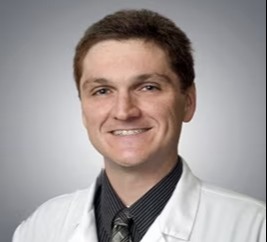
Richard Alan Rison is the Editor-in-Chief of Journal of Medical Case reports. He is also an associate neurology editor (editorial board) for BMC Neurology, and the former lead editor for case reports of BMC Research Notes (currently on the editorial board). His scholarly work focuses on medical case reporting, reporting standards, and editorial methodology. Dr. Rison participated in the development and dissemination of the CARE guidelines for clinical case reporting and has authored numerous publications addressing both neurological disorders and the role of case reports in advancing medical knowledge. Dr. Rison practices general neurology and served as the founding medical director of the PIH Health Hospital-Whittier Stroke Program and the PIH Health Hospital-Whittier Non-Invasive Vascular Laboratory, is a clinical assistant professor of neurology at the University of Southern California Keck School of Medicine and Los Angeles County Medical Center, and is a Fellow of the American Academy of Neurology, the American Neurological Association, and the American Association of Neuromuscular and Electrodiagnostic Medicine. Dr Rison is board-certified by the American Board of Psychiatry and Neurology in neurology and vascular neurology, and neurocritical care and neuroimaging by the United Council of Neurologic Subspecialties. He is also board-certified by the American Board of Electrodiagnostic Medicine in electrodiagnostic medicine. Dr. Rison is a former president of the Los Angeles Neurological Society.
Follow the Topic
-
Journal of Medical Case Reports
This journal will consider any original case report that expands the field of general medical knowledge, and original research relating to case reports.