Predicting falls 'in the wild' with wearable sensors
Published in Healthcare & Nursing


In the past 10 years a range of digital health technologies have been introduced to help study the risk assessment, identification, and management of falls. As these platforms are incorporated into routine clinical practice, generating large datasets, opportunities will arise to develop new insights on the challenges surrounding prevention and management of falls and their consequences.
In this paper we have analyzed gait, mobility and falls risk in a sample of 8,521 older adults assessed using wearable sensors, the TUG test and questionnaires on clinical risk factors. Data were captured under real world clinical conditions by 38 organizations in 6 countries over the past 5 years.
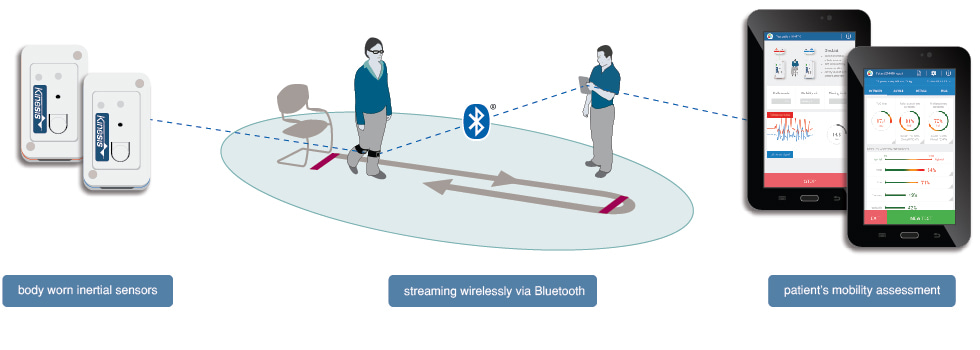
Figure 1: Kinesis QTUG digital fall risk assessment system
This research is the culmination of 11 years of research and development in fall risk assessment and gait analysis originating with the TRIL center, a €25M ageing research project in Dublin, Ireland, funded by Intel, GE Healthcare and the Irish government and including three leading Irish universities. The resulting falls risk and gait assessment technology was spun into a university start-up company - Kinesis Health Technologies. Kinesis launched the Quantitative Timed Up and Go (QTUG) as a product in 2014, based on algorithms trained using data from TRIL and other research projects. This paper arose from a desire to understand how the trained fall risk and mobility assessment algorithms behaved “in the wild”, on statistically independent datasets; What was the prevalence of different risk factors? Were there differences between routine clinical use and laboratory conditions and were there differences in prevalence and severity between settings (e.g. senior living vs. residential care), users (e.g. care workers vs. physicians) and patient types (e.g. community dwelling vs. rehabilitation)?
We found that more than one fifth of older adults who have never reported a fall were at high risk and would perhaps stand to benefit most from an intervention. Similarly, by comparing against a large reference data set, some form of gait impairment was noted in almost 1 out of 5 of participants. One in four patients were predicted to be at high risk of falls with a similar proportion reporting a fall in the past 12 months.
To our knowledge this is the largest dataset of its kind ever reported. We believe these data could be of crucial importance to clinicians working in the field of fall prevention as they provide a reliable basis for determining a patient's falls risk and establishing preventative measures. Furthermore, this approach supports the delivery of care-worker led population-health management of falls, an approach which may help reduce unnecessary emergency department visits and outpatient appointments by driving more medium and low risk patients towards community and social care falls prevention activities.
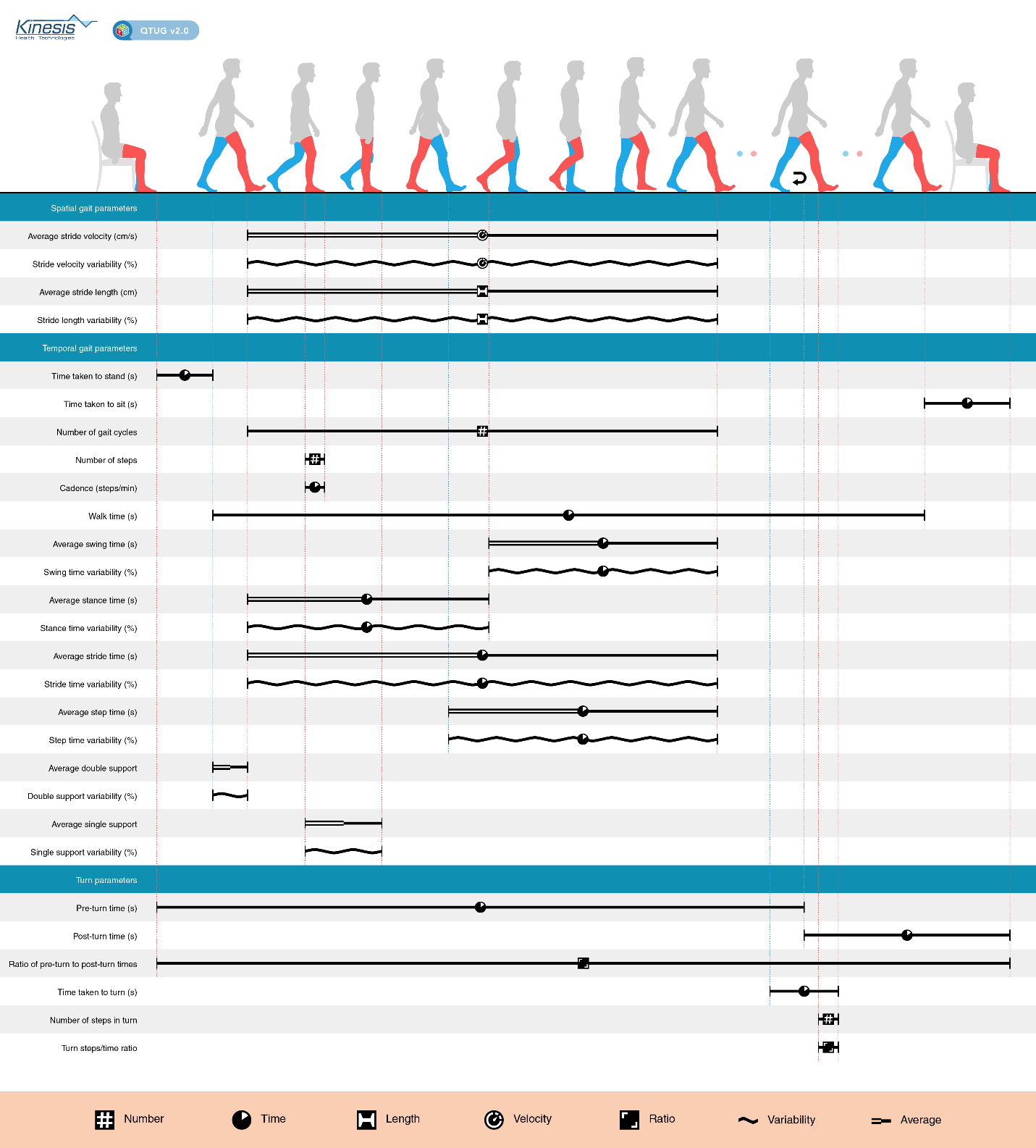
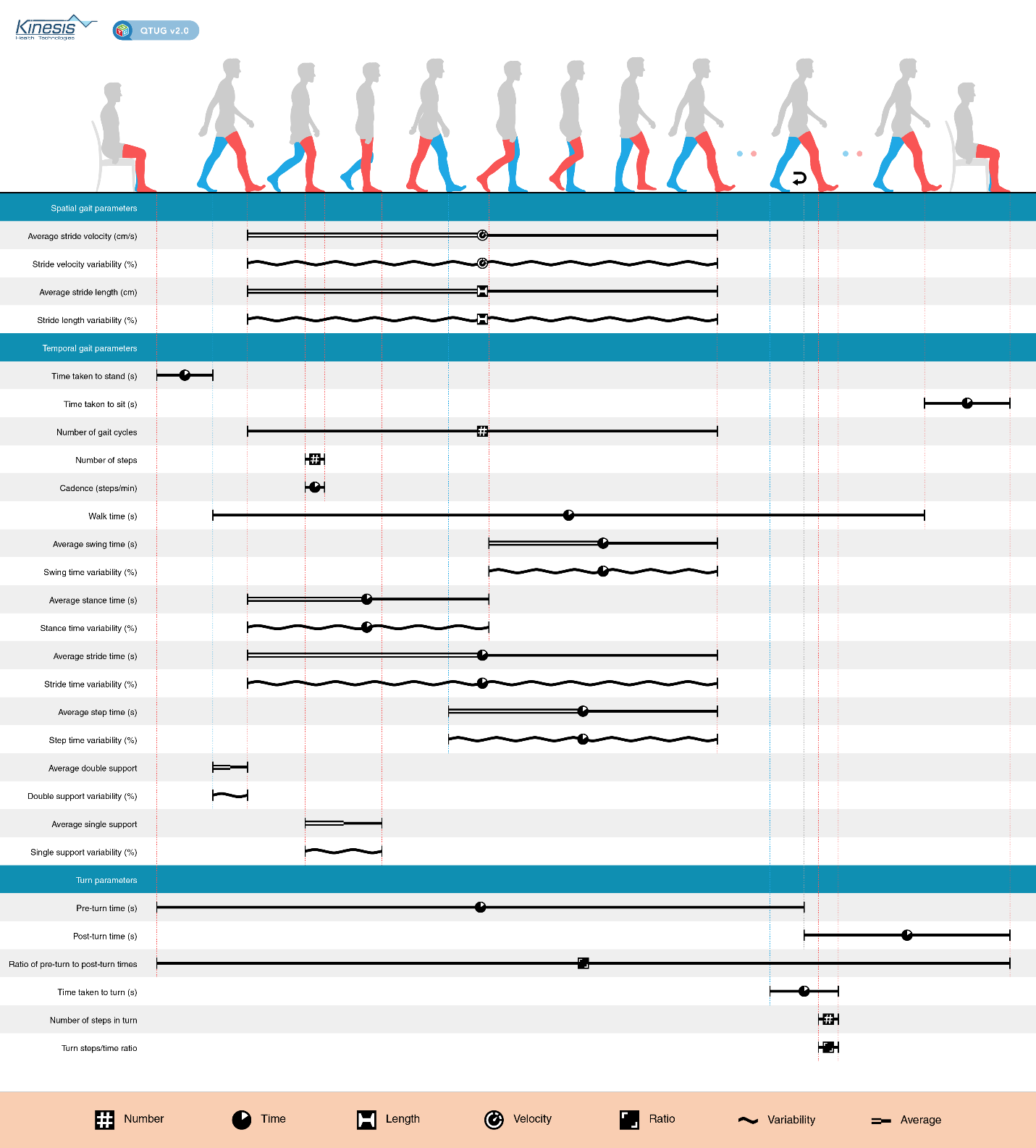
Figure 2: Chart showing some of the metrics extracted from sensor data captured during a typical TUG test.

Follow the Topic
-
npj Digital Medicine
An online open-access journal dedicated to publishing research in all aspects of digital medicine, including the clinical application and implementation of digital and mobile technologies, virtual healthcare, and novel applications of artificial intelligence and informatics.

Related Collections
With Collections, you can get published faster and increase your visibility.
Synthetic Clinical Data and Privacy-Preserving Frameworks for Trustworthy Health AI
Publishing Model: Open Access
Deadline: Jun 03, 2027
Digital Biomarkers for Enabling Proactive Clinical Decisions
Publishing Model: Open Access
Deadline: May 18, 2027