A new microbial discovery in the mangroves: meet Neptunitalea lumnitzerae
Published in Ecology & Evolution and Microbiology
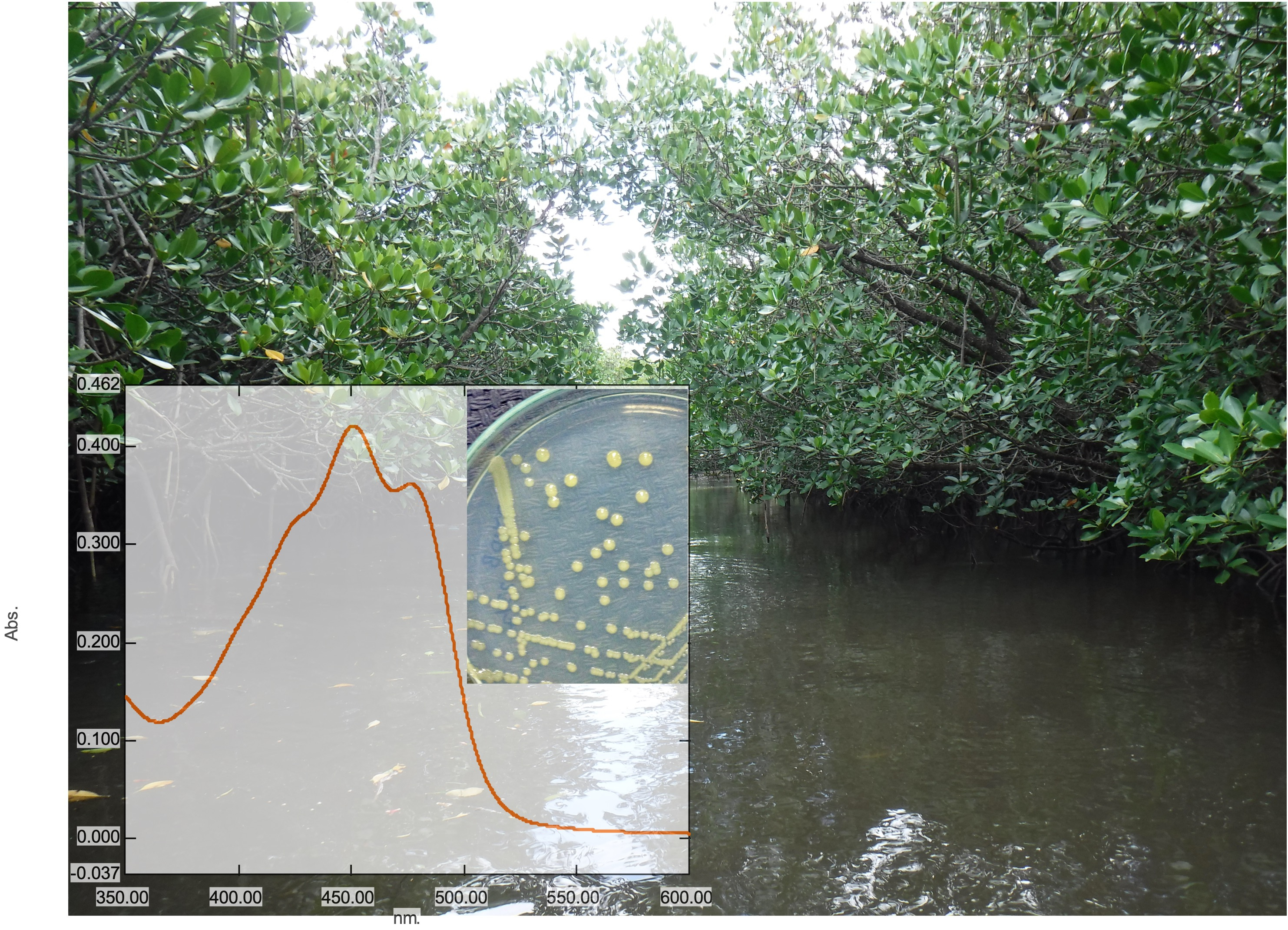



Mangrove forests are known for their unique and challenging environments, characterized by high salinity, fluctuating water levels, and rich organic matter. These conditions create a niche for specialized microorganisms that play crucial roles in nutrient cycling and ecosystem stability.
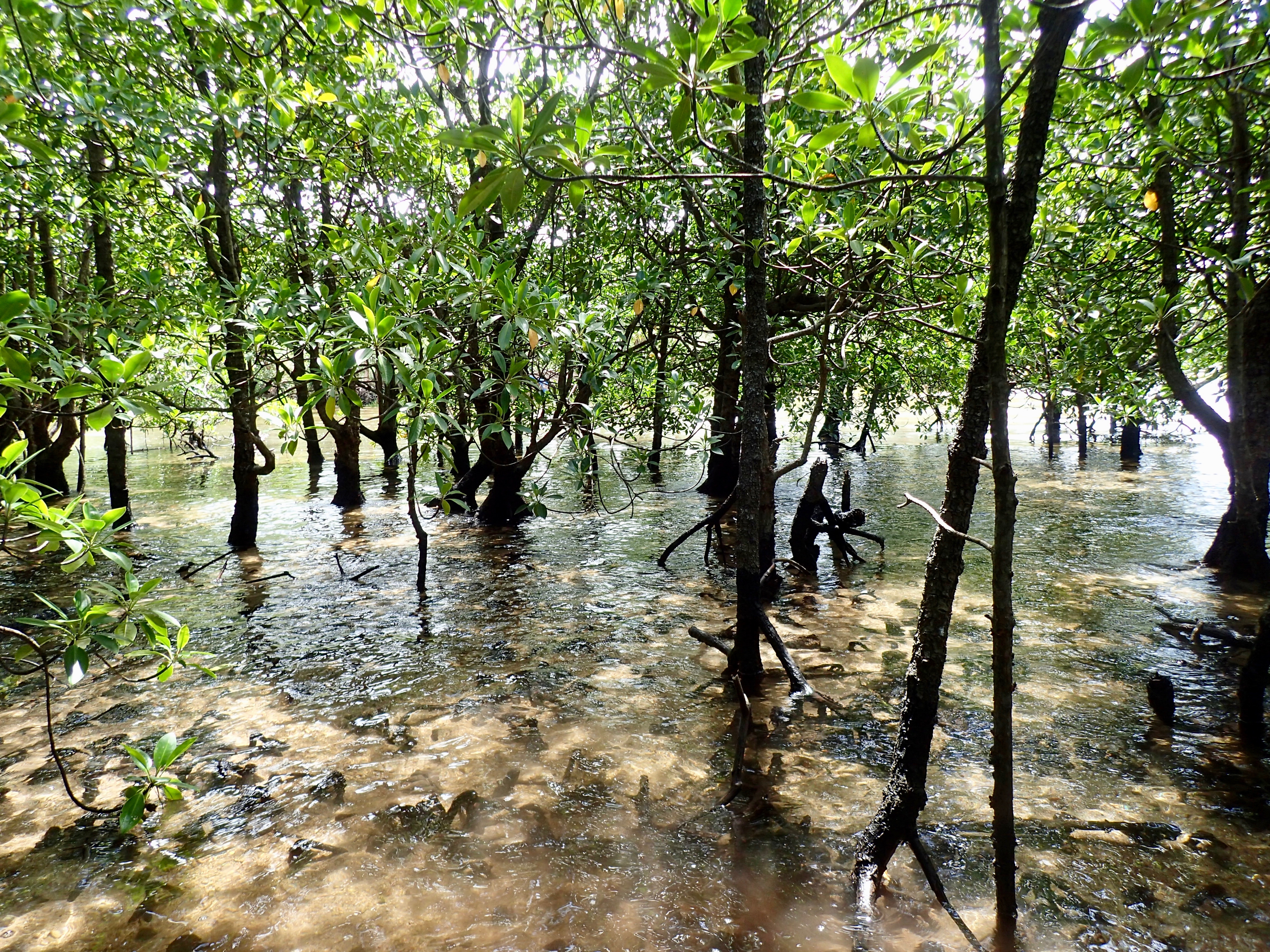
During our research trip to Okinawa in July 2018, we collected various samples from the mangrove forests of Iriomote Island, including samples from Lumnitzera racemosa (white-flowered black mangrove) leaves. This research trip was an integral part of our broader research efforts to explore and document microbial diversity in unique ecosystems. For fieldwork in mangroves, we took advantage of the research facilities of the University of the Ryukyus, Tropical Biosphere Research Center (TBRC), Iriomote Station. The station has been playing a central role as a research base or station for the study of mangrove ecosystems.
A New Member of Flavobacteriaceae
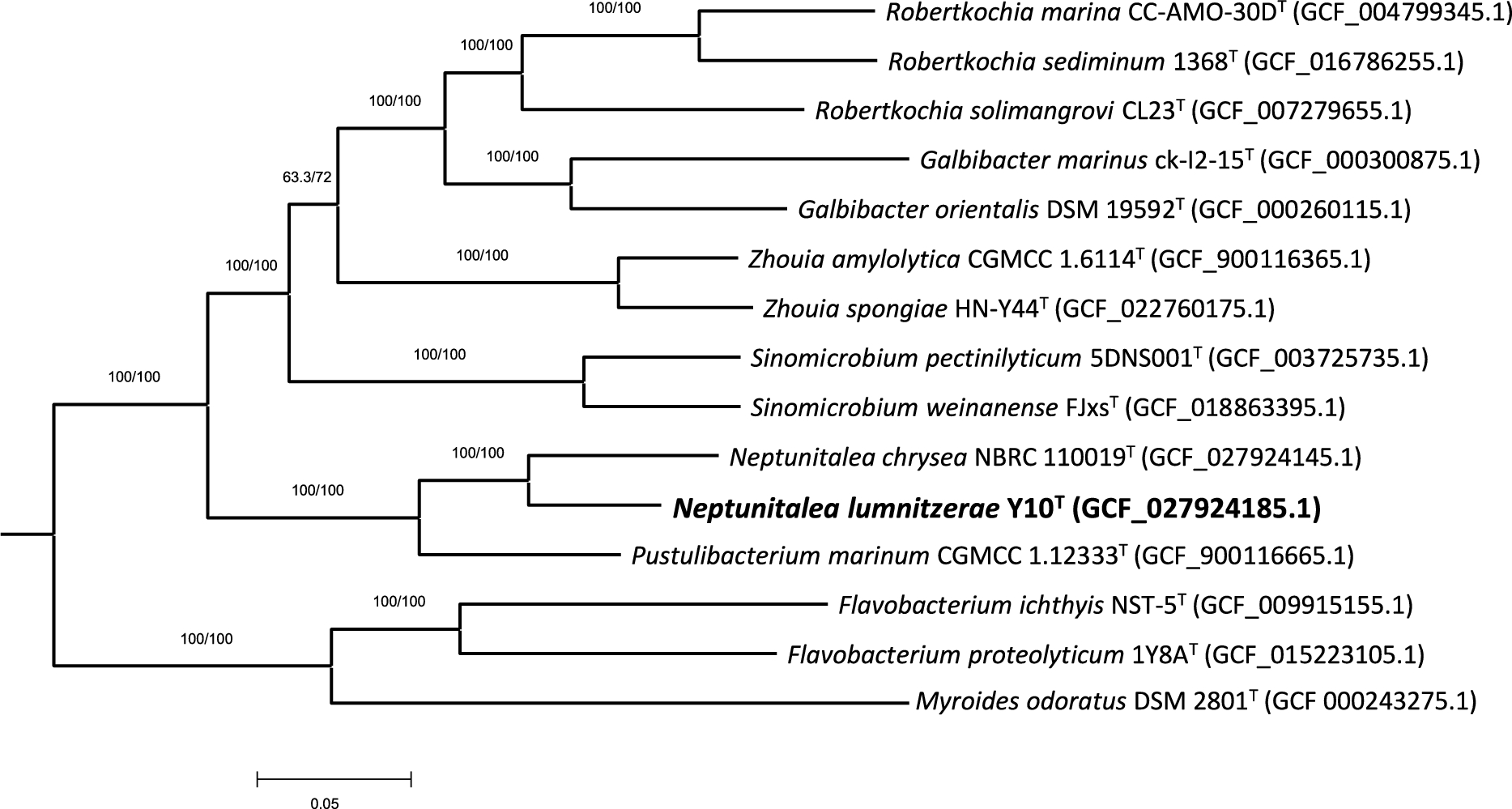
The Flavobacteriaceae family is known for its widespread presence in various ecosystems, including freshwater, soil, and marine environments. Many of its members play essential roles in nutrient cycling, particularly in the breakdown of complex carbohydrates. The genus Neptunitalea was first established in 2015 with the identification of Neptunitalea chrysea, a species isolated from seawater in Japan. Until now, it remained the only known species of the genus. The discovery of Neptunitalea lumnitzerae represents a major step in expanding our knowledge of this group and its interactions with plant hosts. Beyond genetic and biochemical differences from its close relatives, the bacterium was also found to be resistant to several antibiotics, including nalidixic acid, neomycin, and streptomycin. This resistance is likely due to the presence of multidrug efflux pump genes rather than exposure to clinical antibiotics, reinforcing the idea that natural environments, especially pristine habitats like mangrove forests, harbor bacteria with intrinsic resistance mechanisms. Moreover, pigment analysis revealed that the yellow coloration of Neptunitalea lumnitzerae is linked to the production of zeaxanthin, a carotenoid with known antioxidant properties. Carotenoids have significant commercial value, being widely used in food, cosmetics, and pharmaceuticals. Future research could explore whether Neptunitalea lumnitzerae serves as a viable source for natural pigment production.
The discovery of Neptunitalea lumnitzerae not only expands our understanding of microbial diversity in mangrove ecosystems but also underscores the importance of preserving these unique habitats. The metabolic capabilities of this bacterium have potential applications in biotechnology and environmental management. Our study revealed several unique characteristics of Neptunitalea lumnitzerae. Genome analysis revealed the presence of unique genes, confirming its distinct metabolic capabilities. The bacterium exhibits unique adaptations to the high-salinity and fluctuating conditions of the mangrove environment, highlighting its ecological significance.
Why This Discovery Matters
The discovery of Neptunitalea lumnitzerae is more than just an addition to bacterial taxonomy; it highlights the intricate relationships between microorganisms and their plant hosts. Mangroves, which are vital coastal ecosystems, depend on microbial communities to maintain their health and productivity. Understanding the role of bacteria like Neptunitalea lumnitzerae could provide insights into plant-microbe interactions, bioremediation potential, and ecosystem resilience. Additionally, this research underscores the importance of preserving biodiversity-rich habitats like mangrove forests. These environments are not only crucial for carbon sequestration and coastal protection but also serve as reservoirs of untapped microbial diversity with potential applications in biotechnology, medicine, and environmental sustainability. Moving forward, we aim to explore the interactions between Neptunitalea lumnitzerae and other microbial communities in the mangroves, as well as its potential roles in biogeochemical cycles. Further studies will also investigate the bacterium's potential for industrial applications, given its robust metabolic capabilities.
We are deeply grateful for the hard work and contributions of my co-authors and collaborators at the Institute of Plant Science and Resources (IPSR), Plant Environmental Microbiology Group and University of the Ryukyus, Tropical Biosphere Research Center (TBRC), without whom this achievement would not have been possible. We also extend our thanks to the Ohara Agricultural Scholarship Association for their support.
We invite the scientific community to read our full article and engage in discussions that can further advance our understanding of microbial diversity and ecosystem functioning.

My primary research focus is systematic microbiology, particularly the study of Oxalotrophic and Methylotrophic bacteria. Additionally, I have a strong passion for microbiology and biotechnology education, and I take pride in teaching and mentoring students in these fields. I strive to combine my research expertise with innovative teaching methods to inspire and nurture the next generation of scientists and educators.
Follow the Topic
-
Antonie van Leeuwenhoek
Antonie van Leeuwenhoek is a comprehensive journal dedicated to fundamental and applied aspects of microbiology.

Related Collections
With Collections, you can get published faster and increase your visibility.
Novel Prokaryotic Taxa
Publishing Model: Hybrid
Deadline: Ongoing