Association of in utero HIV exposure with child brain structure and language development: a South African birth cohort study
Published in Sustainability, General & Internal Medicine, and Public Health


Introduction
Over 1 million children are born to mothers living with HIV every year, and in some countries, more than 1 in 5 children have HIV exposure. Thanks to antiretroviral medications there have been huge successes in preventing transmission of HIV, meaning that most of these children will remain HIV-free. However, although these children do not get HIV infection, being exposed to HIV in pregnancy may still increase the risk of poorer health, growth, and developmental outcomes. Evidence suggests more children with HIV exposure have delays in early language and motor function than children without HIV exposure. Brain development underpins cognitive function and advances in neuroimaging now allow us to study how HIV exposure may impact brain development. This research provides new insights into the potential effects of HIV exposure on child brain and language development.
What inspired this study and why is it important?
Early neurodevelopment is critical to later health and societal outcomes. Worldwide, over 250 million children under five are at-risk of not reaching their developmental potential, with the highest numbers in sub-Saharan Africa. The reasons for this are varied, and include factors like infectious diseases. Given many children in this region are exposed to HIV in pregnancy, it is crucial that we study how HIV exposure affects child brain development. Understanding the effects of HIV exposure on the brain may help guide interventions that ensure children not only remain HIV-free, but also thrive, reaching their full developmental potential.
What makes this study unique?
Neuroimaging of young children is extremely challenging because it requires them to stay still for long periods of time to capture high quality clear images. Across Africa there are also very few magnetic resonance imaging (MRI) scanners and access to imaging is therefore limited. This is the first study to examine the components of cortical brain structure in children with HIV exposure in pregnancy.
What did this study do?
The Drakenstein Child Health Study is a population-based birth cohort in the Western Cape of South Africa. In this study, we conducted MRI in natural sleep in children with HIV exposure and compared their brain structure to those without HIV exposure, and how it corresponded to language development outcomes.
What did the study show?
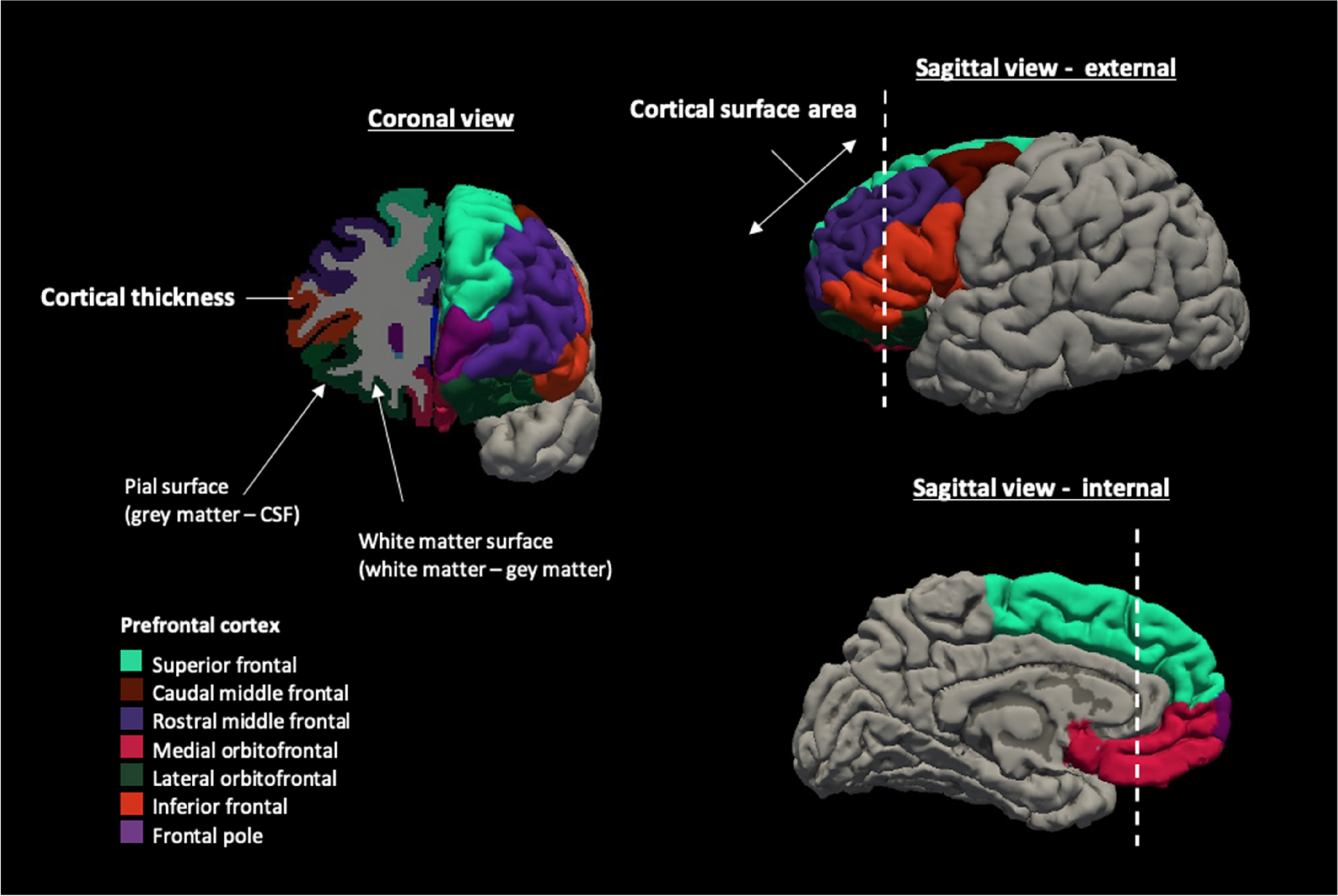
Children who were exposed to HIV in pregnancy showed differences in brain structure compared to children not exposed to HIV. Specifically, their brain cortex, particularly in the medial orbitofrontal region, was on average thicker than in children without HIV exposure. Secondly, children with HIV exposure had lower mean language scores compared to HIV-unexposed children, and the brain differences were linked to the lower language scores, Overall, the study found that differences in cortical brain structure in specific brain regions may partly explain the connection between HIV exposure and poor language outcomes.
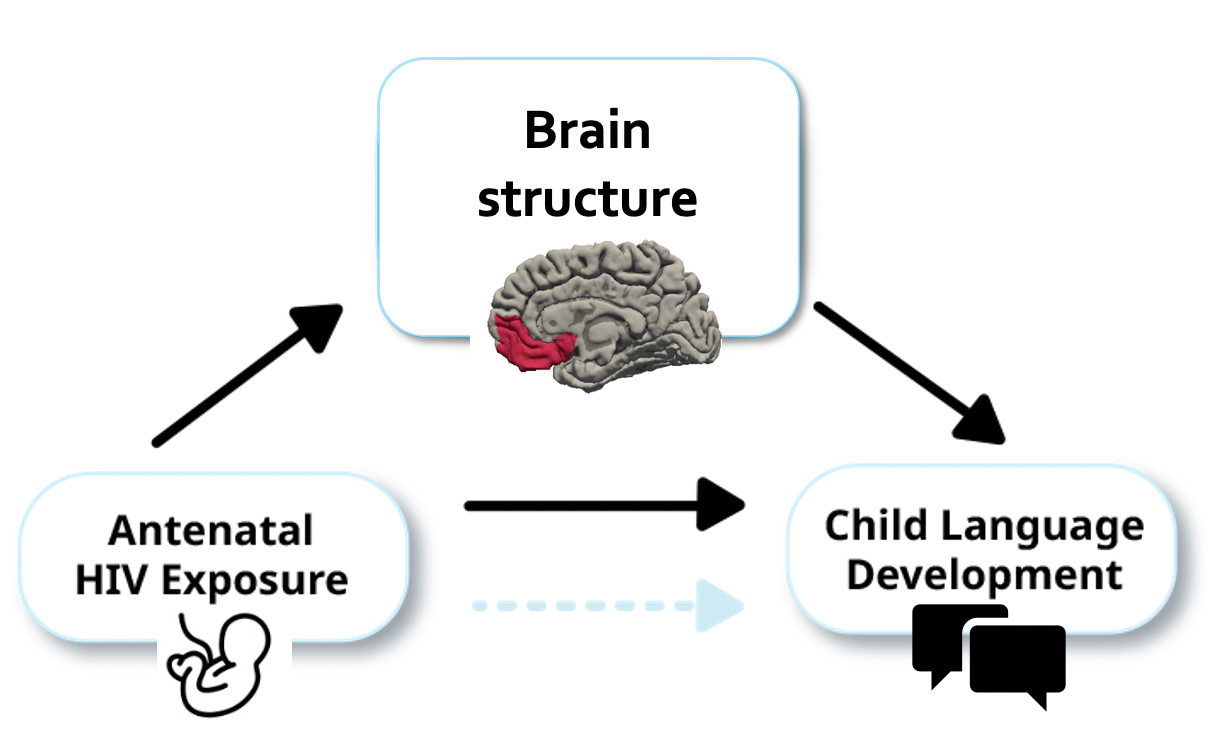
The main takeaway from this study is that HIV exposure in utero may impact early brain development and language function for some children. With over 16 million children worldwide who are HIV-exposed and uninfected, these findings may inform monitoring and intervention strategies to improve outcomes. Another recent study has shown that better maternal HIV care improves the child brain outcomes, which suggests ways to optimise neurodevelopment in the future. Finally, the study also highlights how brain development relates to language skills in all children.
References:
Gilmore JH, Knickmeyer RC, Gao W. Imaging structural and functional brain development in early childhood. Nat Rev Neurosci. 2018;19(3):123–37. DOI: 10.1038/nrn.2018.1
UNAIDS. AIDSinfo. Available from: http://aidsinfo.unaids.org
Wedderburn CJ, Subramoney S, Yeung S, Fouche JP, Joshi SH, Narr KL, et al. Neuroimaging young children and associations with neurocognitive development in a South African birth cohort study. Neuroimage. 2020;219:116846. DOI: 10.1016/j.neuroimage.2020.116846
Wedderburn CJ, Weldon E, Bertran-Cobo C, Rehman AM, Stein DJ, Gibb DM, et al. Early neurodevelopment of HIV-exposed uninfected children in the era of antiretroviral therapy: a systematic review and meta-analysis. Lancet Child Adolesc Health. 2022;6(6):393–408. DOI: 10.1016/S2352-4642(22)00071-2
Zar HJ, Barnett W, Myer L, Stein DJ, Nicol MP. Investigating the early-life determinants of illness in Africa: the Drakenstein Child Health Study. Thorax. 2015;70(6):592-4. DOI: 10.1136/thoraxjnl-2014-206242

Follow the Topic
-
BMC Medicine
This journal publishes outstanding and influential research in all areas of clinical practice, translational medicine, medical and health advances, public health, global health, policy, and general topics of interest to the biomedical and sociomedical professional communities.

📢 Introducing: # Mental Health
Mental Health is a Topic created to increase visibility and impact of research in this area and facilitate exchange amongst researchers.
Continue reading announcementRelated Collections
With Collections, you can get published faster and increase your visibility.
Challenges and opportunities in obesity treatment
BMC Medicine is calling for submissions to our new Collection on the challenges and opportunities in obesity treatment. As we advance our collective understanding of obesity treatment, future opportunities abound. Recent advances in pharmacotherapy, particularly with GLP-1 agonists and SGLT2 inhibitors, offer novel avenues for managing weight and metabolic health. The rise of telehealth provides new methods for delivering care and support. These technological advances facilitate ongoing engagement and accountability in weight management, especially for individuals in remote or underserved areas. Addressing the multifactorial nature of obesity requires a comprehensive strategy that considers biological, behavioral, and environmental factors. This Collection aims to foster discourse among researchers, clinicians, and policymakers about effective intervention strategies, while also considering the social determinants that contribute to obesity disparities.
Medications such as GLP-1 agonists and SGLT2 inhibitors have significantly changed the landscape of obesity treatment by facilitating weight loss or contributing to diabetes management, while also protecting various organ systems and reducing risks for other diseases. Emerging evidence points to potential other suitable indications of such medications, for instance in treating substance addiction. Such innovations highlight the potential of various obesity interventions to offer health benefits, although challenges in offering and maintaining these benefits remain.
Additionally, understanding health equity in obesity treatment is pivotal. Research has shown that socioeconomic status, education, and access to healthcare significantly influence individual and community health outcomes. The interplay between social determinants and obesity underscores the necessity of interdisciplinary approaches that bridge clinical research and public health perspectives.
To support sustained efficiency of treatment, emerging evidence investigates how behavioral science and effective obesity medicine can be integrated for maximum treatment effect and sustainability at scale. Research in nutrition continues to evolve, allowing for a more holistic approach to weight management, recognizing how the quality of food impacts overall health outcomes. Ongoing research is underway to better characterize how access to quality nutrition, characteristics of food environments and personalized nutrition strategies may optimize therapeutic interventions, potentially leading to more sustainable weight management solutions. Addressing nutritional barriers and enhancing food environments can further empower individuals to make healthier choices.
Physical activity remains a cornerstone in obesity treatment. The integration of structured exercise interventions alongside dietary changes enhances weight loss and overall health. However, barriers to physical activity, such as time constraints, safety concerns, and lack of access to suitable facilities, must be systematically addressed through community-wide initiatives and policy changes. Future research on innovative strategies to promote physical activity, exploring the use of technology and community engagement to motivate healthier lifestyles is invited.
Moreover, it is crucial to consider the long-term sustainability of obesity treatment approaches. The rise of telehealth can facilitate ongoing engagement and accountability in weight management, especially for individuals in remote or underserved areas. Future studies may explore the efficacy and challenges of digital platforms in delivering personalized interventions and the potential for remote monitoring to enhance adherence and outcomes.
This Collection invites contributions that explore these critical themes. Topics of interest include but are not limited to:
- Opportunities and challenges of pharmacological/surgical innovations for obesity, diabetes, cardiovascular disorders and other related non-communicable diseases (NCDs)
- Challenges and advantages in integrating behavioral science and pharmacological treatment
- Health equity in obesity management such as differences in treatment effects and access to obesity medications
- Access and barriers to physical activity and nutrition interventions
- Long-term sustainability of treatment approaches
- Telehealth and technology in obesity management
- Community-based approaches to obesity treatment
- Personalized treatment strategies
- Impact of obesity treatments on other health outcomes
All manuscripts submitted to this journal, including those submitted to collections and special issues, are assessed in line with our editorial policies and the journal’s peer review process. Reviewers and editors are required to declare competing interests and can be excluded from the peer review process if a competing interest exists.
This Collection supports and amplifies research related to SDG 3 (Good Health and Well-being) and SDG 10 (Reduced Inequalities).
Publishing Model: Open Access
Deadline: Mar 02, 2027
Cardiac immunity and inflammation
BMC Medicine invites submissions to a new Collection focused on the interplay between cardiac immunity and inflammation. We welcome original research, translational studies, and comprehensive reviews that elucidate the underlying mechanisms, clinical consequences, and therapeutic opportunities arising from immune-cardiac interactions. By highlighting the importance of this link, we aim to foster collaboration and advance our understanding of how to improve patient outcomes in heart disease.
The intersection of immunity and cardiovascular biology represents a transformative frontier in modern medicine. Recent studies have highlighted the role of immune responses in various heart conditions, including myocarditis, cardiac xenotransplantation, and heart failure. Inflammation is increasingly recognized as a contributing factor to the pathogenesis and residual risk factor of cardiovascular diseases. This Collection aims to explore the mechanisms by which immune responses influence cardiac function, the role of clonal hematopoiesis and heart disease, and the implications of such interactions for cardiac outcomes.
Understanding cardiac immunity and inflammation is crucial for developing more targeted therapies and accurate CVD risk prediction. Past advances provided insights into the inflammatory processes involving cardiovascular conditions, leading to innovative approaches for diagnosis and treatment. For instance, the identification of biomarkers such as C-reactive protein enhances our ability to assess inflammation in patients with cardiovascular disease. Furthermore, the intersection of cardio-oncology has opened new avenues for research into how cancer therapies influence cardiac immune responses, emphasizing the need for a multidisciplinary approach to patient management.
Continued research in this field holds promise for unveiling drug discovery targets and strategies to mitigate inflammation-related cardiac damage. As we deepen our understanding of the immune mechanisms at play, we may see the development of more clinically relevant models of human disease and precision medicine approaches tailored to individual patients. The integration of this knowledge with advancements in technology, such as biomarker discovery and imaging techniques, could revolutionize the way we approach cardiac care.
Topics of interest include (but are not limited to):
- Role of immunity in cardiovascular biomedicine
- Systemic and cardiac-specific inflammatory pathways
- Residual inflammatory risk, e.g. “SMuRF-less but inflamed”
- Cross-organ communication and immune crosstalk
- Structural and functional cardiac remodeling driven by inflammation
- Novel biomarkers and prediction models
- Clonal hematopoiesis
- Cardio-oncology & therapy-induced immune modulation
- The role of immunity in cardiac xenotransplantation including partial heart transplantation
- Exposome/environmental exposures
- Epigenetic regulation of cardiac immunity and inflammation
- Immune memory and trained immunity in cardiovascular contexts
- Multi-omics integration (epigenomics, transcriptomics, proteomics) in cardiac disease
All manuscripts submitted to this journal, including those submitted to collections and special issues, are assessed in line with our editorial policies and the journal’s peer review process. Reviewers and editors are required to declare competing interests and can be excluded from the peer review process if a competing interest exists.
This Collection supports and amplifies research related to SDG 3 (Good Health and Well Being).
Publishing Model: Open Access
Deadline: Feb 01, 2027