Behind the Paper: Exploring Soil Management Practices Among Swiss Arable Farms
Published in Ecology & Evolution, Agricultural & Food Science, and Economics







The top few centimetres of soil are crucial for crop production, yet they are also the most vulnerable to erosion. It can take centuries for 1 cm of soil to form, whereas erosion and compaction can counteract this process within one single heavy rainfall or tillage event . In agricultural systems across the world soils continue to degrade. In Switzerland, with its diverse landscapes, small-scale farming and a policy framework characterized by high levels of intervention and direct support payments, this is no different. But what is exactly behind this ongoing degradation and, most importantly, what can be done to prevent it?
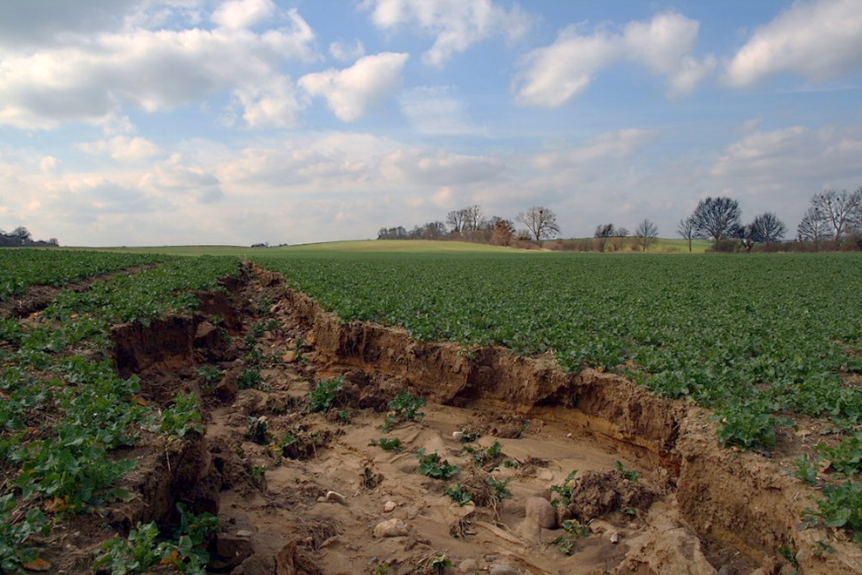
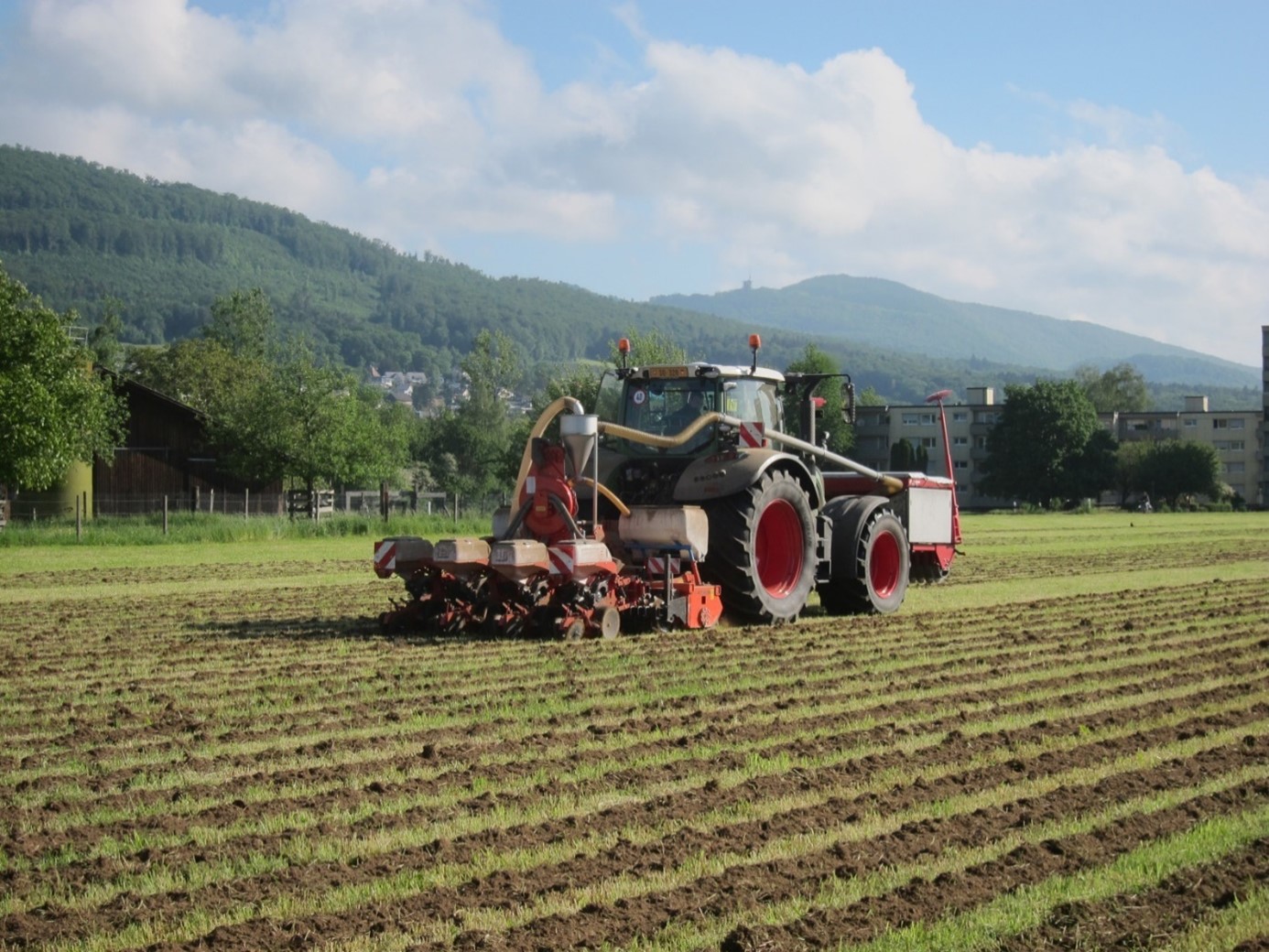
Soil erosion on arable field in the Swiss Valley region (FiBL).
In the context of the Horizon Europe Project “InBestSoil”, our team set out to explore this question, not by measuring soil health directly, but by focusing on the decisions behind soil health and on the farmers taking these decisions. While much attention has been paid to the technical aspects of soil health, we believe that lasting change requires a deeper understanding of the behavioural and structural factors that shape the choice of soil management strategies on the ground.
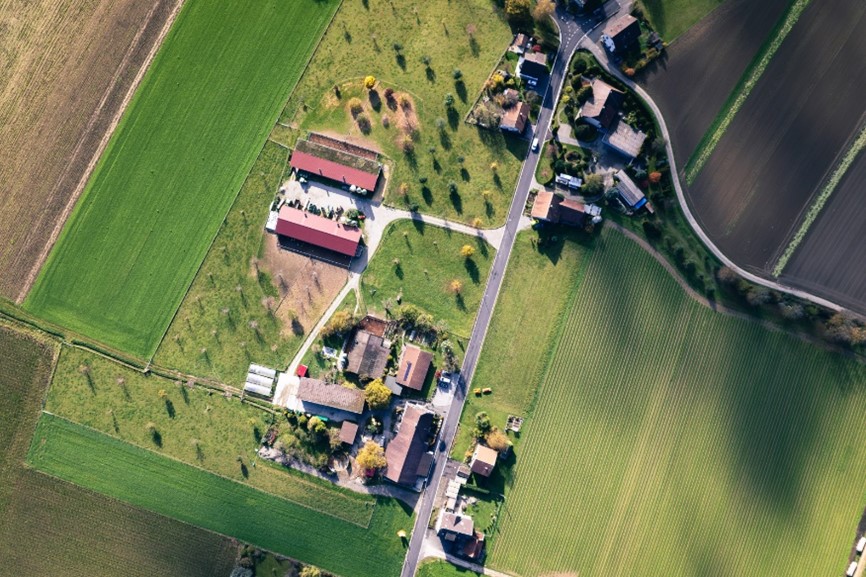
In late 2023, we launched a large-scale nationwide survey among Swiss arable farms, reaching 15,023 farmers, from whom we received 2,728 responses. With this broad coverage, our findings are no longer limited to individual case studies but provide a representative picture of soil management practices across Swiss arable farming.
The response rate of 18% is substantial for an online survey and reflects the genuine interest of farmers in the subject. Participation was likely facilitated by two factors: the possibility of receiving a financial incentive through a voucher lottery, and the limited time required, with an average completion of under 25 minutes. The strong engagement of farmers allowed us to generate a comprehensive and representative dataset capturing both the "what" and the "why" of soil management practices during the 2022/2023 season: Which practices are being used? How long have they been used for? How confident are farmers in applying them? And what motivates or discourages their decisions?
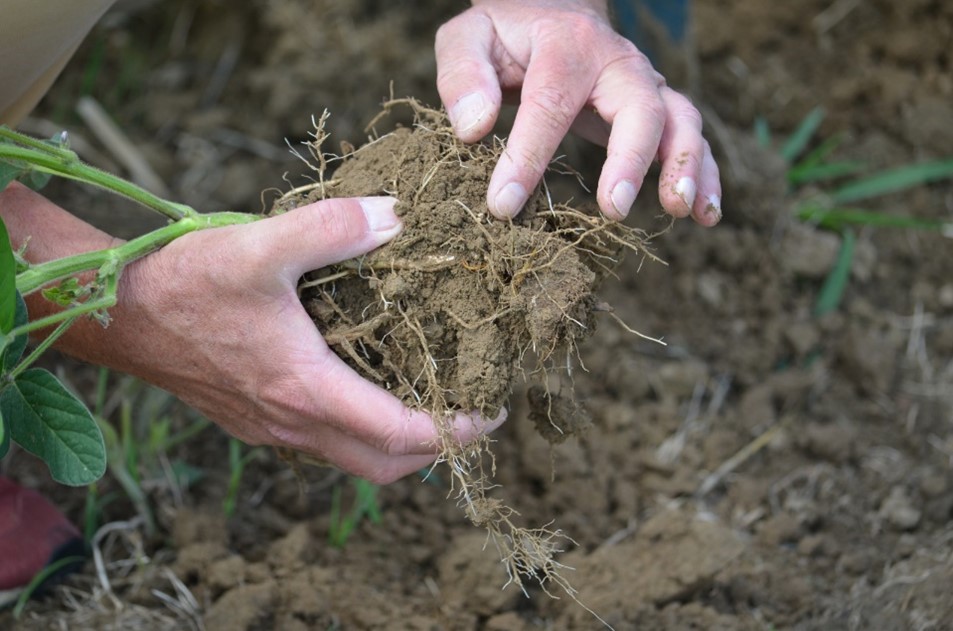
The survey responses resulted in a rich, multi-layered dataset covering:
- Farmer and farm characteristics, such as age, gender, experience, labour availability, farm size and participation in agri-environmental schemes (AES);
- Management practice data for 12 soil-relevant arable soil management techniques, including years of use, adoption extent, perceived competence and peer prevalence;
- Farmer perspectives on soil health priorities and perceived challenges in agricultural production;
- Production data for a subset of farms cultivating milling wheat, including input use and yields.
While the survey covered arable farms across almost all of Switzerland, with the exception of Ticino, the unique strength of this dataset lies in the fact that we enriched the information from the survey with plot-level census data on weather, soil type and crop rotations. This makes it possible to establish a link between farmers practices and the environmental context in which they operate, which is often lacking in farm census data.
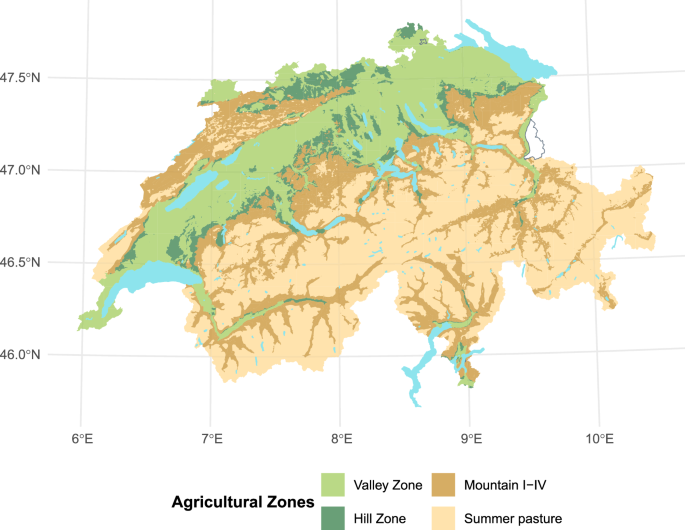
Most of the survey responses came from Switzerland’s valley regions, where arable production is most common due to favourable climatic and topographic conditions.
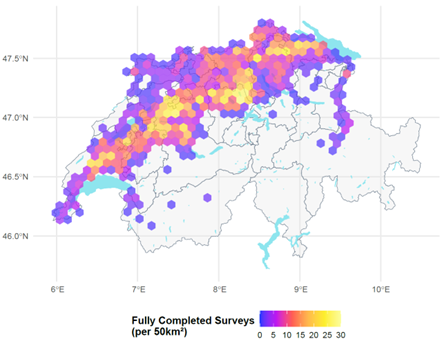
with the highest response rates in the Swiss valley zone (FiBL, Lorin Ineichen).
Just the beginning
This dataset is just a starting point for understanding the complexity of soil management decisions in real-world agricultural systems at national levels. While it captures a detailed snapshot of current practices and farmer perspectives in Switzerland, it also raises new questions: How do perceptions of soil health develop over time? What role do social networks, advisory services or market pressures play in shaping management choices? What are the main drivers that determine the adoption of soil health measures in the field? And how can policies be designed to better support the integration of a wide spectrum of diverse soil protection measures?
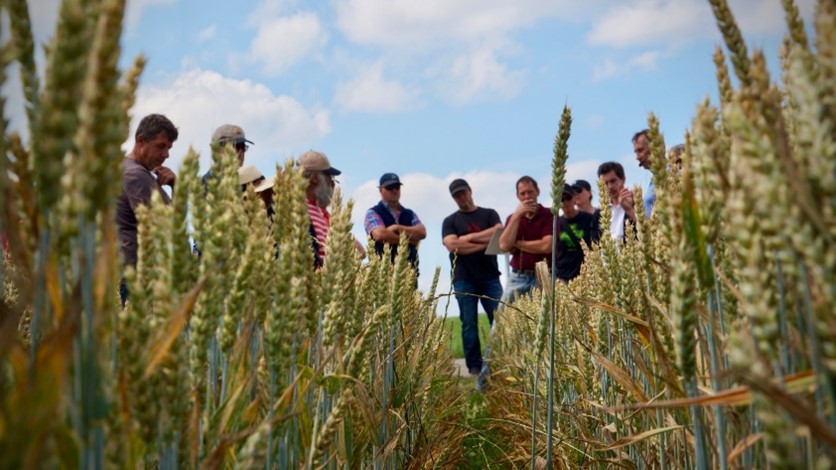
By making this dataset available to the wider research community, we hope to encourage further analysis, re-use of the data, replication across regions, and integration with other data sources. This shall ultimately contribute to a more systems-based understanding of sustainable soil management. The findings will not only support researchers and policymakers working on soil governance but also create new avenues to design more effective, farmer-centred strategies for sustainable soil management.
We hope this dataset will foster collaboration across disciplines from agronomy and environmental science to behavioural economics and rural sociology. Most of all, we hope it helps to close the gap between knowing what soil needs and understanding what farmers need to deliver it. We very much thank the farmers who took the time to take part in the survey for their contribution, we were inspired by their responses, engagement and enthusiasm for the topic!
Follow the Topic
-
Scientific Data
A peer-reviewed, open-access journal for descriptions of datasets, and research that advances the sharing and reuse of scientific data.

Related Collections
With Collections, you can get published faster and increase your visibility.
10 years of the FAIR principles
Publishing Model: Open Access
Deadline: Nov 14, 2026
Data to support cancer treatment, diagnosis, and disease understanding
Publishing Model: Open Access
Deadline: Jan 02, 2027