Behind the Paper: Hepatitis B discrimination: global responses requiring global data
Published in Social Sciences, Microbiology, and General & Internal Medicine





Explore the research:
Over 250 million people worldwide live with chronic hepatitis B, yet most remain undiagnosed and at risk for liver disease. Improving testing, linkage to care, and access to treatment is essential to reduce the burden of hepatitis B and achieve global elimination goals. As countries continue efforts to improve diagnosis and care, it is equally important to understand the psychological and social consequences of a hepatitis B diagnosis—particularly the impact of stigma and discrimination.
Discrimination related to hepatitis B is defined as unjust, unfair, or prejudicial treatment based on a person’s hepatitis B status. Stigma, on the other hand, is a social process—either experienced or anticipated—characterized by exclusion, rejection, blame, or devaluation resulting from perceived or expected negative social judgment.
To better understand and document these issues, this study explores the lived experiences of people with hepatitis B around the world. It focuses on the types, contexts, settings, and locations of discrimination, as well as the impact such experiences have on individuals and efforts to eliminate hepatitis B.
What inspired this study?
The Hepatitis B Foundation operates a consultation line where individuals with lived experience, as well as their family members and caregivers, can ask questions and share their stories. Between 2019 and 2021, the Foundation began receiving a growing number of reports of discrimination from individuals living with hepatitis B.
To better understand and address these concerns, the Foundation conducted stakeholder interviews with key opinion leaders and experts in the field. Based on insights from these conversations, researchers recognized the need to document and track experiences of discrimination more systematically and to develop advocacy recommendations for change.
In May 2021, the Foundation launched a discrimination registry to provide individuals affected by hepatitis B–related discrimination with a platform to share their experiences and access support resources. This study presents findings and insights gathered from the registry to inform ongoing advocacy and support efforts.
Why is it important?
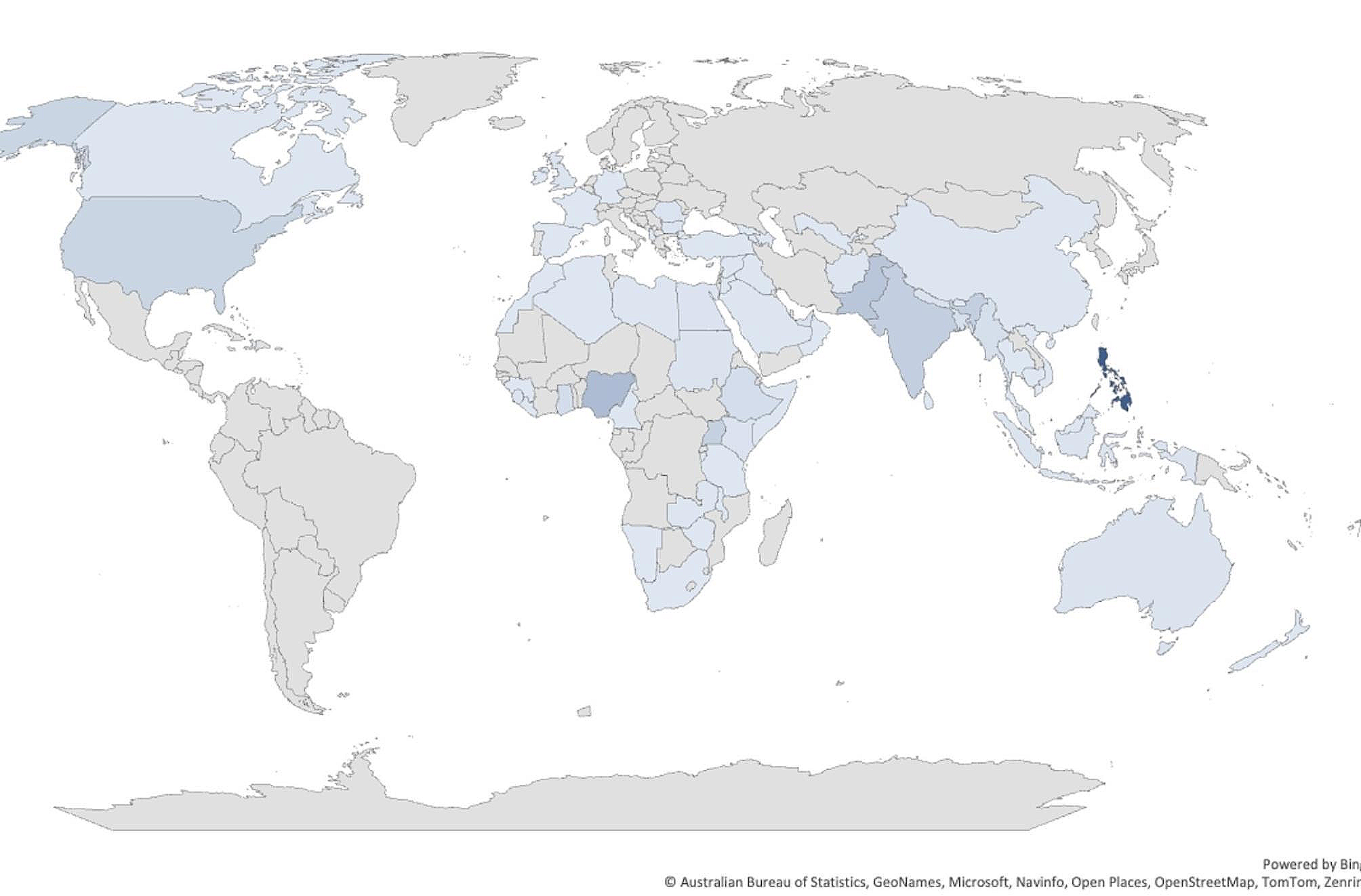
This study is the largest collection to date of hepatitis B–related discrimination experiences, revealing that such discrimination is a global issue occurring in employment, education, healthcare, and personal relationships. In countries like Saudi Arabia and Pakistan, premarital hepatitis B screening often results in rejected marriage prospects and social exclusion, underscoring how deeply rooted this stigma can be.
Many individuals reported being tested without consent and denied opportunities to work, study, or form relationships—leading to emotional distress, social isolation, and poorer health outcomes. Discrimination also creates economic barriers, forcing individuals to prioritize survival over care and treatment.
A major driver of this discrimination is a widespread lack of knowledge about hepatitis B, even among healthcare providers. Misinformation about transmission and disease progression fuels fear and stigma, highlighting the urgent need for education at both the community and professional levels.
While some countries have anti-discrimination policies, enforcement is inconsistent. As global testing efforts expand to meet hepatitis B elimination goals, there is a critical ethical need to ensure protective measures are in place.
This research underscores the need for stronger policies, education, and supportive services to protect people living with hepatitis B and help them lead full, healthy lives free from discrimination.
What makes this study unique?
This study is unique in that it captures lived experiences of hepatitis B–related discrimination from a global perspective. Patient-reported outcomes—particularly stigma and discrimination—are often overlooked in discussions about hepatitis B. Understanding these personal experiences is essential to developing effective protections, reducing the negative consequences of discrimination, and supporting those affected by the disease.
What is the wider significance of the study findings?
As we approach World Hepatitis Day this year (July 28, 2025), it is important to acknowledge the impact that hepatitis B has globally and account for programming that involves those with lived experience to improve outcomes. Efforts should prioritize mitigating the negative consequences associated with infection and work towards developing public health interventions that address stigma and discrimination including policy measures that prevent discrimination from occurring.
References:
- Hepatitis B Foundation Discrimination Registry. https://www.hepb.org/resources-and-support/hepatitis-b-foundations-discrimination-registry/
- Freeland, C., Qureshi, A., Wallace, J. et al.Hepatitis B discrimination: global responses requiring global data. BMC Public Health 24, 1575 (2024). https://doi.org/10.1186/s12889-024-18918-8
- Freeland C, Mendola L, Cheng V, Cohen C, Wallace J. The unvirtuous cycle of discrimination affecting people with hepatitis B: a multi-country qualitative assessment of key-informant perspectives. Int J Equity Health. 2022;21(1):1–10. https://doi.org/10.1186/s12939-022-01677-6.
- Tu T, Block JM, Wang S, Cohen C, Douglas MW. The lived experience of chronic hepatitis B: a broader view of its impacts and why we need a cure. Viruses. 2020;12(5):1–20. https://doi.org/10.3390/v12050515.

Follow the Topic
-
BMC Public Health
An open access, peer-reviewed journal that considers articles on the epidemiology of disease and the understanding of all aspects of public health.

Related Collections
With Collections, you can get published faster and increase your visibility.
Monitoring, preventing, and managing type 2 diabetes
BMC Public Health is calling for submissions to our Collection on Monitoring, preventing, and managing diabetes at the population level. With rates of type 2 diabetes rising globally, especially in low- and middle-income countries and underserved communities, prevention strategies are critical. As the disease progresses people with diabetes are at increased risk of complications such as cardiovascular and kidney diseases, neuropathy and visual loss.
This Collection seeks submissions that explore population-level approaches to monitoring rates of diabetes, preventing or delaying the development of type 2 diabetes, and system-wide efforts to improve the management of the disease and reduce rates of complications, with a focus on improving health outcomes and reducing healthcare burdens.
Submissions are encouraged on primary prevention initiatives and culturally adapted, community-level interventions to reduce the risk of diabetes. Research aimed at improving systems for monitoring rates of diabetes and its complications through routinely-collected health data, or for improving management by enhancing patient engagement with healthcare systems or better identifying those in need, are encouraged. Research on diabetes education and support systems is also welcomed, with a focus on empowering individuals to adopt and sustain healthier lifestyles and avoid known causes of diabetes.
Additional topics of interest include (but are not limited to):
Access to healthcare and diabetes management
The impact of food insecurity on diabetes outcomes
Community-based interventions for low-income populations
Interventions to reduce exposure to environmental causes of diabetes
Financial barriers to diabetes medication and treatment
Housing instability, employment status and type 2 diabetes
Health literacy, poverty, and diabetes management
Policies to reduce poverty-related health disparities in diabetes
This Collection supports and amplifies research related to SDG 3: Good Health & Well-Being.
All manuscripts submitted to this journal, including those submitted to collections and special issues, are assessed in line with our editorial policies and the journal’s peer review process. Reviewers and editors are required to declare competing interests and can be excluded from the peer review process if a competing interest exists.
Publishing Model: Open Access
Deadline: Oct 16, 2026
Digital exclusion and health equity
Digital exclusion poses significant barriers to health equity, particularly in the context of an increasingly technology-driven healthcare landscape. Many individuals, especially from underserved communities face challenges in accessing digital health resources, including telehealth services, electronic health records, and health information online, alongside challenges from other social determinants of health. This Collection seeks to explore the intersection of digital health access and health equity, focusing on the disparities that arise from unequal access to digital tools and resources.
Addressing digital health exclusion is critical for promoting health equity and ensuring that all individuals can benefit from advancements in digital health. Recent strides in telehealth and digital health interventions have demonstrated the potential for technology to improve access to care, yet they also reveal significant disparities that must be acknowledged. By understanding the factors that contribute to eHealth disparities, we can develop targeted digital inclusion strategies that address the unique needs of diverse populations, ultimately fostering a more equitable health system.
Topics for submission include but are not limited to:
- Equitable digital health systems: policy, infrastructure, and community engagement
- Digital health access among underserved communities
- Digital literacy and health outcomes across diverse populations
- Innovations and implementation strategies for bridging digital health gaps in underserved communities
- Measuring and monitoring digital health disparities: metrics and methodologies
This Collection supports and amplifies research related to SDG 3 (Good Health and Well Being) and SDG 10: (Reduced Inequalities).
All manuscripts submitted to this journal, including those submitted to collections and special issues, are assessed in line with our editorial policies and the journal’s peer-review process. Reviewers and editors are required to declare competing interests and can be excluded from the peer review process if a competing interest exists.
Publishing Model: Open Access
Deadline: Dec 11, 2026