Behind the paper: Understanding how heat stress shapes gut microbiota and immunity in freshwater fish
Published in Ecology & Evolution, Microbiology, and Zoology & Veterinary Science



Our research began from a shared curiosity about how environmental stressors shape biological resilience in aquatic ecosystems, particularly in wild freshwater fish. This study reflects a collaborative journey between a doctoral student and her supervisor, built on a shared commitment to understanding how environmental stressors shape biological systems.
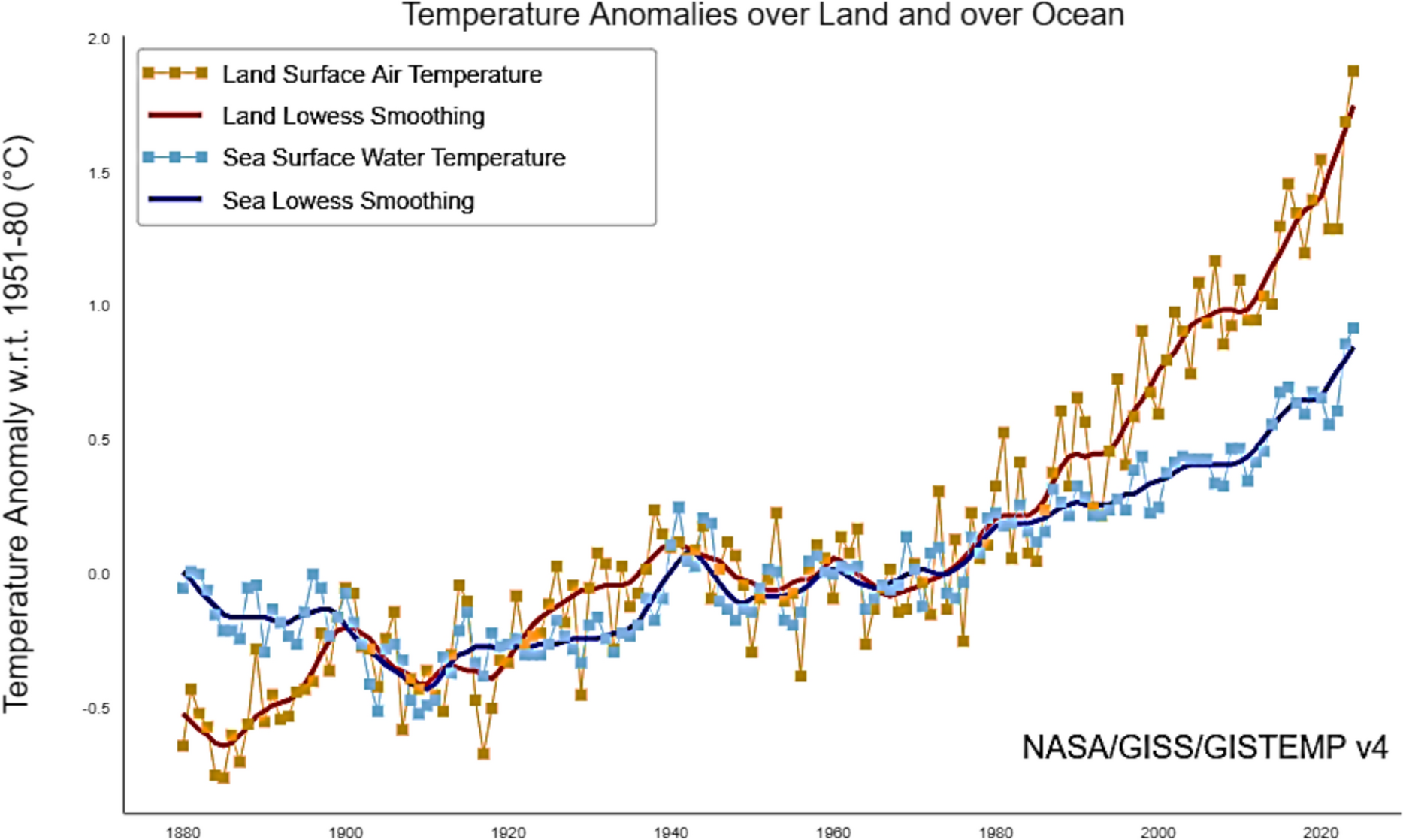
From the outset, our focus was to explore how rising temperatures influence biological systems in wild freshwater fish, a topic that aligns closely with both the doctoral research direction and broader concerns related to climate change.
Our collaboration has been based on a continuous exchange of ideas, where guidance and independent inquiry complemented each other. The doctoral process involved not only the systematic collection of information, but also critical analysis and integration across multiple fields, including microbiology, immunology, and aquatic ecology. This approach allowed the research to evolve into a comprehensive synthesis rather than a simple review.
We approached this work not only as a literature synthesis, but as an opportunity to integrate fragmented knowledge across disciplines - microbiology, immunology, and fish ecology - into a coherent framework.
One of the main challenges we encountered was the heterogeneity of available studies. Data on gut microbiota, immune responses, and heat stress are often studied independently, using different methodologies and model species. Bringing these elements together required careful selection, validation, and interpretation of results. This process highlighted both the complexity of biological responses and the need for interdisciplinary approaches.
At the same time, this challenge became a strength of our study. By systematically analyzing and connecting these domains, we were able to identify consistent patterns: heat stress disrupts microbial balance, which in turn influences immune function and overall fish resilience. These insights are particularly relevant in the context of climate change, where rising temperatures increasingly affect freshwater ecosystems.
Beyond the scientific findings, this work reflects the importance of collaboration and mentorship in research. The continuous exchange of ideas, constructive feedback, and shared commitment to quality allowed us to transform an initial research question into a comprehensive and meaningful contribution.
Ultimately, this study is not only about understanding how fish respond to thermal stress, but also about emphasizing the need to consider host–microbiota interactions as a key component of ecological resilience. It also underscores the value of mentorship, dialogue, and shared scientific vision in advancing research and we hope that our work will contribute to future research directions and support the development of more integrated approaches in aquatic science.
Follow the Topic
-
Hydrobiologia
Hydrobiologia is a peer-reviewed journal that investigates the biology of freshwater and marine environments, including the impact of human activities.