Bio- and Phytoremediation: A Symbiotic Solution for Heavy Metal-Polluted Soils
Published in Bioengineering & Biotechnology, Ecology & Evolution, and Agricultural & Food Science
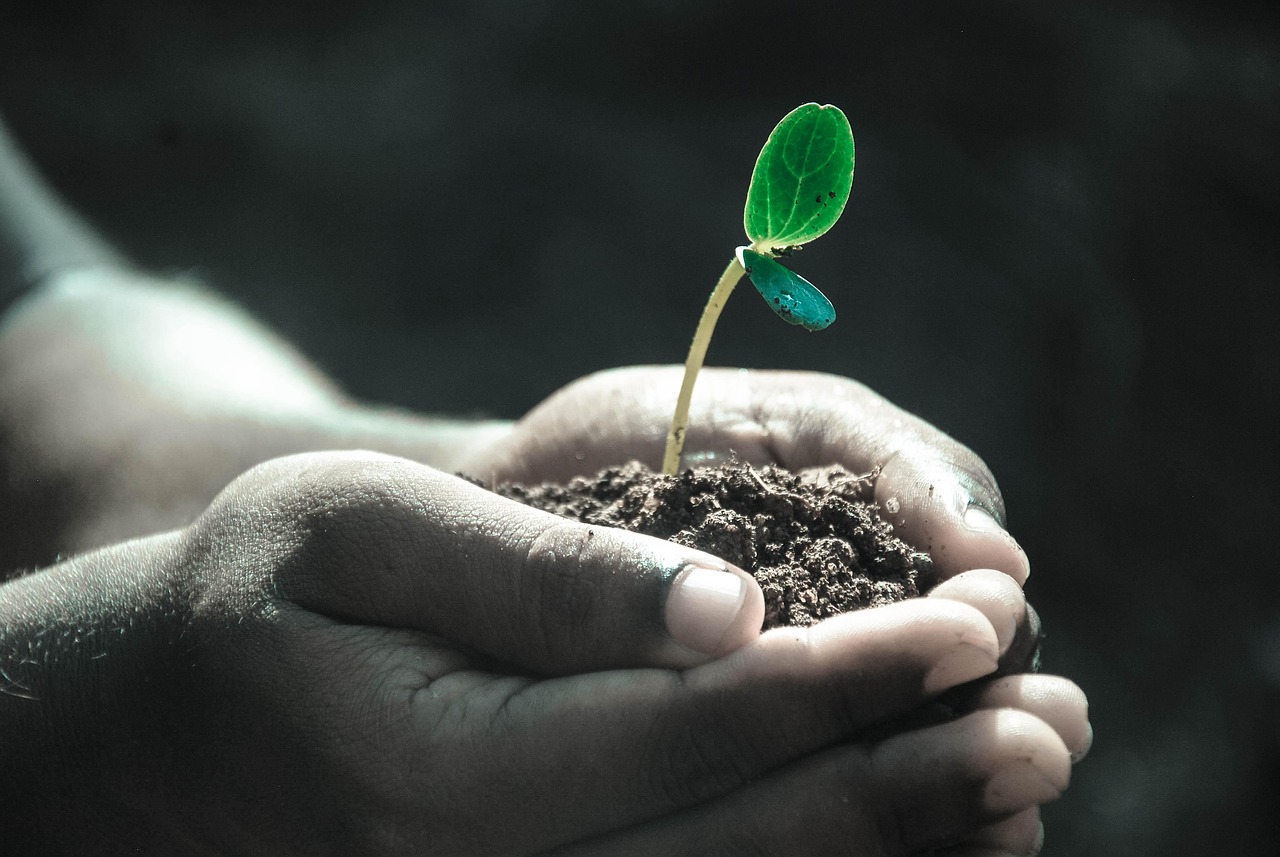


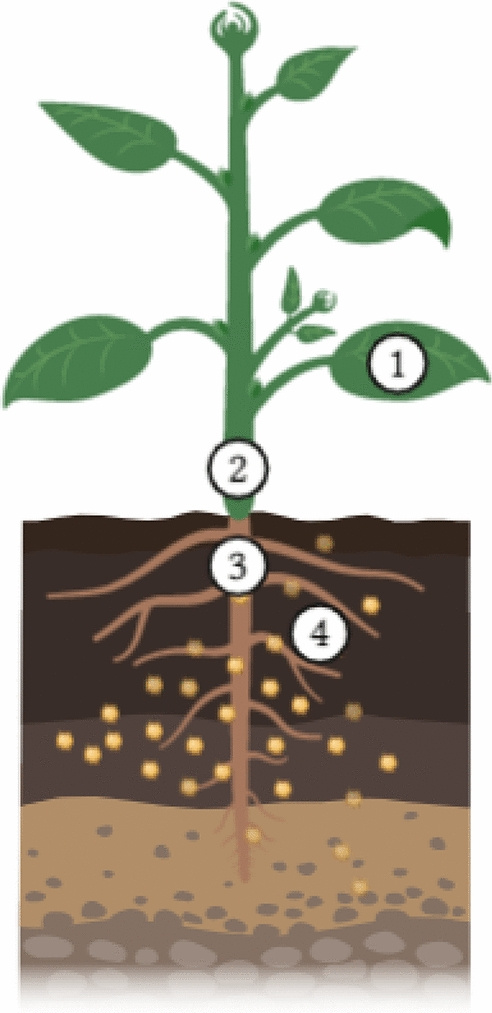

Did you know that certain plants and microorganisms have natural superpowers to clean up soils polluted with heavy metals like lead, cadmium, or mercury? This review explores the fascinating world of bio- and phytoremediation, where hyperaccumulating plants and metal-resistant microbes join forces to detoxify contaminated environments. From rhizoremediation to genetic engineering and microbial teamwork, discover the future of sustainable, living clean-up technologies.
In the face of growing heavy metal contamination in soils due to industrial and agricultural activities, sustainable solutions are urgently needed. This review, published in SN Applied Sciences, presents a comprehensive overview of bio- and phytoremediation—eco-friendly strategies that harness the natural abilities of hyperaccumulating plants and metal-resistant microorganisms to remediate polluted environments.
The article explores the physiological and molecular mechanisms employed by these organisms, including biosorption, phytostabilization, bioaccumulation, and chelation. Special attention is given to Plant Growth-Promoting Microorganisms (PGPMs) such as Pseudomonas fluorescens, Bacillus subtilis, and Rhizobium spp., which play a critical role in enhancing plant tolerance and metal uptake efficiency.
The review also highlights the potential of native Mexican plants like Ricinus communis (castor bean), Helianthus annuus (sunflower), and Prosopis laevigata (mesquite), recognized for their high biomass and tolerance to heavy metals such as cadmium, lead, and zinc. On the microbial side, key species such as Cupriavidus metallidurans and Pseudomonas putida exhibit genetic adaptations for metal detoxification, making them prime candidates for rhizoremediation systems.
Finally, the study envisions next-generation remediation approaches incorporating genetic engineering, nanotechnology, and biochar amendments, paving the way for more efficient, targeted, and sustainable bioremediation technoly.

Read the full article here: https://doi.org/10.1007/s42452-021-04911-y

Dr. Grisel Fierros-Romero is a researcher and academic leader specializing in environmental microbiology, marine microbiology, biotechnology, and bio-nanotechnology. Currently, she leads advanced research projects on marine microbiology and microbial ecology. Her research focuses on understanding the interactions of micro-predators, such as predatory bacteria, protists, and viruses, and their critical role in the microbial loop.
Follow the Topic
-
Discover Applied Sciences
This is a multi-disciplinary, peer-reviewed journal for the disciplines of Applied Life Sciences, Chemistry, Earth and Environmental Sciences, Engineering, Materials Science and Physics, fostering sound scientific discovery to solve practical problems.

Related Collections
With Collections, you can get published faster and increase your visibility.
Engineering: Artificial Intelligence and Internet of Things for Smart Healthcare and Well-Being
This Collection explores the integration of Internet of Things (IoT) technologies with Artificial Intelligence (AI) and Machine Learning (ML) methods for advancing healthcare, remote monitoring, rehabilitation, and assistive systems. With the rapid expansion of wearable devices, sensing platforms, and connected infrastructures, IoT-driven healthcare provides unique opportunities for early diagnosis, personalized therapy, and improved quality of life. The Collection aims to bring together research on novel algorithms, sensing technologies, system architectures, and clinical applications that leverage IoT and AI to address challenges in scalability, data security, usability, and clinical validation. It seeks to highlight both theoretical advances and practical implementations across diverse medical and health-related domains.
This Collection supports and amplifies research related to SDG 9, SDG 11 and SDG 13.
Keywords: Rehabilitation technology; Wearable Sensors; Assistive devices; Machine Learning; Rehabilitation; Data Security; Artificial Intelligence (AI); Internet of Things (IoT)
Publishing Model: Open Access
Deadline: Feb 28, 2027
Engineering: Machine Learning, AI, and Deep Learning Applications in Microwave Engineering: Devices and Communication
This Topical Collection is dedicated to highlighting the application of Machine Learning (ML), Artificial Intelligence (AI) and Deep Learning (DL) in the field of Microwave Engineering: Devices and Communication. It will concentrate on AI/ML/DL approaches in Microwave Engineering, which includes new breakthroughs, design and performance techniques of various Microwave Devices like Antennas, Filters, Couplers etc. Starting with single/multiband antennas, this topical collection will showcase the application of AI/ML/DL in the design and/or performance features of wideband to super wideband antennas including Multiple-Input-Multiple-Output (MIMO) antenna structures suited for wireless communication.
It will also focus on the use of AI/ML/DL in various aspects of Terrestrial and/or Satellite-based Microwave Communication: Processes, Algorithms and Protocols.
Publishing Model: Open Access
Deadline: Dec 31, 2026