Charting New Waters: The First Clinical Trial on the Effects of Drinking Water Quantity and Quality
Published in Sustainability and Biomedical Research








The Hydration Gap
Despite its vital role in sustaining human life, hydration remains curiously overlooked and neglected in medical research and science. While nutrition has evolved into a complex field of study, with nutrients and metabolism thoroughly charted, water as our most essential nutrient is generally only briefly addressed. Clinical guidelines reference fluid intake, but evidence-based as well as individualized approaches to hydration remain absent from most therapies in health care.
There are major gaps in knowledge related to the measurement of total fluid intake and hydration status at the population level; there are also few longer-term systematic interventions and no published randomized, controlled longer-term trials.
— Popkin et al. (2010), Nutrition Reviews
What we refer to as a “hydration gap” highlights a critical and persistent blind spot, especially in areas such as cardiology, nephrology, sports performance, rehabilitation, and geriatrics, where precise hydration monitoring is of the essence.
Water homeostasis is particularly relevant for patients recovering from a critical illness, as these individuals often leave the Intensive Care Unit in a fragile state, navigating tough emotional, cognitive and metabolic challenges. In such a critical period, could hydration offer us something deeper than just routine care?
The Twin Question of Hydration Research
If we want to quench our thirst for knowledge, hydration research must face two essential questions: How much water do we truly need? And does the type of water we consume matter? Our study explores both aspects in a controlled clinical setting, based on a simple yet unexplored research question. Can the quantity and quality of drinking water influence recovery after critical illness?
Hydration regimens in our study are personalized using an algorithm based on individual physiology and environmental parameters. At the same time, participants receive either a particular type of artesian spring water, which is naturally rich in oxygen, low in sodium, and drawn from a protected aquifer, or a standard mineral water. While both are certified under European safety standards, they differ in mineral composition and purity, allowing for observations on whether water chemistry affects inflammation, neurological recovery, and metabolic function.
In studying critically ill patients, we are exploring the possibility that optimal hydration goes beyond volume control alone. What impact may the delivery of a specific drinking water in individualized volumes have on recovery at both the cellular and systemic level in this vulnerable population?
The Undercurrent
WAVES (ISRCTN55840708) is a multicenter, interventional clinical trial investigating how hydration quality and quantity affect recovery after critical illness. The study is conducted across two specialized neurorehabilitation centers in Germany, Schön Klinik Bad Aibling and Schön Klinik Hamburg Eilbek.
The primary objective is to assess whether tailored hydration regimens affect recovery parameters (i.e., Barthel Index Scores) compared to consumption ad libitum, while the secondary objective examines whether artesian spring water demonstrates additional benefits compared to standard drinking water.
Participants take part in a four-week inpatient intervention during standard early neurorehabilitation therapy, thereby targeting the critical early phase of recovery. The study uses a randomized, triple-blind, 2:2 parallel-group design with a 1:1:1:1 allocation ratio and block randomization to reduce bias and ensure balance across groups.
Hydration plans are personalized using a formula based on age, gender, body metrics, activity level, and climate, factors known to influence fluid needs. Plans are adjusted weekly integrating clinical guidelines and participant data (i.e., bioimpedance, blood tests), allowing for equally responsive and evidence-based recommendations.
While all participants are monitored for their hydration status, only the active comparator groups receive structured fluid targets to test the impact of individualized care. Fluid intake is tracked using smart bottles and an electronic data capture system, facilitating accurate, real-time monitoring and adherence tracking.
Recovery parameters are evaluated holistically, including global function (Barthel Index, EQ-5D-5L), emotional wellbeing (Hospital Anxiety and Depression Scale, EQ-5D-5L), cognition (Montreal Cognitive Assessment), and physical health (Physical Examination, Vital Signs, Bioimpedance Body Water Measurement, Thirst Levels, DEGS1 Food Frequency Questionnaire, Dynamometry, 2 Minute Walk Test, PROMIS Sleep Disturbance, Fatigue Severity Scale, Brief Pain Inventory).
By combining clinical outcomes with biomarker analysis, the study offers a comprehensive view of how both the amount and quality of water influence recovery following critical illness.
A New Compass
As a one-of-a-kind and first-of-its-kind study, this randomized clinical trial evaluates both water quantity and quality in the sense of personalized adjunct treatments in a rehabilitation setting. We believe our study introduces a new compass for hydration science. It consists of four key components, namely personalized hydration algorithms, digital tracking of fluid intake, biochemical analysis of water quality, and biomarker integration that connects hydration behavior to biological outcomes.
Hydration is often assumed to be “neutral” in clinical care, necessary but inert. Our study challenges this assumption, investigating drinking water as a natural, low-risk, cost-effective therapeutic element that could complement existing treatments. Specifically, hydration may become an integral building block stabilizing the evolving frameworks of both preventive and therapeutic precision medicine.
Making Waves
With the herein presented pilot trial, we may be able to determine in which way both the amount and the type of water we drink affect human health. Beyond the feasibility phase, this study could reshape how hydration is understood in both clinical and everyday settings.
Given the limited evidence on hydration protocols and practices, investigating how both the quantity and quality of drinking water affect recovery may yield valuable insights into the role of hydration in clinical care. Should meaningful effects be observed, the findings could support the development of more targeted interventions. Should no such effects emerge, the study will still provide clarity and help refine future research in this largely unexplored field.
By addressing the twin question of hydration research, we can begin to close the hydration gap. This study is our attempt to chart these waters, and to create waves that carry from science all the way to personal and public health.
Contributions
This work is co-authored by Dr. Nathalie Busse and Simon Göbel.
The study is led by Principal Investigator Prof. Dr. Klaus Jahn. The study site in Hamburg Eilbek is led by Daniel Wertheimer.
Significant contributions to the study are made by Dr. Marion Egger, Dr. Barbara Schwencker, Judith Reitelbach, Jennifer Hartl, Maria Schlutt, and Julian Ludwig at Schön Klinik Bad Aibling, and by Dr. Barbara Zerfass, Dr. Jürgen Lambrecht, Anke Sagasser, and Meike Röhl at Schön Klinik Hamburg Eilbek.
Image Credits
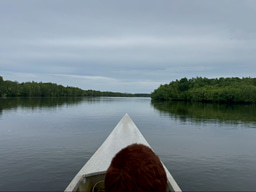
Waves. Illustration by Dr. Nathalie Busse and Simon Göbel. Please request permission before any use or reproduction.
References
Popkin BM, D’Anci KE, Rosenberg IH. Water, hydration and health. Nutr Rev. 2010;68(8):439-458. doi:10.1111/j.1753-4887.2010.00304.x.
Sawka MN, Cheuvront SN, Carter R III. Human water needs. Nutr Rev. 2005;63(6 Pt 2):S30-S39. doi:10.1111/j.1753-4887.2005.tb00152.x.
Yamada Y, Zhang X, Henderson MET, et al. Variation in human water turnover associated with environmental and lifestyle factors. Science. 2022;378(6622):909-915. doi:10.1126/science.abm8668.
Follow the Topic
-
ISRCTN: The UK’s Clinical Study Registry
A primary clinical trial registry recognised by WHO and ICMJE that accepts studies involving human subjects or populations with outcome measures assessing effects on human health and well-being, including studies in healthcare, social care, education, workplace safety and economic development.