Distinguishing Naturally Seeping Hydrocarbon Gases from Anthropogenic Emissions
Published in Earth & Environment and Ecology & Evolution

Challenge: Discerning Naturally Seeping Gases from Anthropogenic Emissions
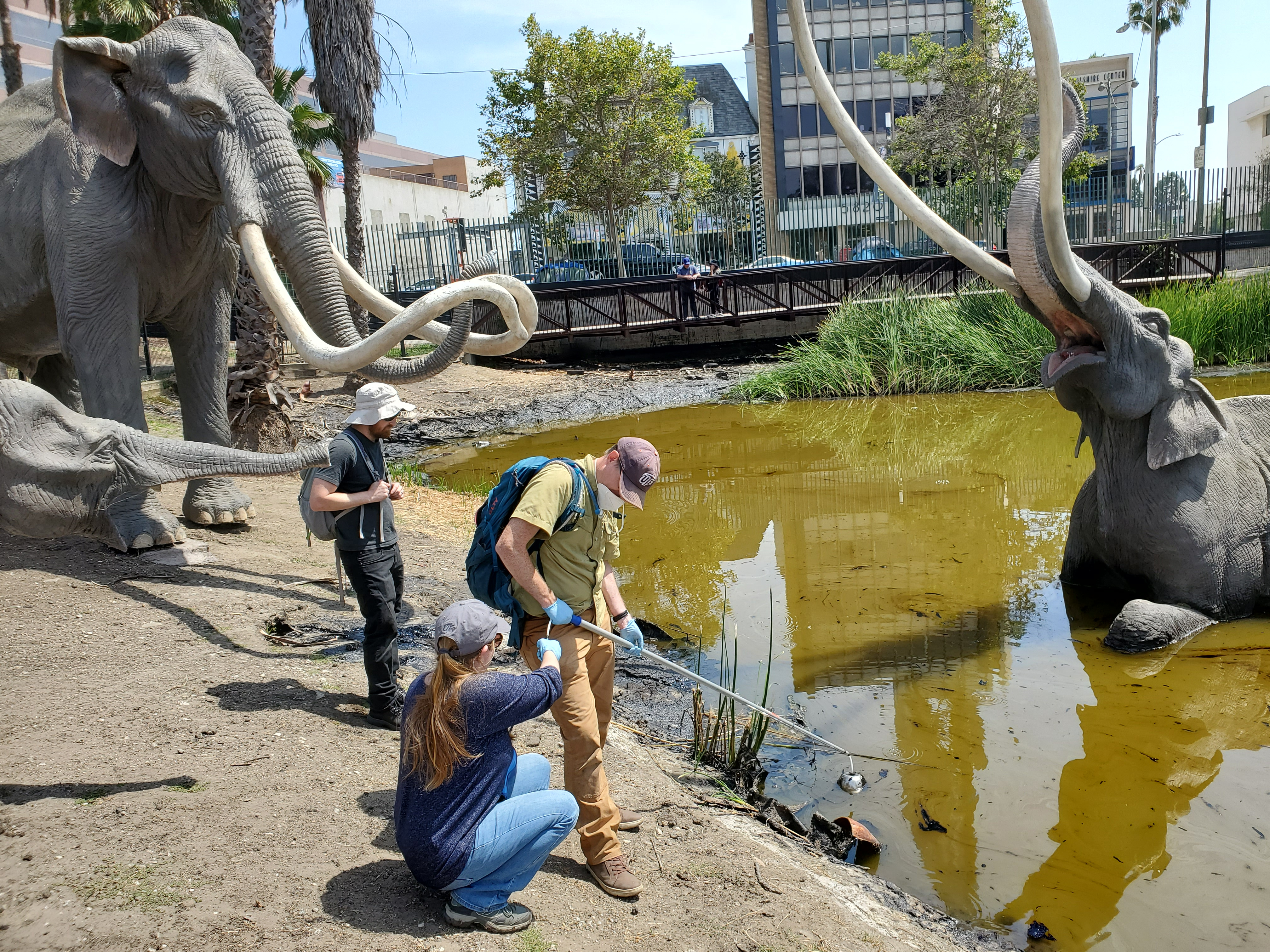
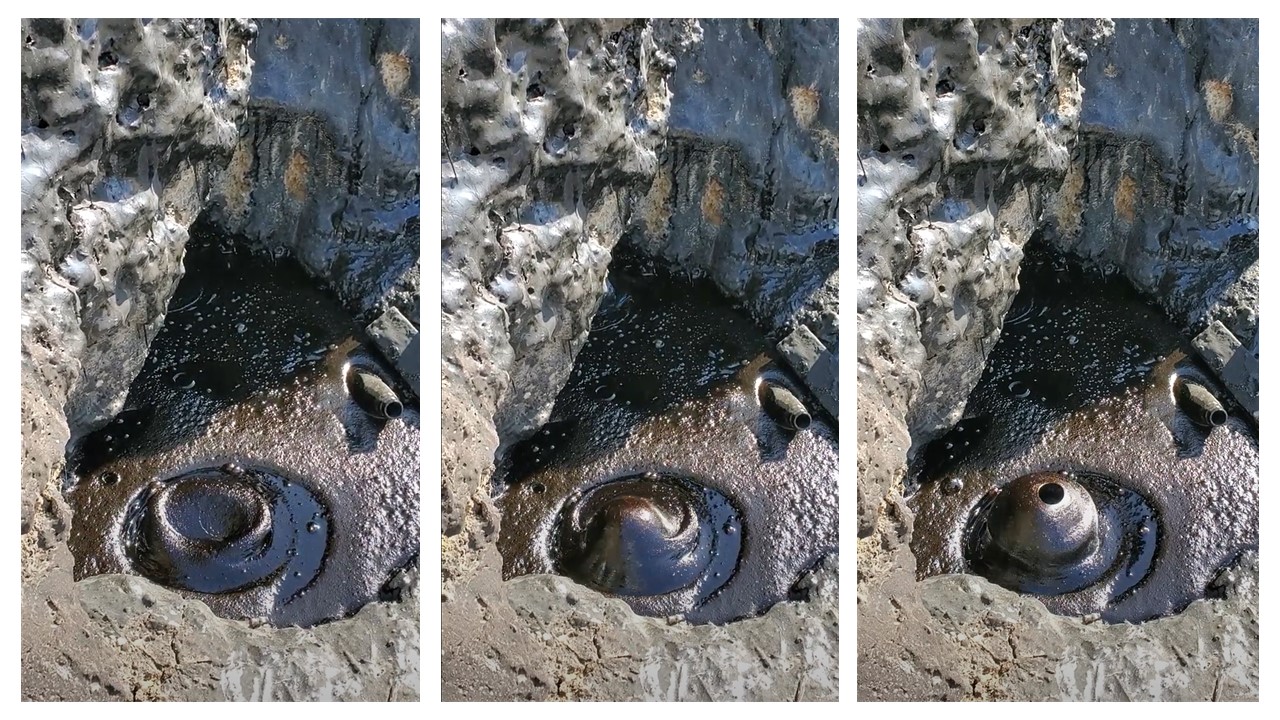
The presence of naturally seeping hydrocarbons (gas and oil) often served as the foundation for early hydrocarbon exploration. For example, over 50 oil and gas fields in California have been discovered by drilling in the vicinity of natural hydrocarbon seeps. Because natural hydrocarbon seeps commonly occur in areas of oil and gas production, understanding the chemical characteristics of natural seeping gas is important for discerning these natural phenomena from potential releases of hydrocarbon gas associated with oil and gas exploration. This information is also useful for better understanding natural methane contributions to global greenhouse gas emissions.
Research: Molecular and Isotopic Composition of Seeping Gases
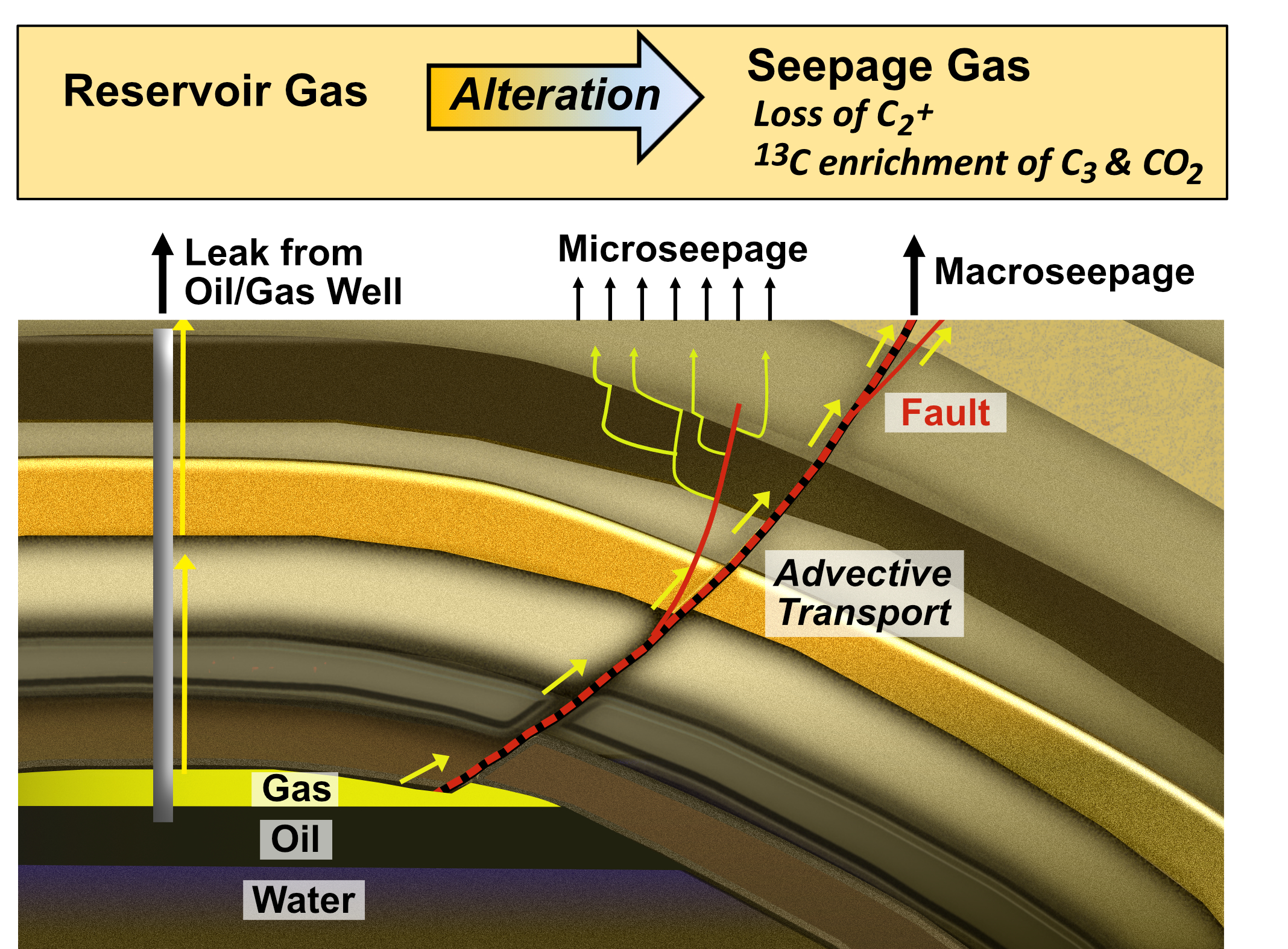
This research focuses on expanding the present understanding of the molecular and isotopic composition of natural gas seepage, and specifically, the post-genetic changes that occur during gas migration from reservoir to surface. This study presents a synthesis of chemical data from natural gas seeps throughout a wide range of geologic settings in California (both new data produced during this investigation, and available data in the scientific literature), as well as a global repository of natural gas seepage samples. Based on comparison to local reservoir gas samples, a conceptual model is presented for the chemical characteristics of natural gases which have migrated via a “short-cut” from reservoir to surface (e.g., via an oil and gas well), versus those with a longer residence time in the subsurface (naturally seeping gases).
Findings: Evidence of Post-Genetic Alteration of Naturally Seeping Hydrocarbon Gases
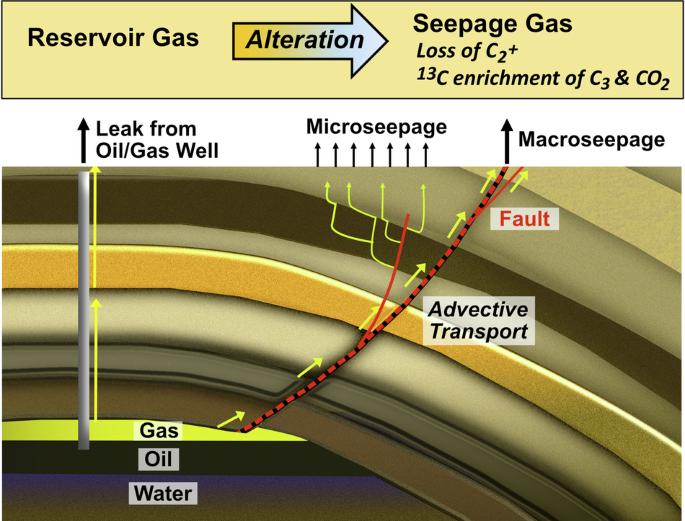
Seepage gas commonly showed C2+ loss relative to reservoir gas, as well as changes in the δ13C composition of CO2, and ratio of isobutane to n-butane relative to reservoir gas. These changes were interpreted to be consistent with post-genetic processes that can affect gas chemistry during transport, including anaerobic microbial oxidation of C3 and n-alkanes, solubility fractionation, mixing with microbial gas, and secondary methanogenesis, among others. Such changes are typical of seepage, and do not occur in deep reservoir gas that may leak during extraction and transport. Our conceptual model can aid in source attribution of fossil gas analyzed in airborne or field surveys and serve as a foundation for future work on regional emissions of methane.

Follow the Topic
-
Communications Earth & Environment
An open access journal from Nature Portfolio that publishes high-quality research, reviews and commentary in the Earth, environmental and planetary sciences.

Related Collections
With Collections, you can get published faster and increase your visibility.
Ecological resistance and resilience under global change
Publishing Model: Open Access
Deadline: Apr 07, 2027
Hazards in Mountain Regions
Publishing Model: Open Access
Deadline: Nov 02, 2026