Evidence of early Plate Tectonics features found in 2.6 billion year old rocks of Westrn Australia
Published in Earth & Environment

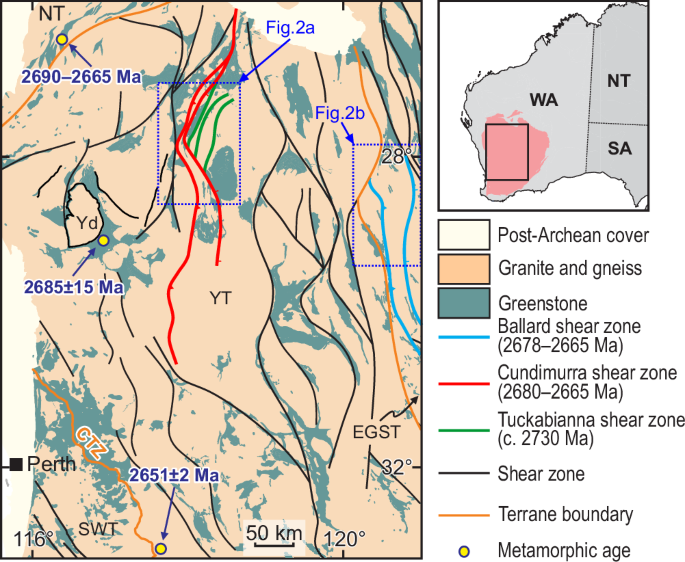

Earth’s interior cooled over time, making the outer crust stronger. In the Neoarchean era (about 2.8–2.5 billion years ago), this stronger crust began to show early signs of the tectonic processes we see in today's plate tectonics era.
By studying ancient rocks in Western Australia, we found evidence that parts of the crust were pushed down and lifted back up by about 10 km—a process comparable to modern mountain-building.
These findings show that Earth’s crust was already capable of forming substantial mountain belts much earlier than previously thought. They offer new constraints and insight into the geological processes that preceded the full establishment of plate tectonics.

Follow the Topic
-
Nature Communications
An open access, multidisciplinary journal dedicated to publishing high-quality research in all areas of the biological, health, physical, chemical and Earth sciences.

Related Collections
With Collections, you can get published faster and increase your visibility.
Women's Health
Publishing Model: Hybrid
Deadline: Ongoing
Tumor Microenvironment Crosstalk and Therapeutic Implications
Publishing Model: Hybrid
Deadline: Nov 02, 2026