Faster than expected drying in western Europe: mechanisms, attribution and implications
Published in Earth & Environment
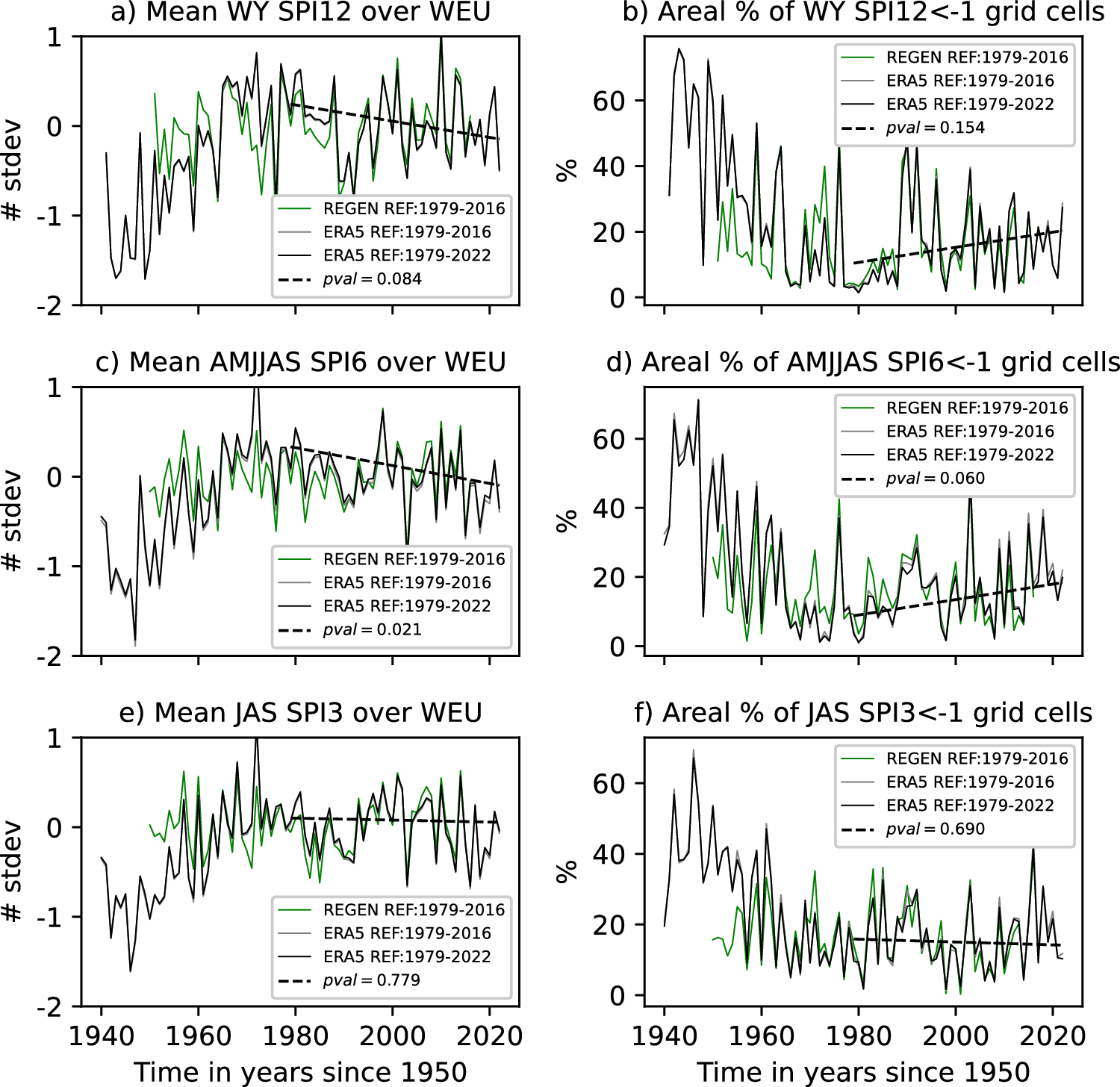

Climate models have long suggested that human-caused greenhouse gas emissions will likely lead to drier conditions in Europe, especially in spring and summer. However, different climate models do not agree on how strong or how fast this drying will be. Even more worringly, most models do not seem to capture the drying trend observed since the late 1970s.
In this study, we examine the possible reasons for this mismatch. We first analyze a single atmospheric model relaxed toward the observed atmospheric circulation, and then assess recent and future water cycle changes across two groups of climate models that include both the ocean and the atmosphere. The model discrepancy does not appear to be caused by errors in how models simulate weather patterns and their year-to-year variations. Instead, it is most likely linked to systematic errors in how models represent the cooling effects of sulfate aerosols, a type of air pollution.
Using a statistical approach that combines model results with observations, we then adjust the latest climate projections. This analysis suggests that Western Europe may dry faster than previously expected. Our results also raise important questions about how aerosol effects are calibrated in climate models and the relevance of global warming levels for reducing uncertainties in climate projections.

Follow the Topic
-
Climate Dynamics
An international journal for the publication of high-quality research on all aspects of the dynamics of the global climate system.






Please sign in or register for FREE
If you are a registered user on Research Communities by Springer Nature, please sign in