Jieyun Bai's Challenge Paper" Beyond Benchmarks of IUGC: Rethinking Requirements of Deep Learning Method for Intrapartum Ultrasound Biometry from Fetal Ultrasound Videos"
Published in Bioengineering & Biotechnology
Explore the Research
S1361841526000290?utm_campaign=related_content&utm_source=HEALTH&utm_medium=communities
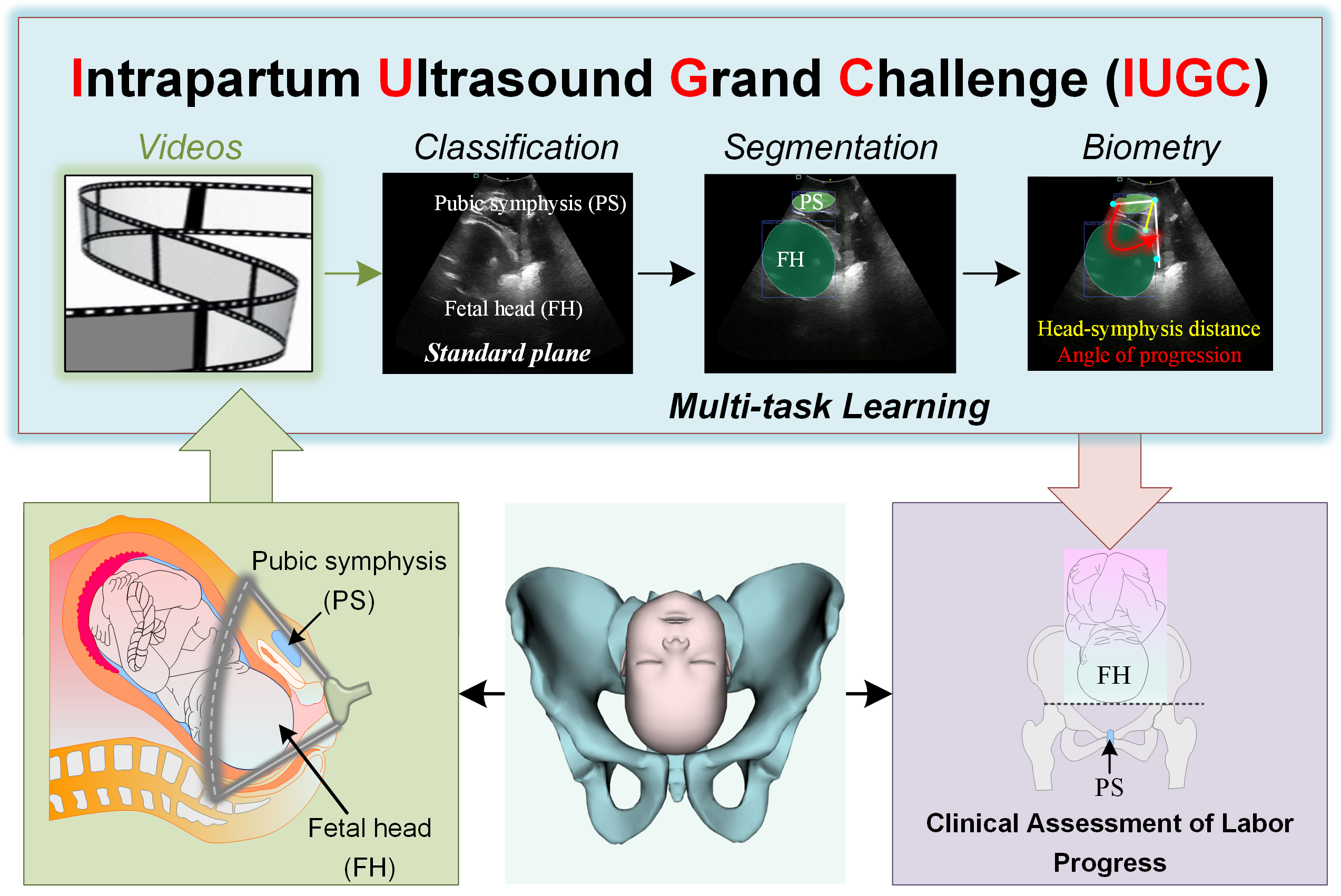
Researchers have unveiled a major step forward in artificial intelligence–driven maternal and fetal healthcare with the release of the Intrapartum Ultrasound Grand Challenge (IUGC) benchmark and its accompanying large-scale dataset. The study introduces a clinically oriented multi-task framework that integrates standard plane classification, fetal head–pubic symphysis segmentation, and automatic biometry measurement from ultrasound videos, enabling more accurate and reliable monitoring of labor progression.
The IUGC initiative addresses a critical global health challenge: nearly 45% of maternal and neonatal deaths and stillbirths occur during the intrapartum phase, with a disproportionate burden in low- and middle-income countries. By leveraging deep learning, the proposed framework aims to reduce reliance on highly trained sonographers and expand access to high-quality intrapartum ultrasound assessment in resource-limited settings.
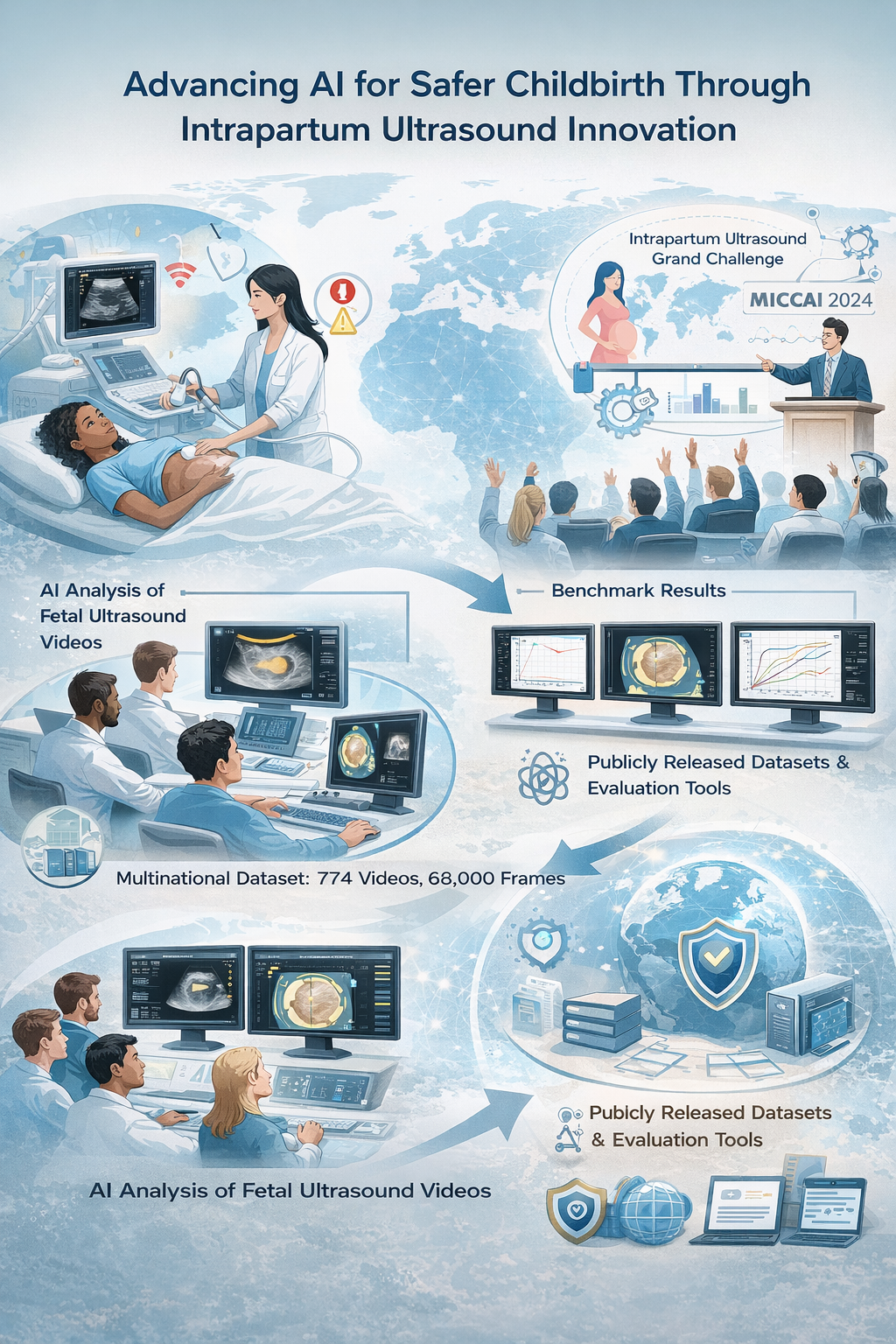
A key highlight of the project is the release of the largest multi-center intrapartum ultrasound video dataset to date, comprising 774 videos and over 68,000 annotated frames collected from three hospitals. This diverse dataset captures real-world variability in anatomy, imaging devices, and acquisition conditions, providing a robust foundation for training and benchmarking next-generation AI models.
A key highlight of the project is the release of the largest multi-center intrapartum ultrasound video dataset to date, comprising 774 videos and over 68,000 annotated frames collected from three hospitals. This diverse dataset captures real-world variability in anatomy, imaging devices, and acquisition conditions, providing a robust foundation for training and benchmarking next-generation AI models.
All benchmark results, evaluation tools, and datasets have been publicly released to promote reproducible research and accelerate innovation. This open-science initiative is expected to drive continued progress toward safe, scalable, and AI-assisted intrapartum ultrasound biometry, ultimately improving outcomes for mothers and newborns worldwide.
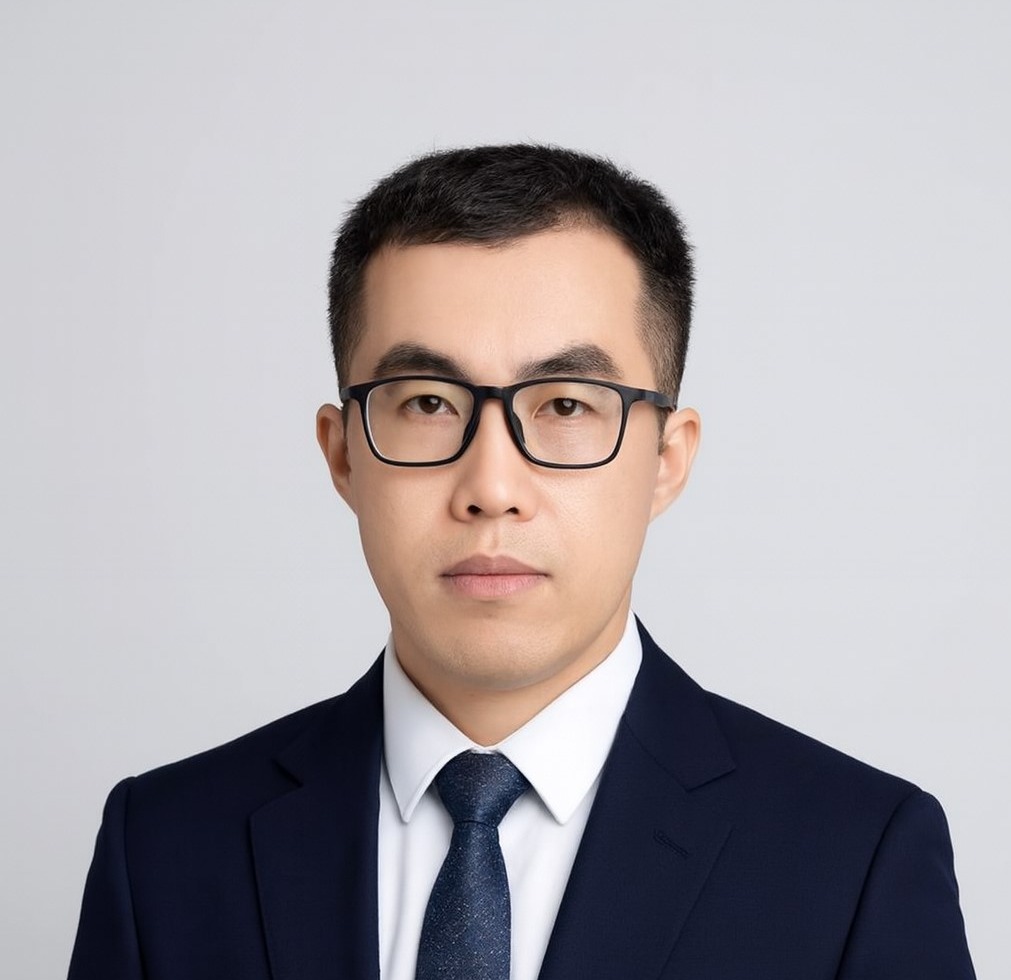
I am an Associate Professor at Jinan University, a Joint Appointed Professor at the First Affiliated Hospital of Jinan University, and the Chief Scientist for Medical Artificial Intelligence at Guangzhou Lianyin Medical Technology Co., Ltd.
I was a postdoctoral researcher at the Auckland Bioengineering Institute, University of Auckland, working with Prof. Jichao Zhao from 2018 to 2019. I received my Ph.D. in Computer Science and Technology from Harbin Institute of Technology in 2017, under the supervision of Prof. Kuanquan Wang and Prof. Henggui Zhang, and I was also a visiting scholar at the Auckland Bioengineering Institute for one year.
My research focuses on AI-driven medical digital twins, ultrasound-based maternal–fetal monitoring, multimodal biomedical signal processing, and clinical decision support systems. I have published extensively on deep learning–based medical image and signal analysis in leading international conferences, including MICCAI, ISBI, EMBC, BIBM, and CinC, as well as in top-tier journals such as Medical Image Analysis (MIA), IEEE Transactions on Medical Imaging (TMI), IEEE Journal of Biomedical and Health Informatics (JBHI), and PLOS Computational Biology.
My team is dedicated to translational and data-driven medical AI research, leveraging large-scale clinical data collected from multi-center hospital systems. We actively develop open datasets, benchmark challenges, and open-source platforms to support reproducible and clinically relevant AI research.
I am a leading organizer in the international ultrasound AI community and currently serve as an Area Chair for MICCAI and ISBI Challenges. Through these initiatives, I have coordinated global collaborations among academia, hospitals, and industry, and have released large-scale, clinically curated datasets and standardized evaluation platforms to the community.
We are strongly committed to open science and have released more than 10 public datasets and code repositories on platforms such as Kaggle and Zenodo.
My group is currently recruiting postdoctoral fellows, research scientists, and graduate students in medical image analysis, medical digital twins, and AI-enabled maternal and cardiovascular healthcare.
Researchers and clinicians interested in medical AI and translational biomedical engineering are warmly welcome to contact me.
Website: https://jieyunbai.github.io/