Legal Doesn’t Mean Understood: A Tool for Cannabis Literacy
Published in Public Health and Education






Behind the Idea
When I first began thinking about this research, cannabis legalization in Canada was gaining momentum and with it, a wave of public opinions, media buzz, and policy shifts. But I felt as though something was missing. While cannabis is generally considered low risk compared to other substances, the reality is: anything you put in your body carries potential risks.
The normalization of cannabis use was moving quickly — maybe faster than our collective understanding. That was the spark. I started wondering: What do people really know about cannabis, its effects, and its potential harms? Not just anecdotally or on social media, but in a way that could be measured, studied, and used to inform public health strategies. If cannabis was going mainstream, so should cannabis education.
That led me to an idea that felt simple at first: build a tool to measure cannabis health literacy. A questionnaire. Something that could capture what the public knows (or doesn't know) about cannabis, validate that measure, and potentially use it later as a way to inform or assess education efforts in clinical or community settings.
Why It Matters
This research began with a core question: What do people actually know about cannabis, its risks, its effects, and its role in health? As legalization moves forward, understanding doesn’t automatically follow. Public education efforts exist, but their reach and impact remain unclear.
So, we asked: What should people know to make informed decisions? And just as importantly, how can we measure that knowledge in a valid, reliable way?
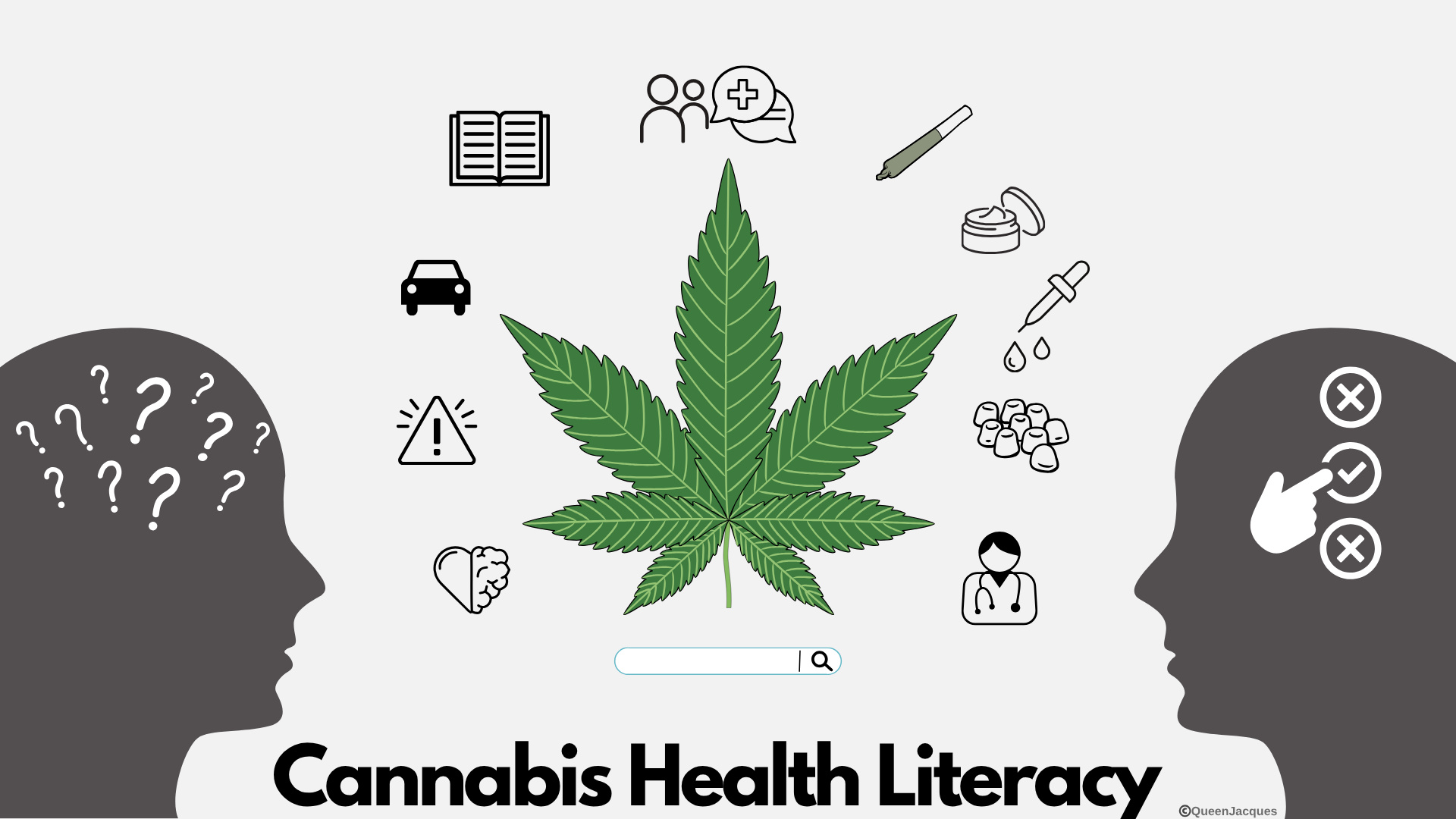
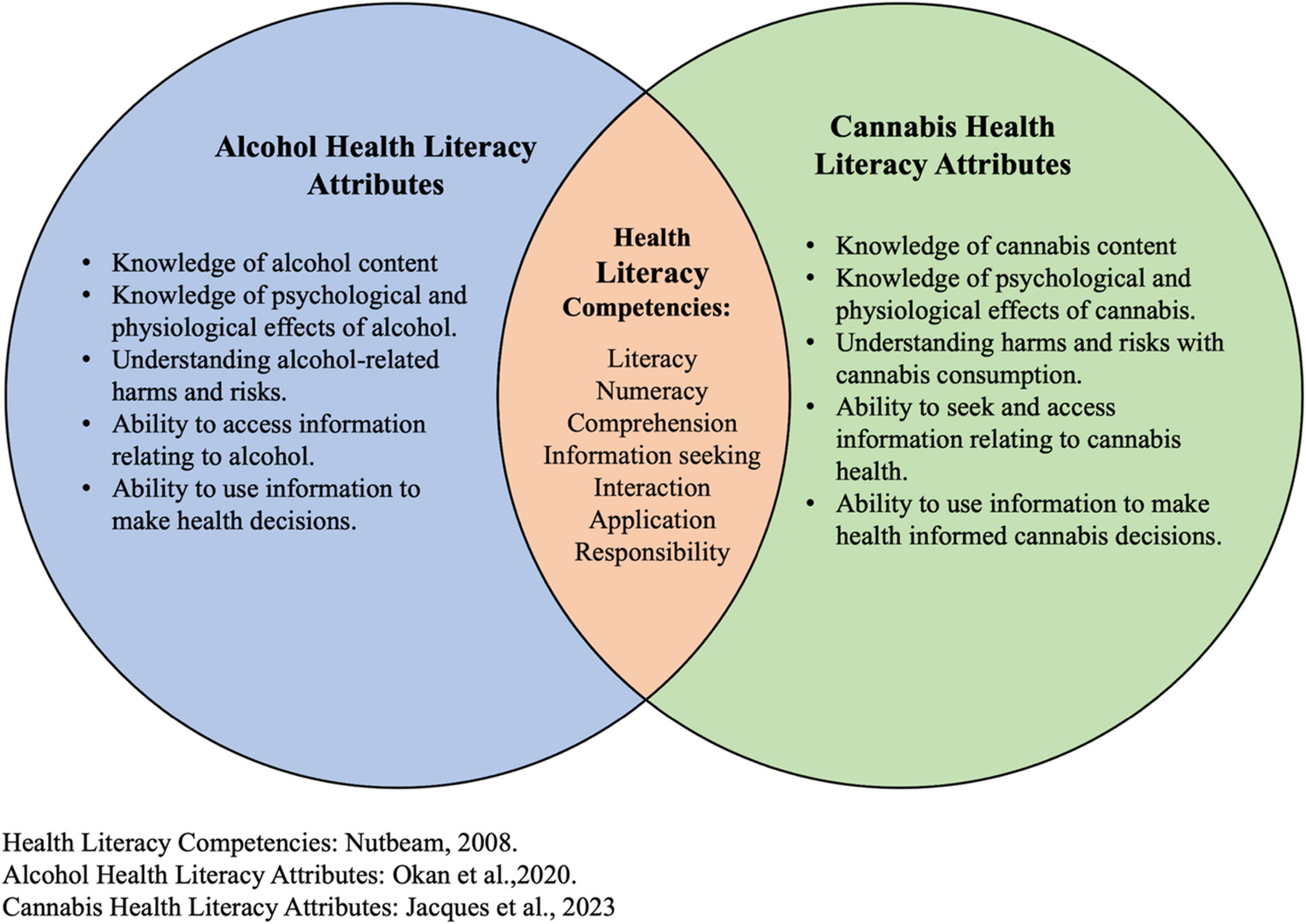
Cannabis health literacy isn’t just about knowing what Tetrahydrocannabinol (THC) or Cannabidiol (CBD) stand for. It’s about having the skills to make informed, safe, and intentional choices — especially as cannabis becomes more accessible. It draws on core health literacy principles: the ability to seek, understand, and apply health information to real-life decisions.
By creating a validated tool to measure that knowledge, we’re one step closer to supporting public education, informed policy, and better integration of cannabis-related conversations in healthcare. Whether it’s doctors screening patients, educators shaping harm reduction curricula, or governments assessing the impact of legalization, a literacy tool is a foundation to build on.
Key Highlights from the study
- We developed the Cannabis Health Literacy Questionnaire (CHLQ) to assess individuals’ knowledge, understanding, and application of cannabis-related health and safety information across four dimensions:
- Knowledge of Cannabis (e.g. components, potency)
- Knowledge of Risks (e.g. mental and physical health)
- Understanding of Harms and Consequences (i.e., applying risk knowledge to real life)
- Ability to Seek, Access, and Use Cannabis Health Information (i.e., interacting with cannabis- health related information)
- The tool was guided by established health literacy frameworks and refined through three iterative rounds with input from stakeholders and cannabis consumers.
- We used Rasch analysis to validate the four dimensions, evaluating item difficulty, model fit, item and person separation, reliability, and unidimensionality.
- Each dimension has a separate scoring system; higher raw scores indicate greater literacy in that area.
- The CHLQ is suitable for use in descriptive and educational research. However, further validation — particularly across diverse populations and over time — is needed.
Looking Ahead
I hope this paper sparks a broader conversation about what I’d call “substance literacy” — not just for cannabis, but across the spectrum of substances. When we talk about harm reduction, we often focus on access and treatment. But understanding is harm reduction too.
We’re continuing to assess cannabis health literacy and are preparing a follow-up paper exploring what Canadians knew at the time of data collection. We welcome feedback and collaboration to further strengthen and refine the questionnaire.
My hope is that it opens doors for further research, better dialogue, and more thoughtful public health approaches. As cannabis shifts from taboo to typical, we need tools that keep pace with public knowledge and conversation.
The paper is now out in the world — but the conversation is just beginning.
Read the full paper here: Development of a cannabis health literacy questionnaire: preliminary validation using the Rasch model

Follow the Topic
-
BMC Public Health
An open access, peer-reviewed journal that considers articles on the epidemiology of disease and the understanding of all aspects of public health.

Related Collections
With Collections, you can get published faster and increase your visibility.
Monitoring, preventing, and managing type 2 diabetes
BMC Public Health is calling for submissions to our Collection on Monitoring, preventing, and managing diabetes at the population level. With rates of type 2 diabetes rising globally, especially in low- and middle-income countries and underserved communities, prevention strategies are critical. As the disease progresses people with diabetes are at increased risk of complications such as cardiovascular and kidney diseases, neuropathy and visual loss.
This Collection seeks submissions that explore population-level approaches to monitoring rates of diabetes, preventing or delaying the development of type 2 diabetes, and system-wide efforts to improve the management of the disease and reduce rates of complications, with a focus on improving health outcomes and reducing healthcare burdens.
Submissions are encouraged on primary prevention initiatives and culturally adapted, community-level interventions to reduce the risk of diabetes. Research aimed at improving systems for monitoring rates of diabetes and its complications through routinely-collected health data, or for improving management by enhancing patient engagement with healthcare systems or better identifying those in need, are encouraged. Research on diabetes education and support systems is also welcomed, with a focus on empowering individuals to adopt and sustain healthier lifestyles and avoid known causes of diabetes.
Additional topics of interest include (but are not limited to):
Access to healthcare and diabetes management
The impact of food insecurity on diabetes outcomes
Community-based interventions for low-income populations
Interventions to reduce exposure to environmental causes of diabetes
Financial barriers to diabetes medication and treatment
Housing instability, employment status and type 2 diabetes
Health literacy, poverty, and diabetes management
Policies to reduce poverty-related health disparities in diabetes
This Collection supports and amplifies research related to SDG 3: Good Health & Well-Being.
All manuscripts submitted to this journal, including those submitted to collections and special issues, are assessed in line with our editorial policies and the journal’s peer review process. Reviewers and editors are required to declare competing interests and can be excluded from the peer review process if a competing interest exists.
Publishing Model: Open Access
Deadline: Oct 16, 2026
Digital exclusion and health equity
Digital exclusion poses significant barriers to health equity, particularly in the context of an increasingly technology-driven healthcare landscape. Many individuals, especially from underserved communities face challenges in accessing digital health resources, including telehealth services, electronic health records, and health information online, alongside challenges from other social determinants of health. This Collection seeks to explore the intersection of digital health access and health equity, focusing on the disparities that arise from unequal access to digital tools and resources.
Addressing digital health exclusion is critical for promoting health equity and ensuring that all individuals can benefit from advancements in digital health. Recent strides in telehealth and digital health interventions have demonstrated the potential for technology to improve access to care, yet they also reveal significant disparities that must be acknowledged. By understanding the factors that contribute to eHealth disparities, we can develop targeted digital inclusion strategies that address the unique needs of diverse populations, ultimately fostering a more equitable health system.
Topics for submission include but are not limited to:
- Equitable digital health systems: policy, infrastructure, and community engagement
- Digital health access among underserved communities
- Digital literacy and health outcomes across diverse populations
- Innovations and implementation strategies for bridging digital health gaps in underserved communities
- Measuring and monitoring digital health disparities: metrics and methodologies
This Collection supports and amplifies research related to SDG 3 (Good Health and Well Being) and SDG 10: (Reduced Inequalities).
All manuscripts submitted to this journal, including those submitted to collections and special issues, are assessed in line with our editorial policies and the journal’s peer-review process. Reviewers and editors are required to declare competing interests and can be excluded from the peer review process if a competing interest exists.
Publishing Model: Open Access
Deadline: Dec 11, 2026