Making the New Zealand Health and Physical Education Curriculum Fit for Purpose: A Global Perspective
Published in Social Sciences and Education

Explore the Research
 Springer Nature Switzerland
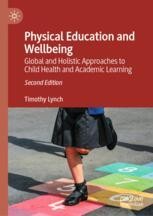
Physical Education and Wellbeing
This book explores how physical education (PE) can be best enacted in schools in order to optimize children’s well-being.
Reimagining Health and Physical Education: Why New Zealand’s Curriculum Needs a Socio-Cultural Reset
The recently released draft Health and Physical Education (HPE) curriculum for New Zealand schools has sparked significant controversy among educators and professionals. Physical Education New Zealand (PENZ) has raised critical concerns about what they describe as a narrow, performance-focused approach that fundamentally misunderstands the purpose of quality physical education in the 21st century.
The Core Problem
The draft curriculum prioritizes technical skill acquisition and athletic performance over holistic student development. This reductionist approach separates biophysical knowledge from sociocultural understanding, essentially treating students as bodies to be trained rather than whole persons to be educated. The result? A curriculum that risks marginalizing students who don’t fit traditional athletic molds while failing to prepare any students for lifelong physical literacy and wellbeing.
What Research Shows
International evidence from leading jurisdictions - Canada, Australia, Finland, and Scotland -demonstrates that effective HPE curricula embrace socio-cultural approaches. These frameworks recognize that movement is inherently social, cultural, and deeply personal. They integrate critical thinking about body image, identity, equity, and social justice alongside physical skills. Students don’t just learn how to move; they understand why movement matters and how physical activity intersects with mental health, cultural identity, and community belonging.
The Inclusion Imperative
A fit-for-purpose curriculum must prioritize inclusion and equity, not athletic excellence. Research consistently shows that performance-oriented approaches alienate students with disabilities, those from diverse cultural backgrounds, girls, LGBTQ+ youth, and anyone who doesn’t identify as 'sporty'. These students often disengage from physical activity entirely, precisely the opposite of what quality HPE should achieve.
Contemporary best practice emphasizes meaningful engagement over competitive performance, creating spaces where all students can develop positive relationships with movement and their bodies. This requires pedagogies that celebrate diversity, challenge stereotypes, and empower students to define success on their own terms. This does not mean that all children are not challenged and that talented children are not extended through competition (eg. sporting teams, athletics and swimming).
Evidence-Based Reform
The draft curriculum’s lack of engagement with contemporary research is particularly concerning. Decades of scholarship in physical education pedagogy, curriculum studies, and youth health demonstrate that narrow skill-based approaches are ineffective for promoting lifelong physical activity. Meanwhile, socio-cultural frameworks that integrate critical pedagogy, cultural responsiveness, and holistic wellbeing show significantly better outcomes.
A Path Forward
Developing a truly fit-for-purpose HPE curriculum requires five essential elements. First, genuine integration of biophysical and sociocultural knowledge domains within a unified framework. Second, explicit commitment to inclusion, equity, and comprehensive wellbeing rather than only performance metrics. Third, meaningful partnership with professional bodies and subject experts throughout the design process. Fourth, robust implementation support through enhanced teacher education and professional development. Fifth, grounding all decisions in contemporary research evidence.
The Stakes
Health and Physical Education shapes how young people understand their bodies, their capabilities, and their place in active communities. A curriculum that reduces this rich, complex learning to basic skill acquisition does a profound disservice to students and society. New Zealand has an opportunity to lead globally by embracing a socio-cultural approach that genuinely serves all learners-not just the athletically gifted-preparing them to thrive physically, mentally, and socially throughout their lives.


Dr. Timothy Lynch, the most cited school practitioner on Google Scholar, is the Western Co-Head of ECE and Primary at Yew Chung International School of Chongqing (China) and Adjunct Professor at Yew Chung College of Early Childhood Education (YCCECE), Hong Kong (China). Timothy is acknowledged by UNESCO as an Inclusive Policy Lab (IPL) expert for education and wellbeing, by the International Alliance for Health, Physical Education, Dance and Sport (IAHPEDS) as Governor for Oceania and accredited as a Senior Fellow of the Higher Education Academy (UK Professional Standards Framework). An active teacher, school leader and researcher, he has published widely in the field of education, having taught and researched across the Middle East, Africa, Asia, Europe and Australia. Timothy has 23 years' teaching and school leadership experience and eight years' working full time as a teacher/researcher in higher education.
Previous experiences include:
- Deputy Principal at The Joseph Varga School
- Deputy Head of Junior School at the British International School of Cairo
- Assistant Headteacher/ Deputy Headteacher at Hornbill School, Brunei - Ofsted outstanding (Ministry of Defence, UK)
- Adjunct Professor at the Universiti of Brunei Darussalam (UBD) in the Sultan Hassanal Bolkiah Institute of Education (SHBIE)
- Plymouth University - Subject Lead in the Institute of Education - Ofsted outstanding (UK) 2015-2017
- Senior Lecturer in the Faculty of Education at Monash University - no. 1 in world QS rankings (Australia) (2011-2015).
- Assistant Professor at University of Canberra
Research interests include; Wellbeing, Special Education, Health and Physical Education, pedagogy and quality teaching practices, curriculum reform, and enhancing learning through the physical. An active teacher, school leader and researcher, he has published widely in the field of education for Swinburne University of Technology, Universiti of Brunei Darussalam, University of Plymouth, Monash University, University of Canberra, Federation University and Australian Catholic University.
Follow the Topic
-
Palgrave Macmillan is a world-class publisher of books and journals with more than 175 years’ experience in the Humanities and Social Sciences.


Please sign in or register for FREE
If you are a registered user on Research Communities by Springer Nature, please sign in