Mobile apps found to promote more sustainable and healthier diets
Published in Healthcare & Nursing, Social Sciences, and Ecology & Evolution



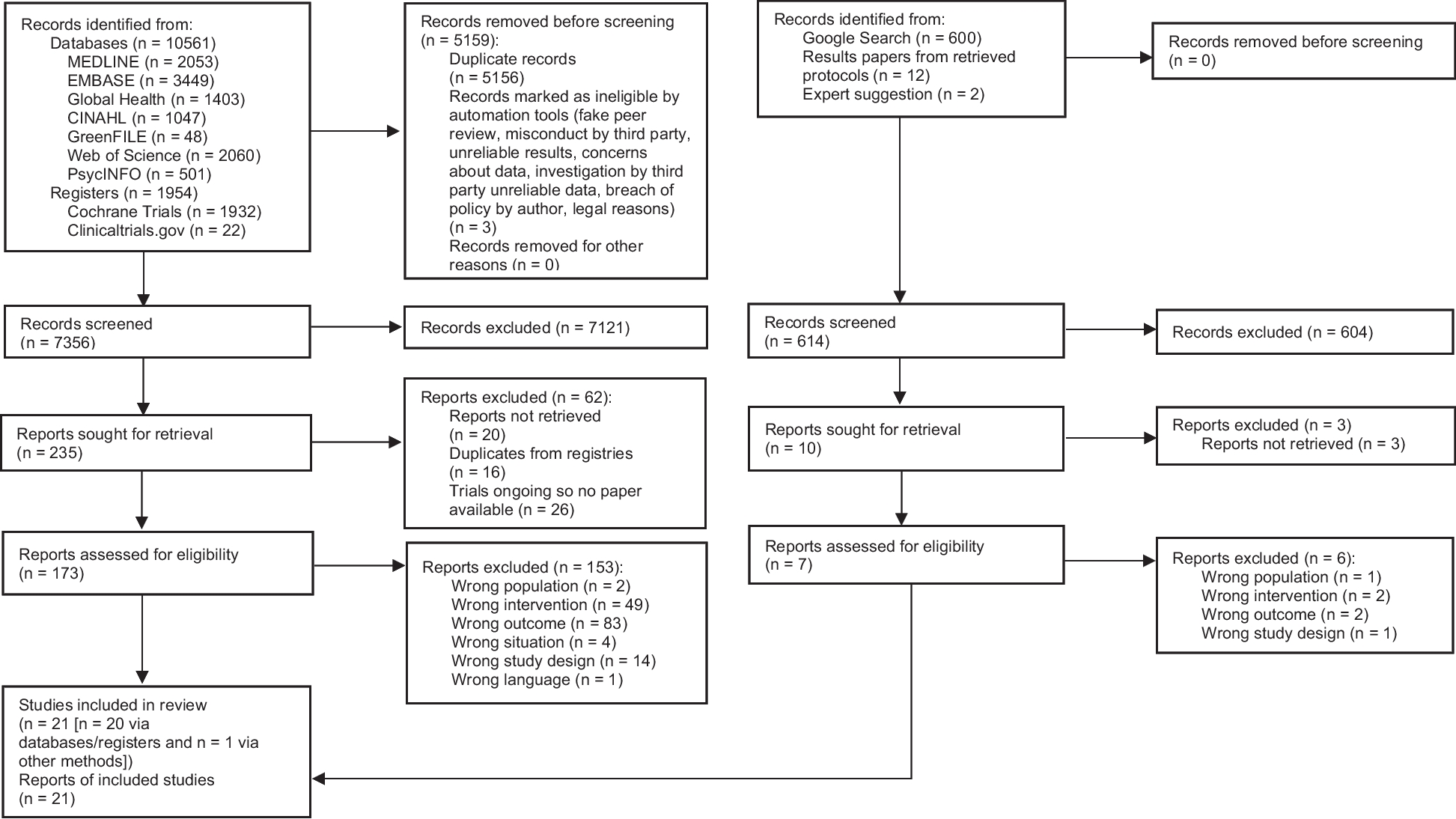

We conducted the first systematic review and meta-analysis evaluating healthy eating apps and their impact on health and sustainability, published in the International Journal of Behavioral Nutrition and Physical Activity.
This is a crucial study considering evidence showing that the global food system contributes approximately one third of greenhouse gas emissions, and at the same time, poor diets are a leading cause of obesity. The diet and nutrition app industry is huge – about 1 in 5 people in the UK use one of the 350,000 health-related apps out there. This provides an unprecedented platform for dietary interventions, and our work is an important piece of the puzzle in understanding their potential.
From an initial pool of 7,356 studies, 21 met the criteria for inclusion in the final review. Together, these involved 12,898 participants across 10 countries and territories, including the USA, UK, Spain, Italy, China, the Netherlands, Australia, New Zealand, Switzerland, and Puerto Rico.
Key points:
- Apps can promote sustainable and healthy dietary behaviour, through boosts in fruit and vegetable consumption (around three portions per week on average) and reductions in meat (to a smaller degree).
- Meat-centric content, notifications, and message boards were most effective for meat reduction, providing a new perspective to previous research suggesting meat intake is particularly hard to change through informational/educational tools only.
- Largely accessed by those not meeting dietary guidelines, they may be able to reach those most in need rather than widening health inequalities.
- Evidence gaps include: effects on foods such as dairy and fish, assessment of dietary emissions alongside food consumption, long-term and repeated follow-up measurements, evaluations of commercial apps, and reporting markers of inequality.
A story behind our study:
Samina was among public contributors who helped shape the research, advising how to consider the views and experiences of people from ethnic minority communities - including those from South Asian backgrounds - into the study design.
The mum-of-one from Bradford, West Yorkshire, has shed 8kgs (nearly 1.5 stone) so far this year through using the NHS Weight Loss Plan App, and she is determined to keep on going. Now she limits eating meat to once a week and makes healthier choices to shop for seasonal fruit and vegetables to reduce her carbon footprint.
She said “I use the app to put in what I’ve had for lunch and other meals, and it’ll calculate the precise calories. What motivates me is I can see the progress I’m making on the screen in front of me, and the app sends you motivational messages.”
What’s next?
As a next step, the researchers are collaborating with an existing app to design and pilot a message-based intervention to understand the effects in a group of local authority employees in England.
More broadly, we hope this study will pave the way for more evaluations and systematic reviews of digital interventions to consider behaviour change techniques alongside modes of delivery. This will better highlight which elements of apps work and how they are implemented. Our insights could also be used by app developers when designing and further improving diet-related behaviour change apps, including – for example – those used by national governments and health practitioners. Consumers could also be aware of the characteristics of apps to look for when choosing an app to use themselves. Together, it is hoped this research will contribute to an improved understanding of the role of smartphone apps within the multiple interventions needed to accelerate dietary shifts towards more sustainable and healthier diets.

Follow the Topic
-
International Journal of Behavioral Nutrition and Physical Activity
IJBNPA is devoted to understanding the behavioral aspects of diet and physical activity and is unique in its inclusion of multiple levels of analysis (including populations, groups and individuals) and its inclusion of epidemiology, behavioral, theoretical and measurement research areas.