No Magic Pill for Multimorbidity? Try Exercise Therapy and Self-Management Support for a Better Quality of Life
Published in Research Data and Biomedical Research







Imagine waking up to a calendar filled with medical appointments, medication schedules, and rehabilitation sessions. One in three adults worldwide faces the challenge of managing multiple chronic conditions (known as multimorbidity), and for them, this is daily life. Our latest study brings good news to these people, pointing to new possibilities for improving their quality of life.
Multimorbidity is one of the biggest challenges facing modern healthcare systems. Conditions like osteoarthritis, COPD, heart disease, hypertension, type 2 diabetes, and depression often occur together – and yet, treatment is typically fragmented.
Multimorbidity doesn’t just mean physical symptoms like pain, fatigue, or side effects from medications. It also affects mental health and social life, posing a great burden to quality of life. For many patients, the hours spent managing chronic conditions often outweigh the moments spent enjoying life. And in a healthcare system built around single-disease treatment pathways, they often find themselves overwhelmed – rushing from one specialist to another.
That’s why we launched MOBILIZE, a five-year research project aimed to improve the lives of people with multimorbidity. In MOBILIZE, we developed and tested a 12-week program combining exercise therapy and self-management support tailored to people with at least two chronic conditions.
A New Approach to a Growing Challenge
On average, participants had seven different diagnoses. The program included personalized exercise therapy and self-management modules on topics like fatigue, pain management, and self-care and was delivered in-person by trained physiotherapists and in small groups. The aim was to provide participants with tools that could help them manage life with multiple chronic conditions more effectively over the long run.
What makes MOBILIZE unique is that it was co-designed with patients, caregivers, and clinicians from the very beginning. Engaging patients not merely as study participants but as collaborators has added valuable insights from their experiences and ensured that the program addresses real-life challenges and priorities.
For this, MOBILIZE was nominated for the Patient Focus of the Year award at the celebration of 'Denmark's Best Clinical Trials and Studies 2025'. Although we did not ultimately receive the award, we’re honored to have been selected as one of the three finalists among 44 highly innovative and impactful projects.
What Did We Find?
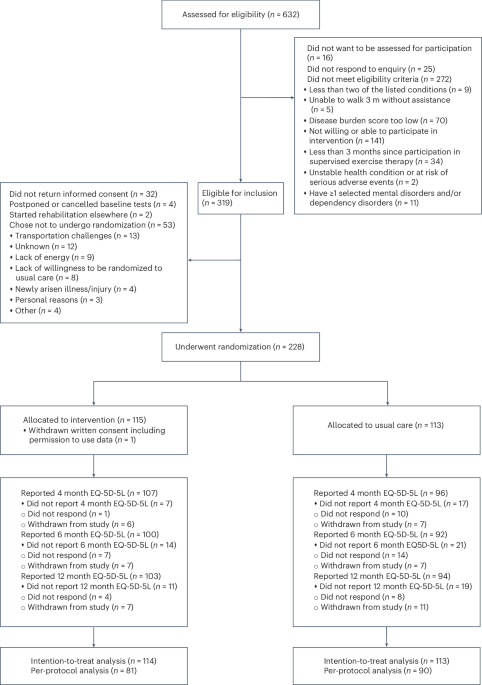
We conducted a randomized controlled trial with 228 participants, comparing the MOBILIZE program plus usual care to usual care alone. After 12 months, those in the intervention group reported a statistically significant greater improvement in health-related quality of life – a result not previously achieved in similar studies.
We also saw improvements in physical function, depression, and disease burden, although not all secondary outcomes reached a meaningful difference between the groups. Importantly, the program was safe: participants in the intervention group had fewer serious adverse events like hospital visits than those in the control group.
Interestingly, while the intervention group maintained their improved quality of life over time, the control group’s scores declined. We’re now planning a five-year follow-up to explore long-term effects as well as cost-effectiveness.
The Road Ahead
Our findings suggest a new way forward. We show that it is both safe and beneficial for people with multiple chronic conditions to exercise together – even if their diagnoses differ. Moreover, learning how to manage everyday challenges such as poor sleep quality, chronic pain, fatigue and elevated stress can empower patients to take greater control of their health and potentially prevent further disease progression.
MOBILIZE reduces strain on overstretched health systems and challenges the outdated idea that people with different conditions must be treated separately.
Our next challenge is to bring this knowledge into clinical practice. Multimorbidity demands new thinking, and we hope MOBILIZE can help shape future treatment of multimorbidity.
Follow the Topic
-
Nature Medicine
This journal encompasses original research ranging from new concepts in human biology and disease pathogenesis to new therapeutic modalities and drug development, to all phases of clinical work, as well as innovative technologies aimed at improving human health.

Related Collections
With Collections, you can get published faster and increase your visibility.
Clinical Research in Respiratory Medicine
Publishing Model: Hybrid
Deadline: Feb 18, 2027
Cancer Prevention and Control
Publishing Model: Hybrid
Deadline: Feb 19, 2027




Please sign in or register for FREE
If you are a registered user on Research Communities by Springer Nature, please sign in