Oceanic regions shape the composition of the Antarctic plastisphere
Published in Earth & Environment and Ecology & Evolution


How it all began
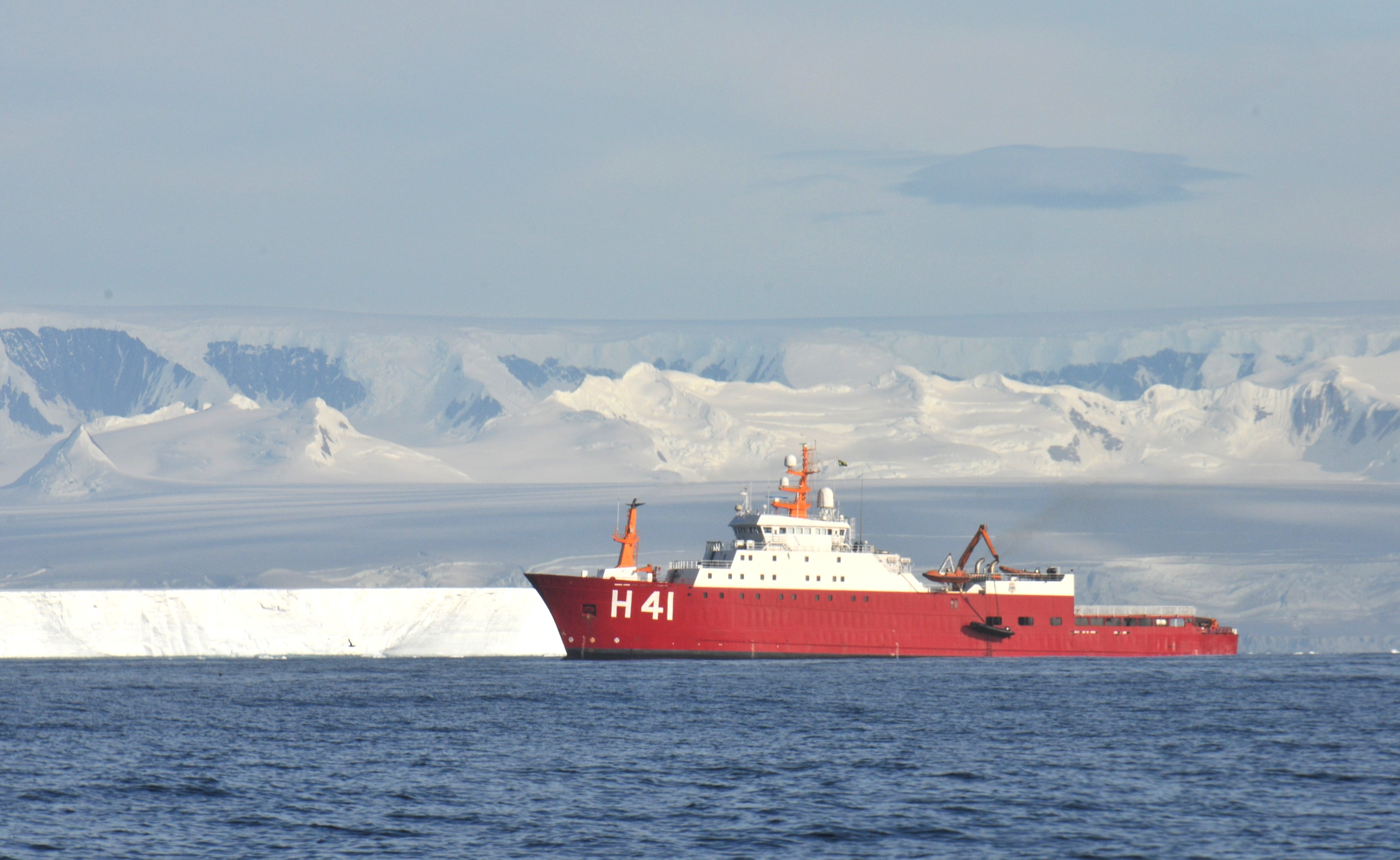
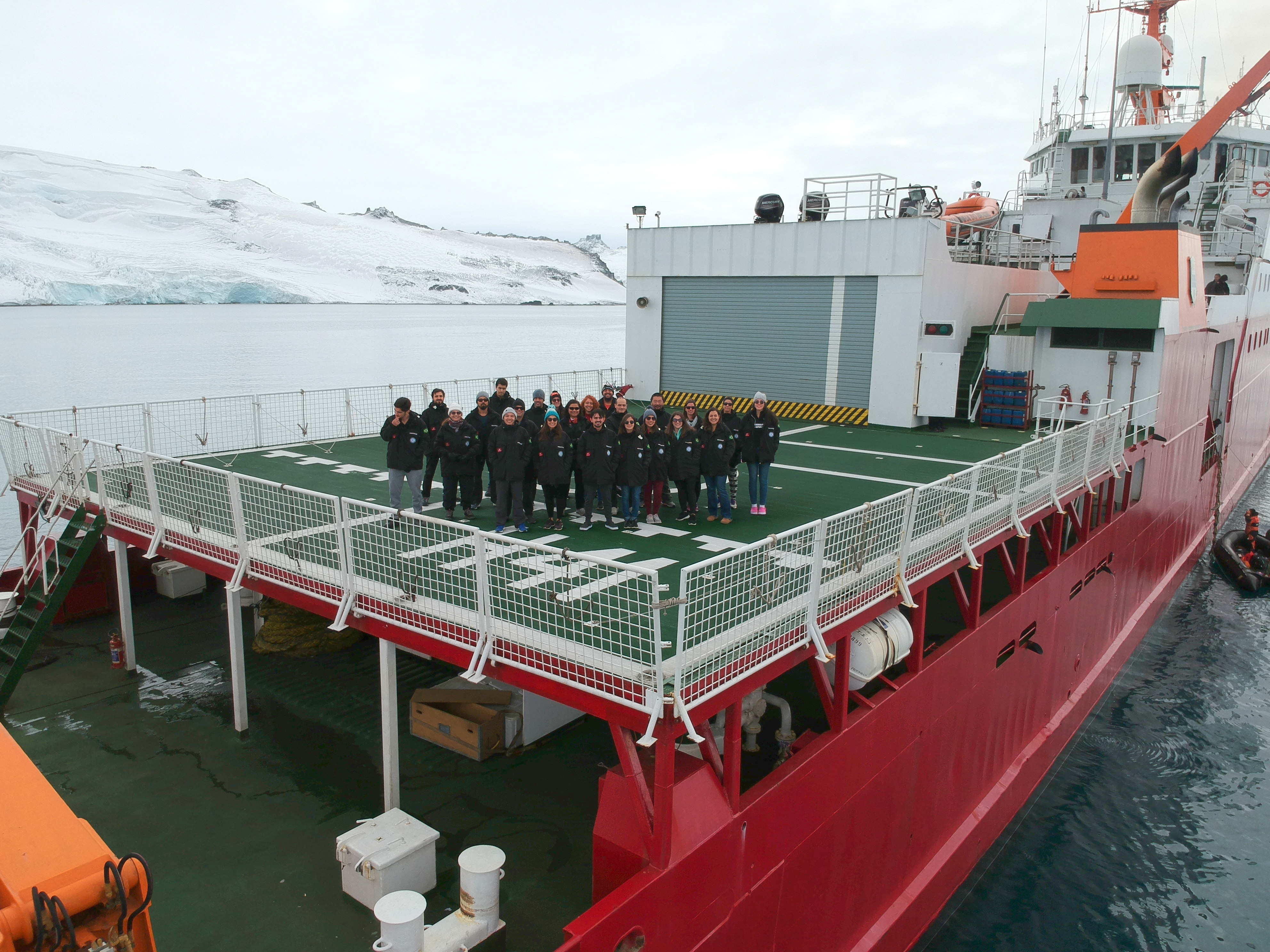
It all started with a simple question during the planning of the XXXVI Antarctic Operation: Do plastics floating in the surface waters off the Antarctic Peninsula host diverse communities, as they do in other parts of the ocean? This question led to an investigation into how oceanic regions influence the biological composition of the so-called plastisphere, a term used to describe the communities that colonize plastic debris. We wanted to know whether plastics discarded in other parts of the world could reach Antarctica via ocean currents, and if those plastics could support diverse communities even in the freezing Southern Ocean. This research was led by the High Latitude Oceanography Group (GOAL) from the Institute of Oceanography at the Federal University of Rio Grande (FURG), under the scope of the Brazilian Antarctic Program (PROANTAR).
Antarctica is known as an ecologically sensitive environment due to its relatively low biodiversity and simple food webs, making it especially vulnerable to the impacts of plastic pollution and climate change. Although Antarctica might seem untouched, our data reinforced that plastic pollution has made its way there, along with microorganisms that take advantage of this new “habitat”. The composition of these communities offers insights not only into microbial ecology but also into potential pathways for the spread of species and pollutants. In 2019, we published a baseline study on the abundance, types, and dispersal routes of plastics in Antarctica. While several studies had reported plastics in oceanic waters for some decades, we wanted to go further and describe the diversity of life in the Antarctic plastisphere.
Challenges and behind the scenes
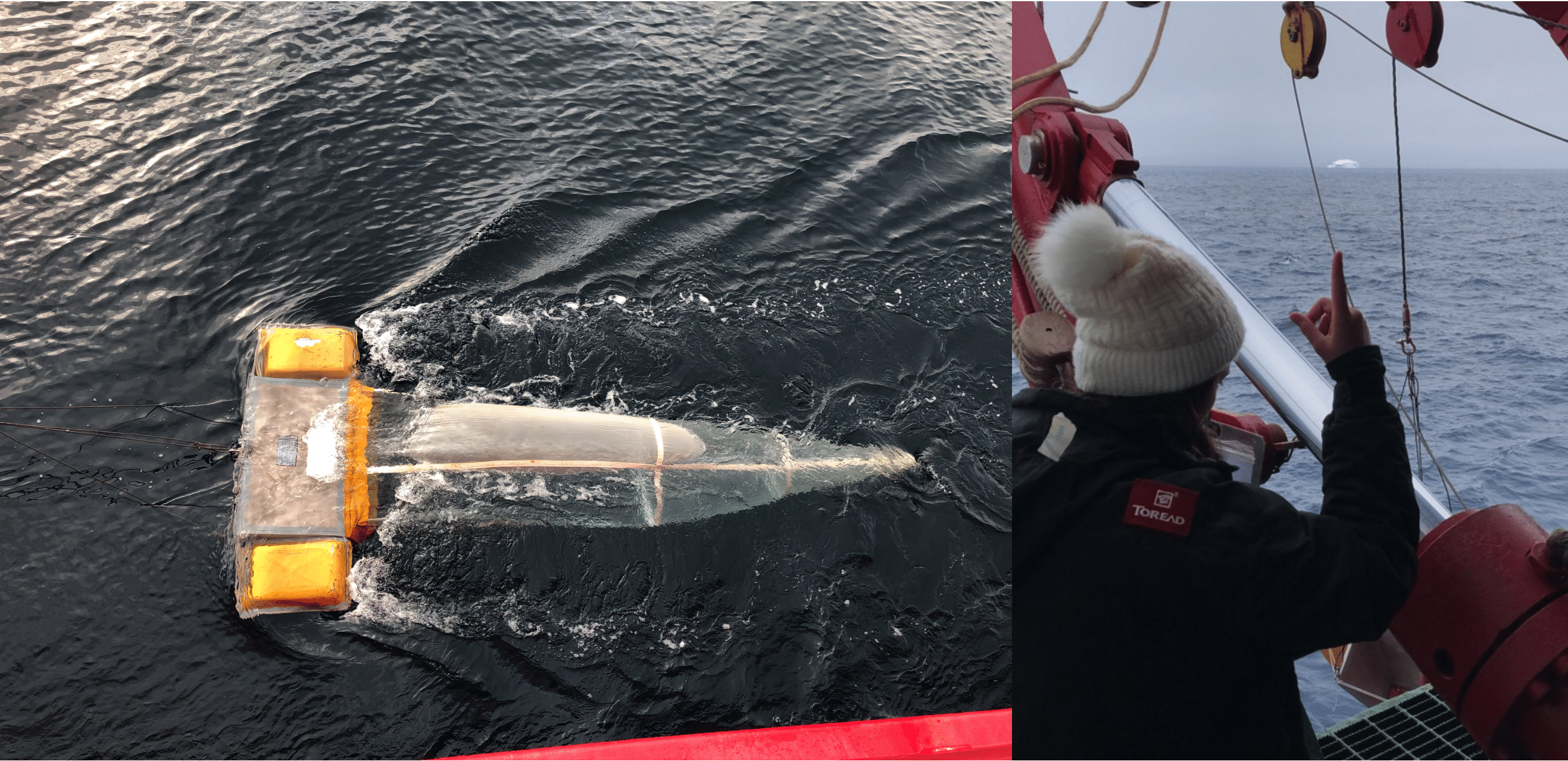
Collecting plastic debris in the Southern Ocean is far from easy, especially since weather conditions can be extreme. On some days, high winds and rough seas made it impossible to deploy our manta net, the equipment used to collect plastics at the ocean surface. When we succeeded, each fragment seemed to hold an invisible story that only future DNA analyses could reveal.
With funding from a CNPq-SWE scholarship, I traveled to the UK as a visiting PhD researcher at the University of Salford, where I conducted DNA metabarcoding analysis in collaboration with Dr. Joe D. Taylor. This started an international collaboration and friendship that has resulted in several joint publications to date. Our research revealed a diverse array of organisms living on plastics in Antarctica, including bacteria, fungi, microalgae, sponges, and other organisms.
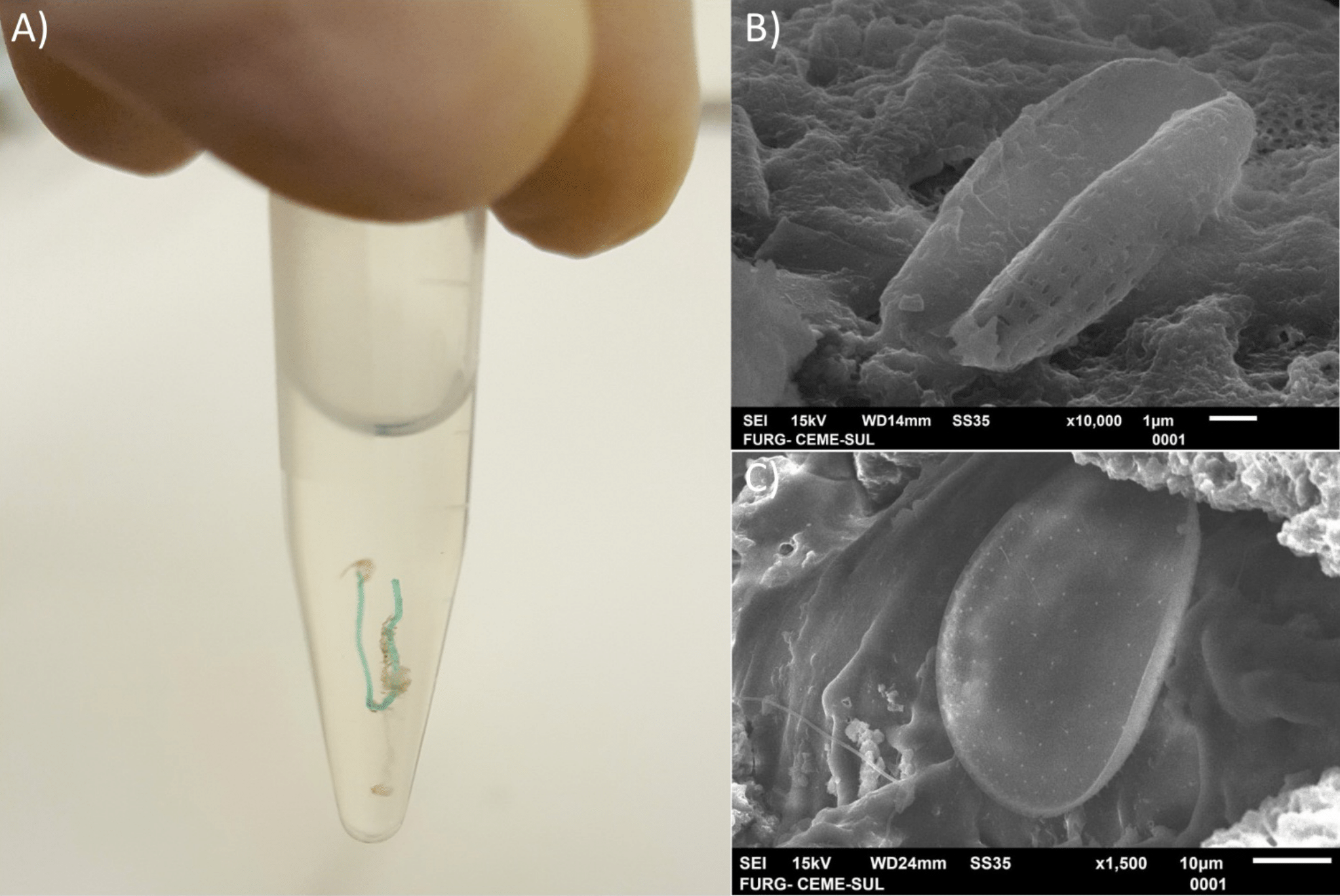
Through DNA analysis of the plastisphere, we found bacteria and fungi with taxonomic matches to some of those capable of causing diseases in marine animals, and potentially even in humans. We also identified species that have already been described as capable of degrading plastics. Moreover, we observed numerous sessile organisms that are now found floating at the sea surface, having attached themselves to plastic debris. This raises important questions about the role of plastics in transporting organisms to regions where they would not naturally reach.
Distinct plastisphere in different Antarctic marine regions
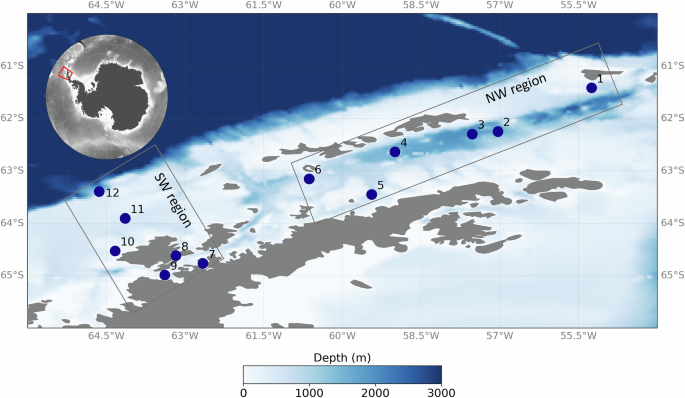
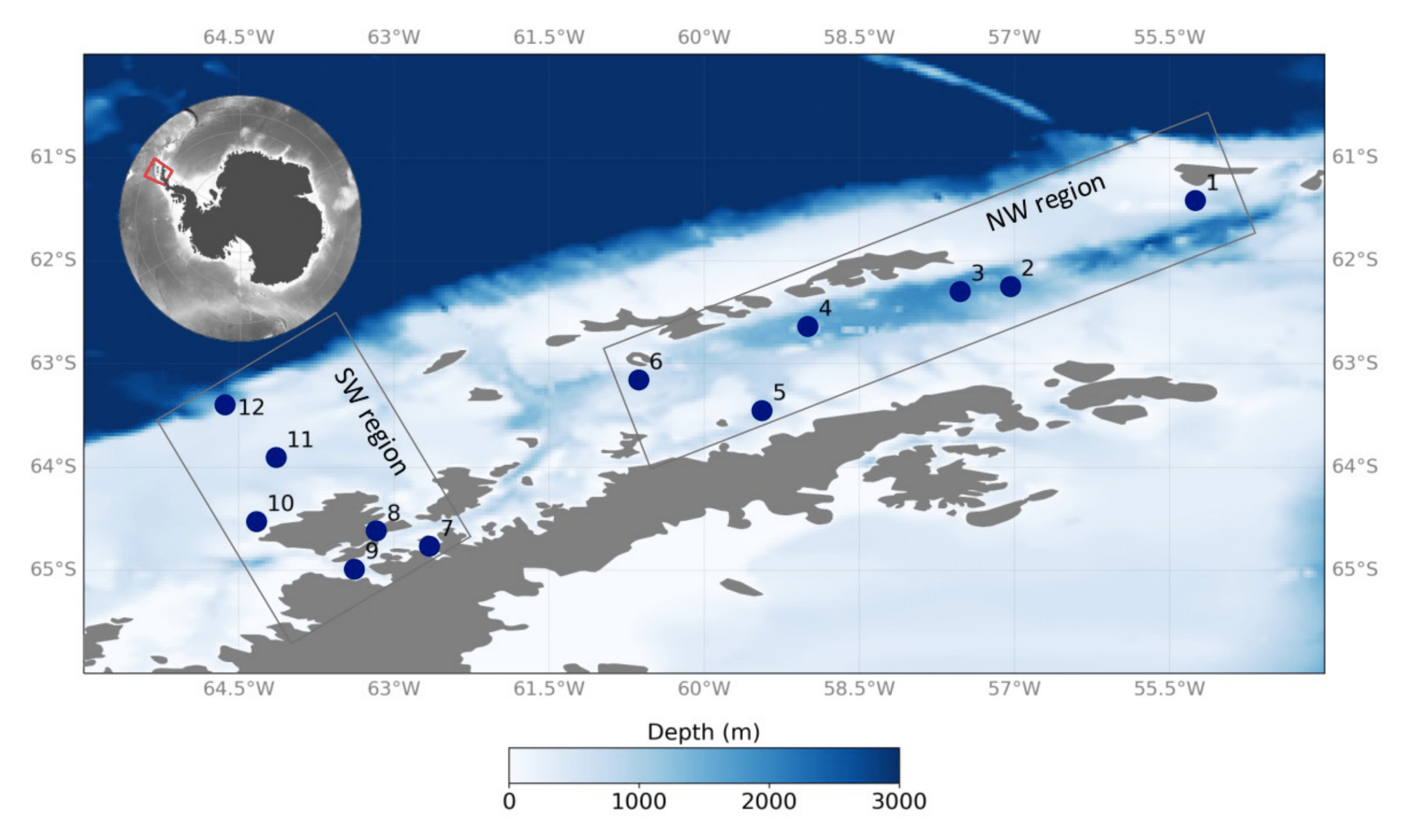
We were surprised to discover highly distinct microbial communities on plastics collected from different oceanic regions in the western side of the Antarctic Peninsula. One area featured colder, and nutrient-poorer waters (northwest region), while the other had slightly warmer waters with higher nutrient levels (southwest region). These environmental differences appear to play a key role in shaping the plastisphere.
Implications and next steps
Our study adds to the wealth of literature indicating that, as well as being a potentially harmful pollutant, plastics also represent distinct ecosystems within oceanic systems. It raises urgent questions: Are we helping microorganisms to cross biogeographic barriers via plastic pollution? How might this affect polar ecosystems, which are already extremely vulnerable? And could climate change, particularly the warming of Antarctic waters, further facilitate the establishment of species that arrive attached to marine plastic debris?
This collaborative research effort between institutions in Brazil and the United Kingdom, both signatories of the Antarctic Treaty, which promotes the protection and advancement of scientific research in the region, highlights the importance of international scientific cooperation. It also underscores the need for stronger environmental policies to ensure the preservation of Antarctic ecosystem services.
This project offered us a chance to unite science, adventure, and environmental responsibility. Antarctica may seem pristine, but even the plastics found there reveal the far-reaching impact of human activity.

Follow the Topic
-
Communications Earth & Environment
An open access journal from Nature Portfolio that publishes high-quality research, reviews and commentary in the Earth, environmental and planetary sciences.

Related Collections
With Collections, you can get published faster and increase your visibility.
Ecological resistance and resilience under global change
Publishing Model: Open Access
Deadline: Apr 07, 2027
Hazards in Mountain Regions
Publishing Model: Open Access
Deadline: Nov 02, 2026