October and November Highlights from the Medicine and Life Sciences Research Communities
Published in Cancer, Microbiology, and General & Internal Medicine

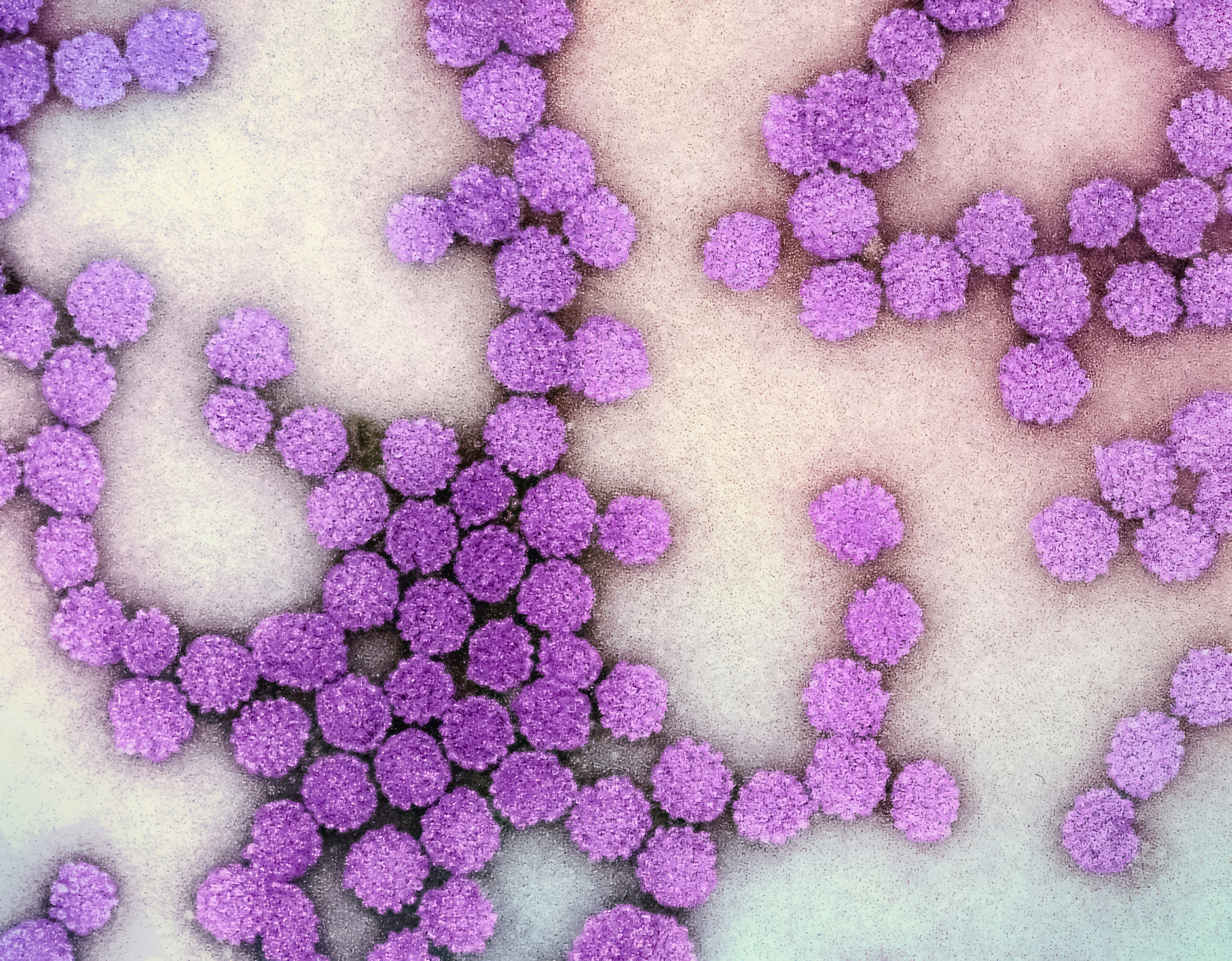
October and November brought several global health awareness days that spotlight critical issues affecting millions worldwide. From diabetes and antimicrobial resistance to breast cancer and mental health, these observances remind us of the importance of research, prevention, and equitable care. In this round-up, we share content highlights from the Research Communities, showcasing expert insights, research breakthroughs, and practical strategies that aim to improve health outcomes globally.
World Diabetes Day
World Diabetes Day honours Sir Frederick Banting, co-discoverer of insulin, and raises awareness of diabetes prevention and care. This year’s theme is Diabetes and well-being and emphasizes holistic approaches, including workplace health and oral health integration. These featured blogs explore the underestimated link between oral health and glycaemic control, the barriers to screening uptake in Indonesia, and the transformative potential of oral GLP-1 medications for obesity and diabetes management.
Together, these insights highlight the need for innovative strategies and equitable access to care worldwide.
Q&A with Dr. Dániel Végh, Editorial Board Member for BMC Oral Health
Routine dental check-ups might play a big role in diabetes care. In this Q&A from @Alex Goodridge, @Daniel Vegh draws on research and his experience with type 1 diabetes and explains how oral health impacts glycaemic control and why integrating dentistry into diabetes policy could transform outcomes.
Read the whole blog from our Life in Research channel to learn about salivary biomarkers, inflammation links, and why there is a need for a holistic approach to diabetes management.
Studying Diabetes Screening Uptake in Aceh, Indonesia
Despite free screening programs in Indonesia, uptake remains low. A study of 2,000 adults by @Maja E. Marcus, @Anna Reuter , @Lisa Rogge @Farah Diba & @Sebastian Vollmer published in BMC Global and Public Health reveals barriers such as misconceptions, knowledge gaps, and socioeconomic inequalities. In in this Behind the Paper post, we learn how screening is least used among rural, lower-income groups, underscoring the need for targeted messaging and differentiated strategies for raising awareness about diabetes and hypertension.
Read the whole blog which explores why expanding access isn’t enough, and why services must be trusted and visible to communities.
The New Era of Weight-Loss Medicine
New oral GLP-1 medications could revolutionize obesity and diabetes care. @Gaetano Santulliexplains their Cardiovascular Diabetology – Endocrinology Reports publication in this Behind the Paper post, showing how much these pills help achieve weight loss, a milestone previously linked to injections. While questions remain about cost and long-term safety, Gaetano Santulli explains how oral treatments like orforglipron offer a more accessible path to effective obesity management, signalling a major shift in global health strategies.
Read the full blog to learn how GLP-1s are a powerful step toward a healthier future for diabetes and obesity care.
World AMR Awareness Week
Antimicrobial resistance (AMR) is a growing global threat that compromises the effectiveness of life-saving medicines. Recent blogs on the Research Communities unpack why AMR is accelerating across bacteria, viruses, fungi, and parasites, and how human, animal, and environmental factors contribute to this crisis.
Highlights include a global atlas mapping resistance in over 208,000 Salmonella genomes, a review of livestock antimicrobial use guidelines, and a call to action for patient and public engagement.
These resources underscore the urgency of coordinated efforts to protect our present and secure our future.
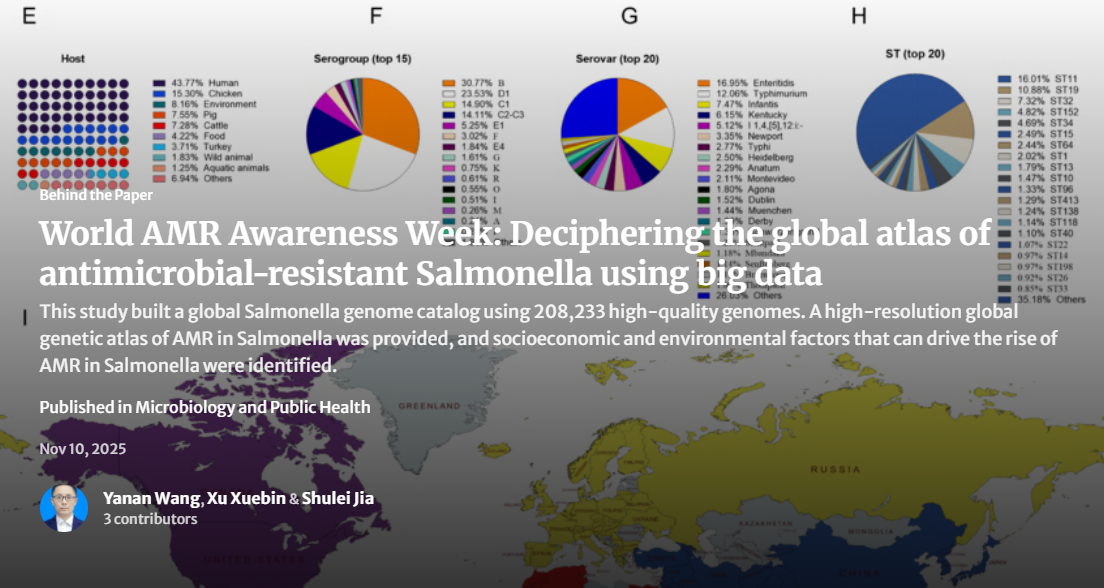
Deciphering the Global Atlas of Antimicrobial-Resistant Salmonella using Big Data
A Nature Communications study has mapped 208,000 Salmonella genomes, creating the most comprehensive global AMR atlas to date. @Yanan Wang , @Xu Xuebin & @Shulei Jia explain their findings in their Behind the Paper post and explain how rising resistance across continents and food sources, with fluoroquinolone resistance surging fastest.
Read the full blog to learn how linking AMR patterns to socioeconomic and environmental factors uncovered drivers of this growing threat and identified global hotspots.
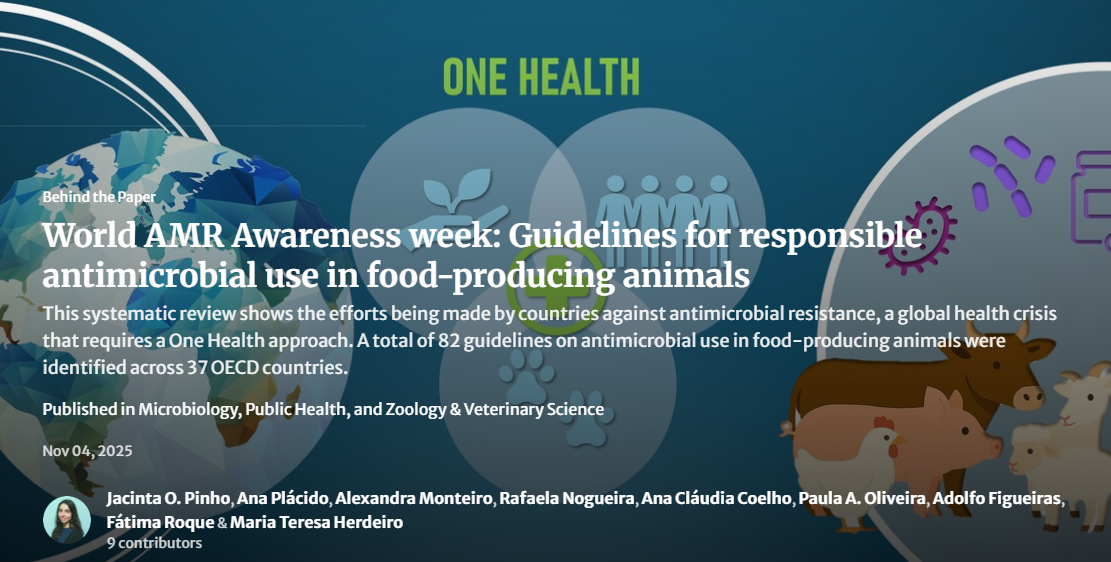
Guidelines for Responsible Antimicrobial use in Food-Producing Animals
In this Behind the Paper blog, based on a publication in One Health Outlook, @Jacinta O. Pinho and the team explore new research that examines how countries are responding to AMR. By analysing antimicrobial usage guidelines for food-producing animals across 49 OECD nations, it reveals global progress, persistent gaps, and the urgent need for stronger, more harmonised action.
Read on to uncover what their systematic review found and why it matters for safeguarding health under the One Health approach.
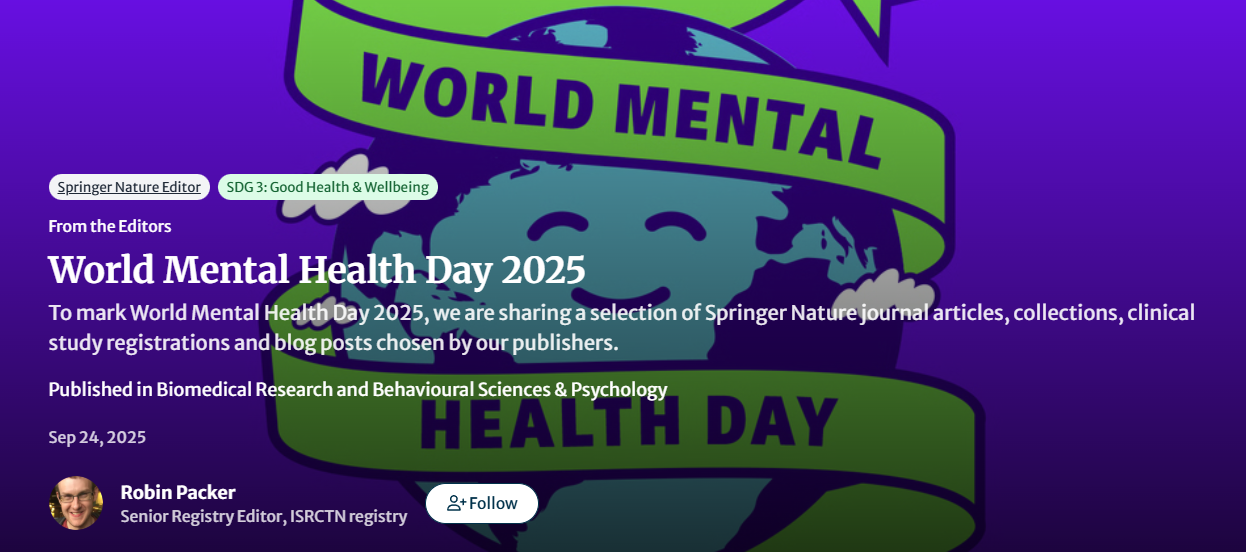
World Mental Health Day
October also celebrated World Mental Health Day, which called for global action to improve access, reduce stigma, and promote equity in mental health services. @Robin Packer’s blog explores stigma reduction, policy innovation, and community-driven solutions to close gaps in care. By sharing research and expert perspectives, the aim is to inspire global conversations that prioritize mental health as a universal right.
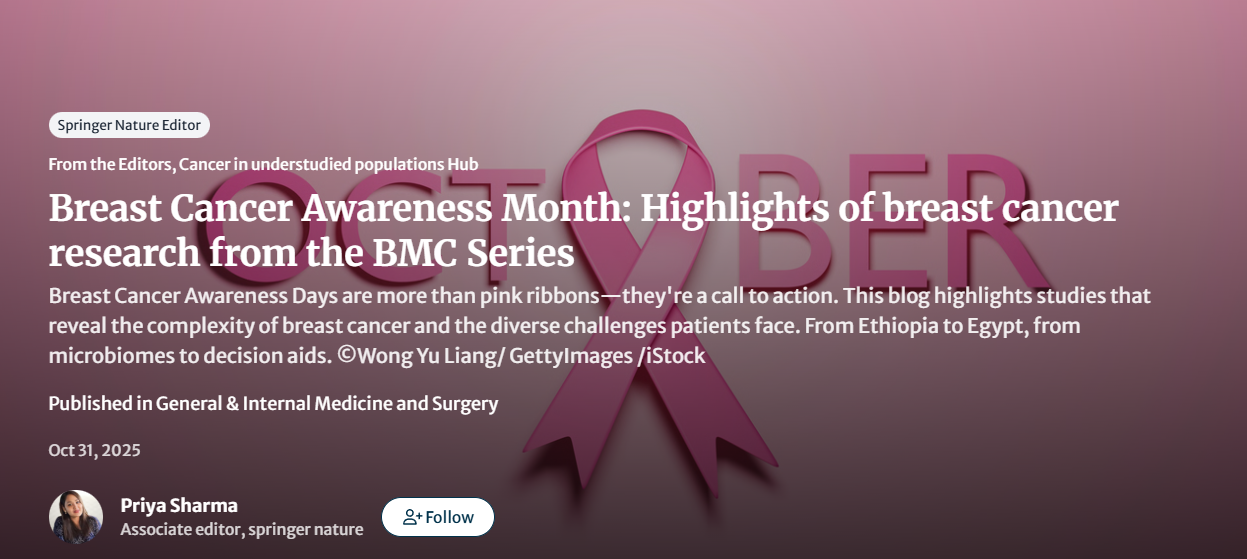
Breast Cancer Awareness Month
Breast Cancer Awareness Month in October promotes screening, education, and research for a disease affecting millions globally. @Priya Sharma’s blog highlights challenges in diagnosis, such as differentiation from conditions mimicking cancer, and innovations like decision aids that empower patients. Read the blog to explore the knowledge gaps in self-examination and stigma in medical education, underscoring the need for awareness and continued progress in care.
The conversations in the Research Communities continue to push knowledge forward. We hope these insights spark further curiosity and encourage you to explore the blogs and research even further.
Don’t forget to like and start conversations in the comment section of the posts you enjoy. Is there more you would like to learn from the author? Let them know in the comments!
Further reading:
Highlights from the Humanities and Social Sciences Communities
Highlights from the Mathematics, Physical & Applied Sciences Communities
Quarterly highlights from the Medicine and Life Sciences Communities
Follow the Topic
-
BMC Global and Public Health
An open access, transparent peer review journal publishing outstanding and influential research and opinion of broad interest to all professional communities involved in global and public health research, policy-making, implementation and delivery worldwide.
-
Nature Communications
An open access, multidisciplinary journal dedicated to publishing high-quality research in all areas of the biological, health, physical, chemical and Earth sciences.
-
One Health Outlook
This journal is a new open access journal published by BMC in collaboration with the Global One Health Community.
-
Cardiovascular Diabetology – Endocrinology Reports
This is an official companion journal to Cardiovascular Diabetology and is an open access journal publishing on clinical, translational and basic science aspects of endocrinology.



📢 Introducing: # Mental Health
Mental Health is a Topic created to increase visibility and impact of research in this area and facilitate exchange amongst researchers.
Continue reading announcementRelated Collections
With Collections, you can get published faster and increase your visibility.
Food security, nutrition, and dietary trends
BMC Global and Public Health is calling for submissions to our Collection on food security, nutrition, and dietary trends. These are interconnected elements that profoundly impact global health and well-being. As the world grapples with rapid population growth, climate change, and economic disparities, the challenges surrounding food access, quality, and sustainability have intensified. This Collection aims to gather diverse research that examines these complex relationships, focusing on how dietary patterns, food availability, and nutritional status influence overall health outcomes. By exploring the multifaceted nature of food systems, this Collection seeks to showcase pathways to achieve improved food security and nutritional health worldwide.
The goal of this Collection is to build a comprehensive body of knowledge that informs policy and practice. We encourage submissions that investigate:
Impact of dietary patterns on health outcomes
Addressing food insecurity through policy
Role of ultra-processed foods in nutrition
Personalized nutrition and dietary therapy
Nutritional supplements for malnutrition
This Collection supports and amplifies research related to SDG 2: Zero Hunger and SDG 3: Good Health and Well-Being.
We encourage work from local, regional, national, and global partnerships and collaboration among multidisciplinary scientists using multiple methodologies. We ask that authors be careful to use non-stigmatizing/preferred language in their manuscripts as outlined in relevant language guidelines for their respective fields.
All manuscripts submitted to this journal, including those submitted to collections and special issues, are assessed in line with our editorial policies and the journal’s peer-review process. Reviewers and editors are required to declare competing interests and can be excluded from the peer review process if a competing interest exists.
Publishing Model: Open Access
Deadline: Nov 28, 2026
Women's Health
Publishing Model: Hybrid
Deadline: Ongoing