Offshore freshened groundwater in large-river deltaic estuaries and adjacent shelf
Published in Earth & Environment

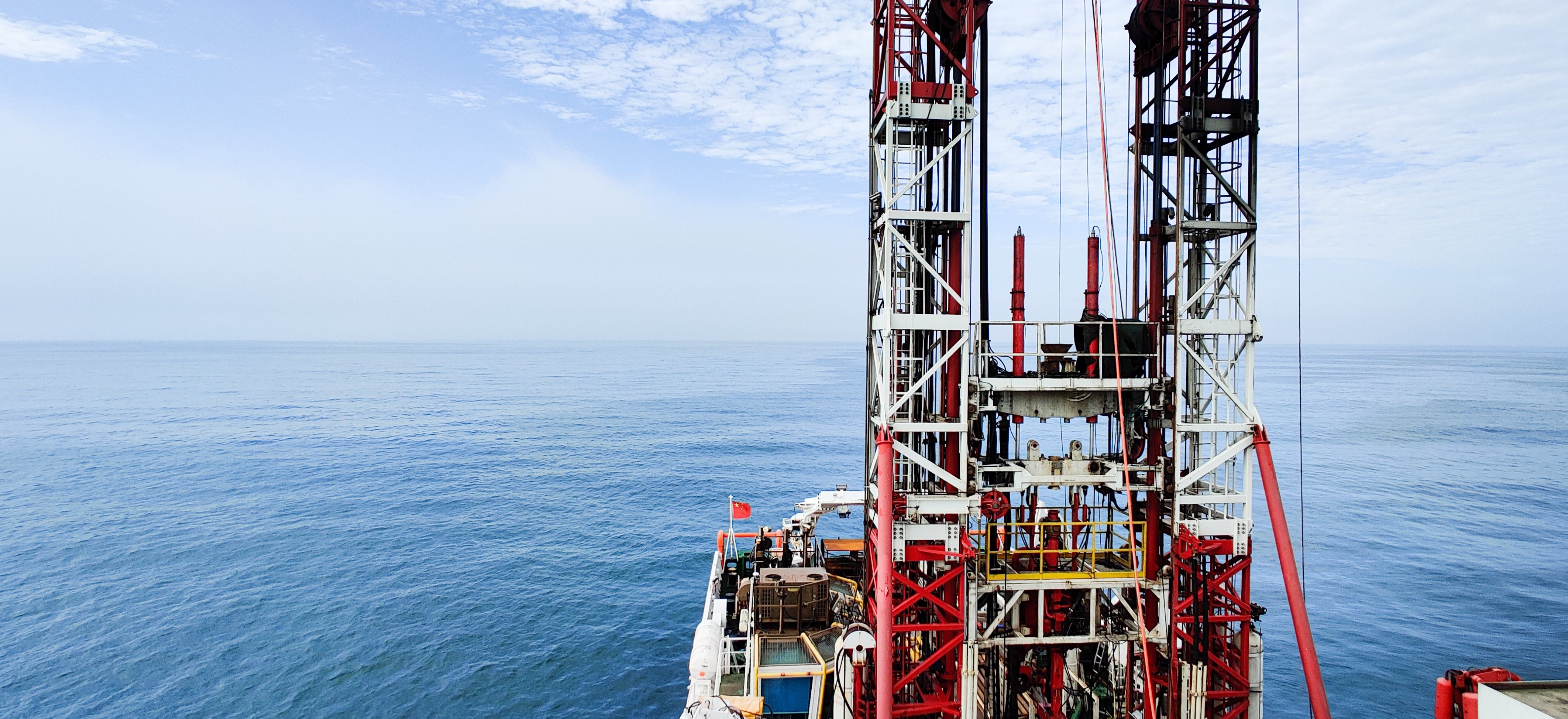




Offshore freshened groundwater (OFG) refers to the water stored in sub-seafloor sediments and fractured rocks, with a salinity lower than that of overlying seawater [Jiao and Post, 2019]. Large-river deltaic estuaries (LDEs) and adjacent shelves have undergone multiple transgressions and regressions, forming interlayered aquifer-aquitard (low-permeability layer) systems that host vast paleo-terrestrial groundwater hundreds of kilometers offshore. The utilization of OFG could enhance coastal societies' resiliency to rising water demands, and the presence of OFG also serves as an essential component of benthic and sub-seafloor biogeochemical cycles. This study aims to answer fundamental questions related to OFG in LDEs and their adjacent shelves, including (1) whether estuaries and adjacent shelves of larger rivers serve as a hotspot for OFG storage; (2) what the provinces and formation mechanisms of OFG in typical LDEs and their adjacent shelves are; and (3) what are the primary water sources of OFG in LDEs and their adjacent shelves?
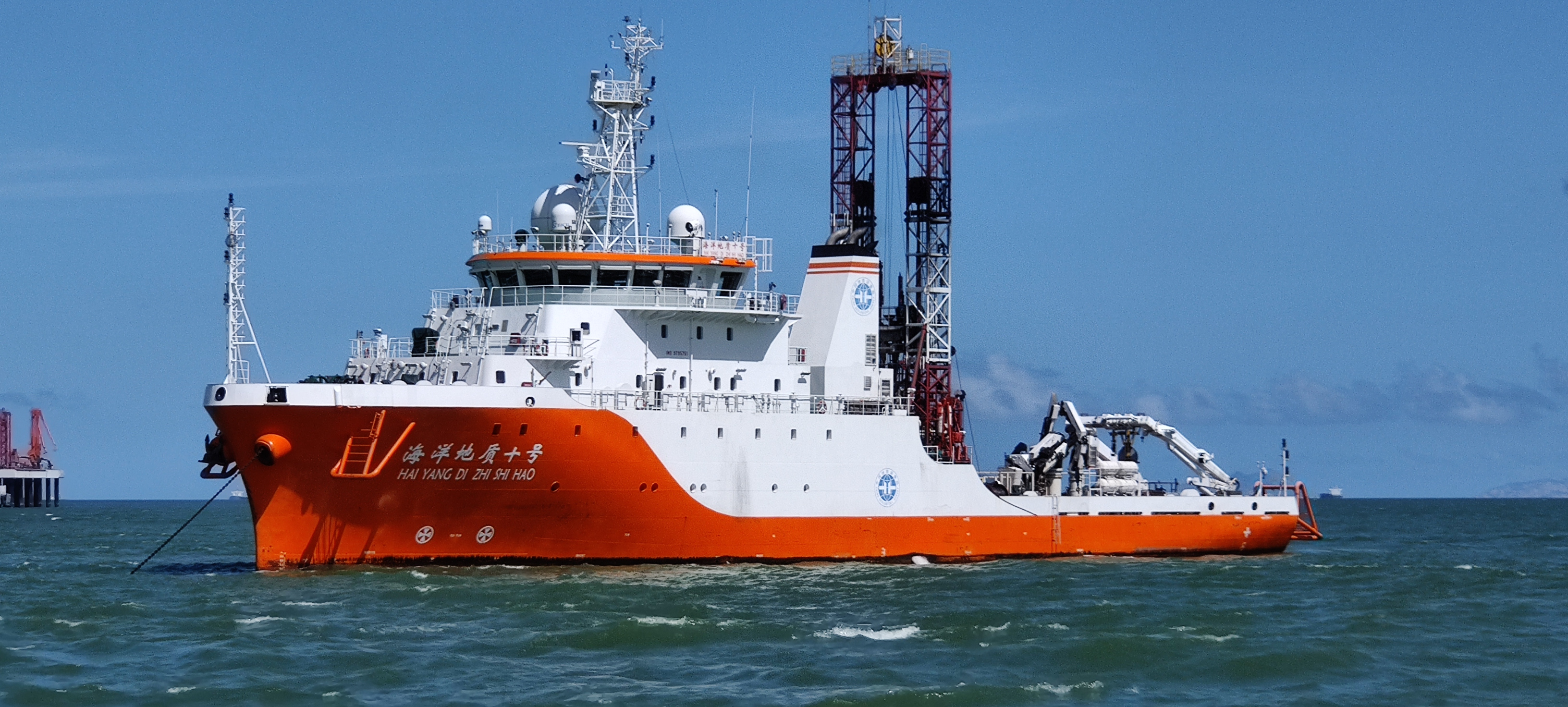
Offshore freshened groundwater in the Pearl River estuary and adjacent shelf | Over the last 20 years, we have undertaken studies on offshore hydrogeology and porewater geochemistry in the paleo-delta of the Pearl River to address scientific issues related to OFG storage. We have first identified OFG around Lantau Island in Hong Kong [Jiao, et al., 2015], then extended our study to the entire South China Sea, with emphasis on the northern continental shelf [Luo et al., 2018]. In recent years, we have accelerated our research on OFG in Pearl River estuary and the adjacent shelf, thanks to financial support from the key program of National Natural Science Foundation of China, Innovation Group Project of Southern Marine Science and Engineering Guangdong Laboratory (Zhuhai), and Hong Kong General Research Fund. To extract porewater for analysis, offshore boreholes were drilled using the ocean drilling vessel “Haiyang Dizhi-10”. Various physio-chemical parameters were then analyzed from the porewater. The calculated static volume of OFG in the inner shelf aquifer system was found to be 61.7 km3. However, it is expected that OFG extends beyond the inner shelf, as the minimum salinity of porewater in the farthest borehole is only 1-9, still well below the salinity of seawater at 30. Using two-dimensional hydrogeologic models, the potential static volume of OFG in the entire subaqueous delta is estimated to be 575.6 ± 44.9 km3.
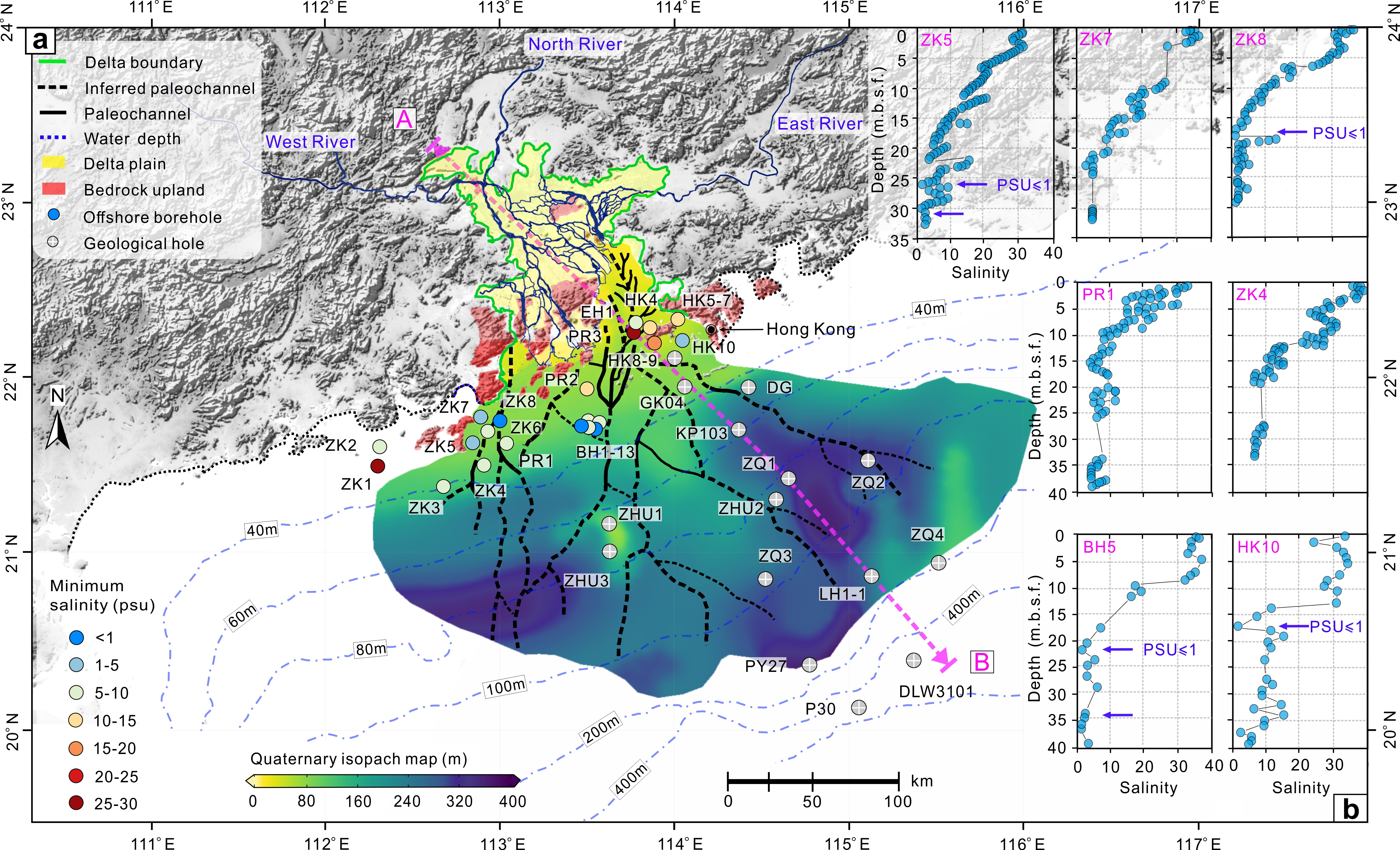
The origin of the OFG as indicated by hydrogeochemical properties and isotopic compositions | OFG found in the Pearl River estuary and shelf contains a significantly lower concentration of major dissolved ions, such as Na+, K+, Ca2+, Mg2+, Cl-, compared to the overlying seawater. As a result, OFG can be used as a raw source water for desalination resulting in cost and energy savings compared to desalinating seawater. Additionally, the low concentration of heavy metals and trace elements in OFG in the Pearl River estuary and shelf, compared to the overlying seawater, result from the mostly paleo-groundwater of the OFG and the presence of aquitards as protective layers that limit the influence of seawater. Hydrogeochemical and stable isotopic data, including δ18O and δ2H, suggest that the OFG found in the Pearl River estuary and shelf likely originated from paleo rainwater recharge rather than the decomposition of buried gas hydrates or clay mineral dehydration. It is believed that such a large volume of OFG should also widely exist in other LDEs and their continental shelves in the world.
References:
Jiao J.J. & V. Post, 2019, Coastal Hydrogeology, Cambridge University Press.
Jiao, J. J., Shi, L., Kuang, X., Lee, C. M., Yim, W. W. S., & Yang, S. (2014). Reconstructed chloride concentration profiles below the seabed in Hong Kong (China) and their implications for offshore groundwater resources. Hydrogeology Journal, 23: 277-286.
Luo, X., Jiao, J. J., Moore, W. S., Cherry, J. A., Wang, Y., & Liu, K. (2018). Significant chemical fluxes from natural terrestrial groundwater rival anthropogenic and fluvial input in a large-river deltaic estuary. Water Research, 144, 603-615.
Follow the Topic
-
Nature Communications
An open access, multidisciplinary journal dedicated to publishing high-quality research in all areas of the biological, health, physical, chemical and Earth sciences.

Related Collections
With Collections, you can get published faster and increase your visibility.
Women's Health
Publishing Model: Hybrid
Deadline: Ongoing
Tumor Microenvironment Crosstalk and Therapeutic Implications
Publishing Model: Hybrid
Deadline: Nov 02, 2026


Please sign in or register for FREE
If you are a registered user on Research Communities by Springer Nature, please sign in