Promoting open science through the sharing of genomic and genetic data: introducing BMC Genomic Data
Published in Research Data

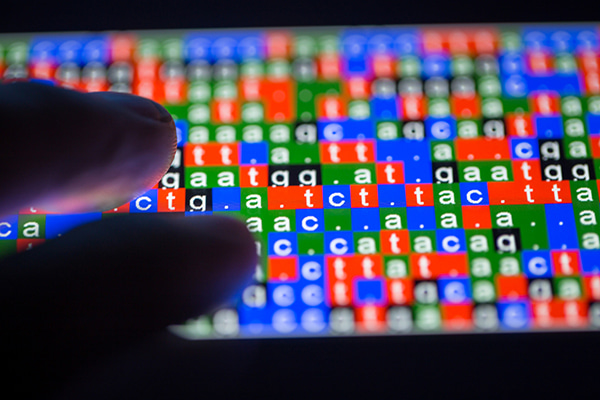

The BMC Series has always supported open science, making high quality research open to anyone who wanted to access and use it, particularly for the genetics and genomics community. Continuing this tradition of open research today, and responding to researcher’s needs in this field, we are delighted to announce that BMC Genetics has been re-launched as BMC Genomic Data.
BMC Genomic Data is a new home for genomic and genetic data, welcoming submissions of our new ‘data note’ article type to describe genetic and genomic datasets. The journal will also consider articles that include analyses of new or existing genomic data, particularly with a focus on advancing data sharing and reuse to support reproducible research.
Our sister journal BMC Research Notes pioneered the data note, and has become a dedicated open access forum for research outputs across all scientific fields which might otherwise remain unpublished. Because of the importance of open data to the genomics community, we’ve decided to re-launch BMC Genomic Data as a subject-specific outlet to help researchers share their work and get credit for their contributions.
By publishing your genomic data, you can make it easier to find, cite and share, and when a full research article is ready to publish, link the two publications so readers can easily access the data.
If you want to know more about BMC Genomic Data, read our blog and FAQs, or feel free to get in touch!
Follow the Topic
-
BMC Genomic Data
An open-access, peer-reviewed journal that welcomes submissions that describe genomic and genetic research data, report new analyses of genomic data and introduce community databases.

Related Collections
With Collections, you can get published faster and increase your visibility.
Marine data notes
The last century has seen a large and rapid expansion of human activities which in turn has been destroying ecosystems that had been developing for billions of years. Indeed, growing economic activities often lead to the extinction of species, the degradation of habitats, and the direct destruction of organic life. Human-made global warming is one of the key factors contributing to the sixth mass extinction of species. The ocean has long taken the brunt of the impacts of climate change and has been influenced by the rise in temperature and the associated marine water acidification. These processes are gradually altering the ocean's unique landscapes and biodiversity.
Marine life, from unicellular microorganisms to mammals, is struggling to adapt to new environments and change their distribution and ecological niches. Some of these species are going extinct, while others manage to find rescue and stay alive. Environmental changes and ecosystem destruction have a substantial effect on Earth. However, they also provide exciting opportunities to understand the origin and the evolution of life using elaborate modern methods for observations and outstanding data analysis capabilities.
BMC Genomic Data is calling for submissions to our Collection on marine genomics data notes for early-career researchers (marine biologists, marine ecologists, and evolutionary biologists) on their first step in understanding the world ocean's biodiversity during this era of substantial changes using molecular genetics, genomics, and bioinformatics methods.
For this Collection, we invite data notes describing the application of modern methods for phylogenetic analyses, as well as speciation and molecular evolution studies of marine species in changing environments. Experimental studies demonstrating the importance of epigenetic factors (i.e. non-coding RNAs and RNA/DNA modifications) in adaptation to changing environments and research focused on describing the role of interspecific hybridization and its adaptive potential are also welcome. With this collection we would like to promote the sustainable development goal SDG 14: Life Below Water.
For research papers, please submit to our sister collection, Third dive into marine genomics, featured in BMC Genomics.
N.B. As we understand the importance of the first steps for marine genomics, for this collection BMC Genomic Data would like to encourage manuscripts where the first author is an early-career researcher (BSc, MSc, or PhD student or scientist with no more than 5 years of research experience after the PhD). However, submissions are not limited to this group. As per our policy, APC waivers are available for corresponding authors based in countries listed here: apc waivers | Open research | Springer Nature.
All manuscripts submitted to this journal, including those submitted to collections and special issues, are assessed in line with our editorial policies and the journal’s peer-review process. Reviewers and editors are required to declare competing interests and can be excluded from the peer review process if a competing interest exists.
Publishing Model: Open Access
Deadline: Dec 11, 2026
Genomics of livestock - Part II
As the global population continues to increase and is expected to approach 10 billion by 2050, the world is facing unprecedented challenges such as climate change. It is estimated that global demand for animal products will increase by 70% by 2050. Increasing animal production will require a deep understanding of animal biology through genetics and genomics to feed the world's growing population. In addition, consumers demand the consumption of high-quality products.
Genetics and genomics will play a key role in increasing the efficiency of livestock production systems. In this context, high-throughput genomics technologies are currently driving significant changes in how genetic improvement is implemented in domestic animal species. These new technologies have produced an incredible amount of data. This data has been used in a wide range of scientific studies, from the development of reference genomes to the expression profiling of thousands of genes.
Current genetic and genomic selection must target animal production, product quality, reproduction, health, and welfare in such a way that a high-quality, safe, healthy, and affordable food supply is available to people around the world.
Therefore, in support of the United Nations sustainable development goal SDG 2: Zero Hunger, BMC Genomic Data invites submissions for our upcoming Collection, Genomics of livestock - Part II. This collection aims to showcase innovative research in livestock genomics. We invite researchers and experts in the field to submit original research articles and data notes that explore, but are not limited to, the following topics:
- New livestock genomes
- Omics dataset of livestock
- Comparative genomics of livestock
- Livestock genomic selection
- Livestock genome editing
All manuscripts submitted to this journal, including those submitted to collections and special issues, are assessed in line with our editorial policies and the journal’s peer-review process. Reviewers and editors are required to declare competing interests and can be excluded from the peer review process if a competing interest exists.
Publishing Model: Open Access
Deadline: Feb 26, 2027