Rice Bran Oil and Type 2 Diabetes: A Small Trial with Encouraging Signals
Published in Healthcare & Nursing, Biomedical Research, and General & Internal Medicine
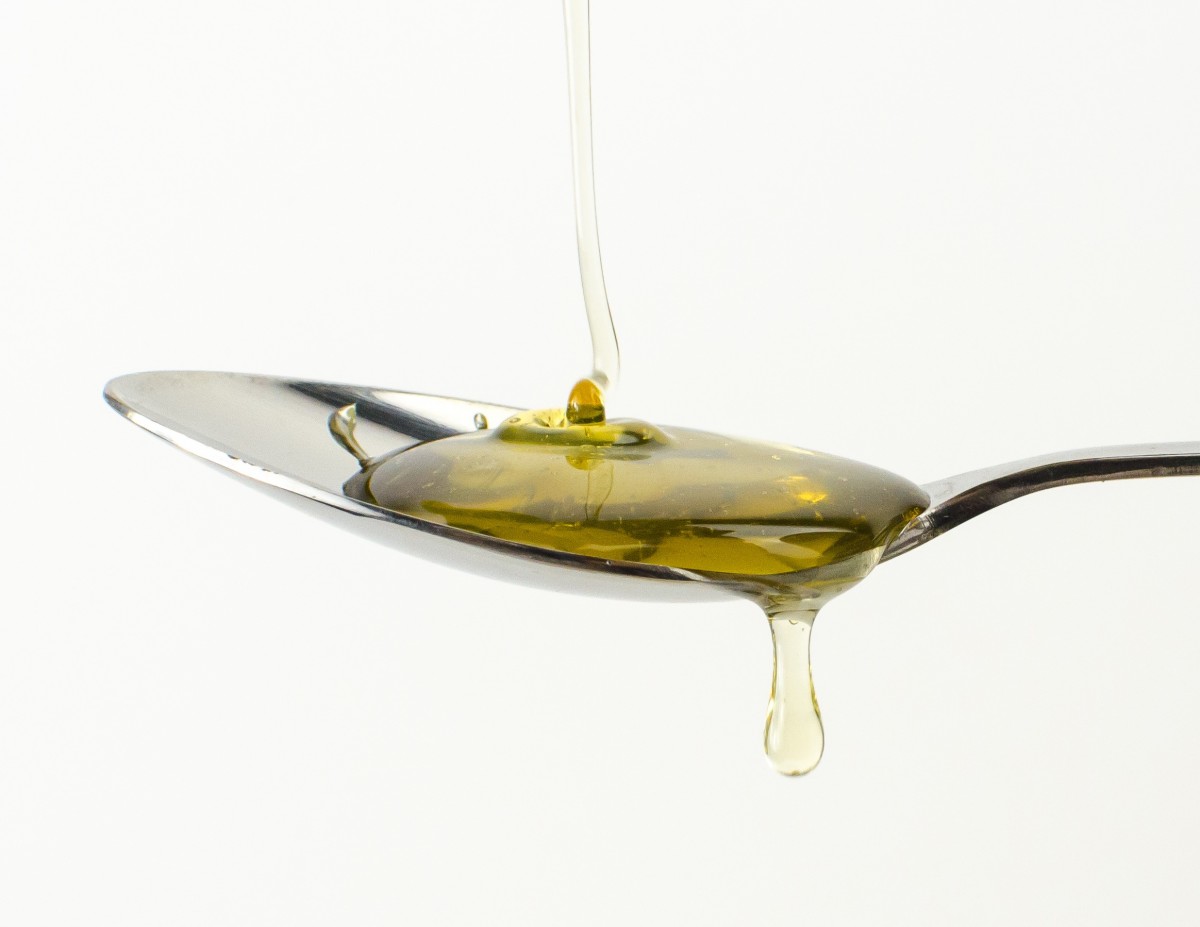

Dietary fats continue to attract attention in diabetes research, not only because of their role in energy intake, but also because different oils contain distinct bioactive compounds. A study recently published in Nutrire examined whether extra virgin rice bran oil supplementation could provide additional benefits for people with type 2 diabetes who were already following a standard diet in which olive oil was the main fat source.
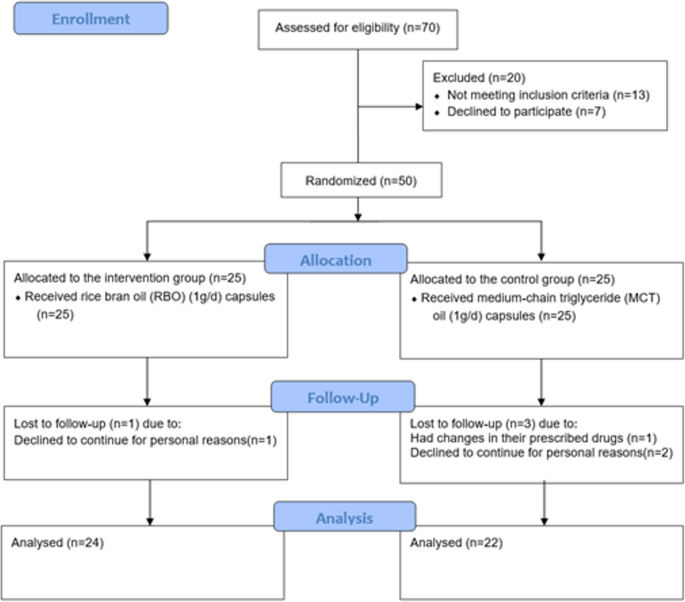
The randomized, double-blind clinical trial enrolled 50 adults with type 2 diabetes. Participants received either 1 g/day of extra virgin rice bran oil capsules or a placebo for 12 weeks while maintaining the prescribed dietary pattern. The researchers evaluated a range of outcomes, including glucose metabolism, insulin resistance, lipid profiles, antioxidant status, and indices associated with cardiometabolic risk.
Among the 46 participants who completed the study, the rice bran oil group showed lower fasting blood glucose levels compared with the placebo group. The intervention was also associated with improvements in several markers linked to insulin resistance, including METS-IR, TyG index, and TyG-BMI. These findings suggest that rice bran oil may influence metabolic pathways relevant to diabetes management, although not all measures changed to the same extent.
Phytochemicals
The study also reported increases in antioxidant capacity and superoxide dismutase activity, alongside reductions in total cholesterol, LDL cholesterol, and the atherogenic index. Rice bran oil is known to contain compounds such as γ-oryzanol and other phytochemicals that have been investigated for their potential antioxidant and lipid-modulating properties, making these observations particularly interesting for researchers studying the relationship between dietary fats and metabolic health.
At the same time, several outcomes remained unchanged. The intervention did not lead to significant between-group differences in HbA1c, postprandial glucose, triglycerides, or body mass index. These results provide a useful reminder that improvements in some metabolic markers do not automatically translate into changes across all clinically relevant endpoints, especially within a relatively short intervention period.
The authors note important limitations, including the modest sample size and the 12-week duration of the trial. As a result, the findings should be viewed as preliminary rather than definitive. Larger and longer-term studies will be needed to determine whether the observed improvements can be replicated and whether they lead to meaningful clinical benefits over time. Even so, this work adds to the growing body of research exploring how specific dietary oils and their bioactive components may contribute to metabolic health in people with type 2 diabetes.
Image source: pxhere
Text was created with the assistance of AI.

Follow the Topic
-
Nutrire
Nutrire publishes rigorous, impactful research that advances human nutrition and food science from molecule to population - translating discovery into clinical practice and public‑health action.

Related Collections
With Collections, you can get published faster and increase your visibility.
Nutrition and Menopause: Strategies for Women’s Health and Well-being in Midlife and Beyond
Scope and objectives
Menopause represents a pivotal stage in women’s lives, characterized by profound hormonal changes that influence metabolism, body composition, bone density, cardiovascular health, and psychological well-being. These physiological transitions often coincide with lifestyle shifts and increased vulnerability to chronic conditions such as osteoporosis, cardiovascular disease, and metabolic syndrome. Nutrition emerges as a cornerstone for mitigating these risks and enhancing quality of life during midlife and beyond.
This Topical Collection aims to provide a comprehensive platform for cutting-edge research and evidence-based strategies that address the intersection of nutrition and menopause. By consolidating knowledge from clinical trials, observational studies, systematic reviews, and innovative interventions, we seek to advance understanding of how dietary patterns, nutrient intake, and lifestyle factors can optimize health outcomes for women during the menopausal transition and postmenopause.
Key objectives include (but are not limited to):
- Exploring Mechanisms: Understanding how hormonal changes interact with nutritional status, metabolism, and gut microbiome composition.
- Evaluating Interventions: Assessing the efficacy of dietary strategies (e.g., Mediterranean diet, plant-based diets, phytoestrogen-rich foods) in alleviating vasomotor symptoms, improving bone health, and reducing cardiometabolic risk.
- Promoting Healthy Aging: Identifying nutritional approaches that support cognitive function, mental health, and physical vitality in midlife women.
- Personalized Nutrition: Investigating nutrigenomics, digital health tools, and tailored dietary plans for individualized care.
- Global and Cultural Perspectives: Examining how cultural dietary practices and socioeconomic factors influence menopause-related health outcomes.
This Topical Collection will serve as a resource for clinicians, dietitians, researchers, and policymakers committed to improving women’s health through nutrition science.
How to submit
Please do not forget to select the collection during the submission process and also to mention the collection in your cover letter.
Publishing model
Nutrire is a hybrid journal: you can publish either in the traditional model (no fees to authors) or open access (an APC applies). More information here.
Publishing Model: Hybrid
Deadline: Ongoing