


One of the most puzzling research findings emerging from the COVID-19 pandemic is smoking predicting a lower risk of COVID-19.
Smoking is one of the most studied risk factors of ill-health, dating back to the landmark paper by Doll and Hill on smoking and cancer in 1950. We know smoking is harmful for health and especially for the respiratory system. The public health community was thus puzzled when the first reports (coming primarily from hospitalised patients in China) showed that the proportion of smokers was very low among patients hospitalised due to COVID-19. A proposed explanation was that nicotine could have biological effects protecting from SARS-CoV-2 binding to the respiratory system (therefore, reducing the risk of infection). Others suggested these findings could be due to selection bias, i.e. hospitalised patients were very different from the general population. As the COVID-19 pandemic went on, more studies in different settings confirmed the earlier results (see the excellent review by Simons et al), lending less credence to the selection bias hypothesis.
A recent paper from our Tobrisk-CoV Consortium, “Tobacco use and risk of COVID-19 infection in the Finnish general population” published by Scientific Reports on November 28, 2022 shed some light to this paradoxical mystery. Nordic countries offer an exciting opportunity, not only for their beautiful data (and researchers :) but also because, besides smoking, people consume moist smokeless tobacco (snus). This is a small pouch of tobacco that goes under the lip. Snus contains high doses of nicotine but unlike cigarettes, not the other harmful chemicals from tobacco combustion. If nicotine was protective, we would expect a reduced risk of COVID-19 among snus users compared to non-users.
On the contrary, our paper shows that snus users have a 68% higher risk of COVID-19 compared to non-users. Daily smokers also had a higher risk of COVID-19 but our confidence intervals were wide. In the period before COVID-19 vaccinations, daily smokers also showed a lower risk of COVID-19. We did not find clear evidence of an association for e-cigarettes and nicotine replacement products due to the low prevalence of their use. Taken together, our results suggest that nicotine might not have the protective role others have hypothesised. The data came from nationally representative surveys, reducing the risk of selection bias.
If it wasn’t nicotine, what could it be? Smokers might be less exposed to the virus due to fewer social contacts, unobserved personality characteristics or jobs carried out in open spaces. Alternatively, some smokers might have chronic respiratory symptoms, meaning that they won’t get tested when cough or milder respiratory symptoms appear. Such selective testing could also be a potential explanation. Our coming papers are exploring some of these hypotheses, exciting!
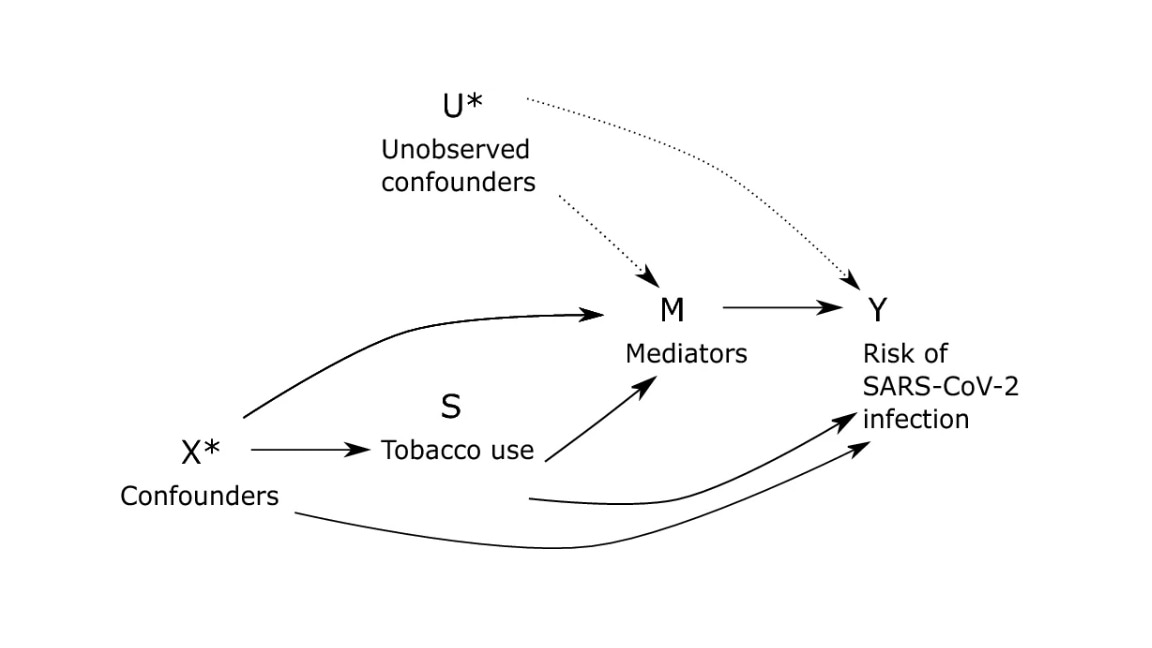
We also adopted a radical transparency approach in this paper, allowing the scientific community to have full insight on the study methods. We pre-registered the analyses, developed a harmonisation protocol to combine three population surveys (which is included in full in the Supplementary Appendix), built our models based on a directed acyclic graph and published the statistical code.

Follow the Topic
-
Scientific Reports
An open access journal publishing original research from across all areas of the natural sciences, psychology, medicine and engineering.

Related Collections
With Collections, you can get published faster and increase your visibility.
Cancer Prevention and Control
Publishing Model: Hybrid
Deadline: Feb 19, 2027
Healthy Aging
Publishing Model: Open Access
Deadline: Dec 31, 2026