Time to grow up: ancient climate event favoured the rise of metamorphosing salamanders
Published in Earth & Environment, Ecology & Evolution, and Zoology & Veterinary Science
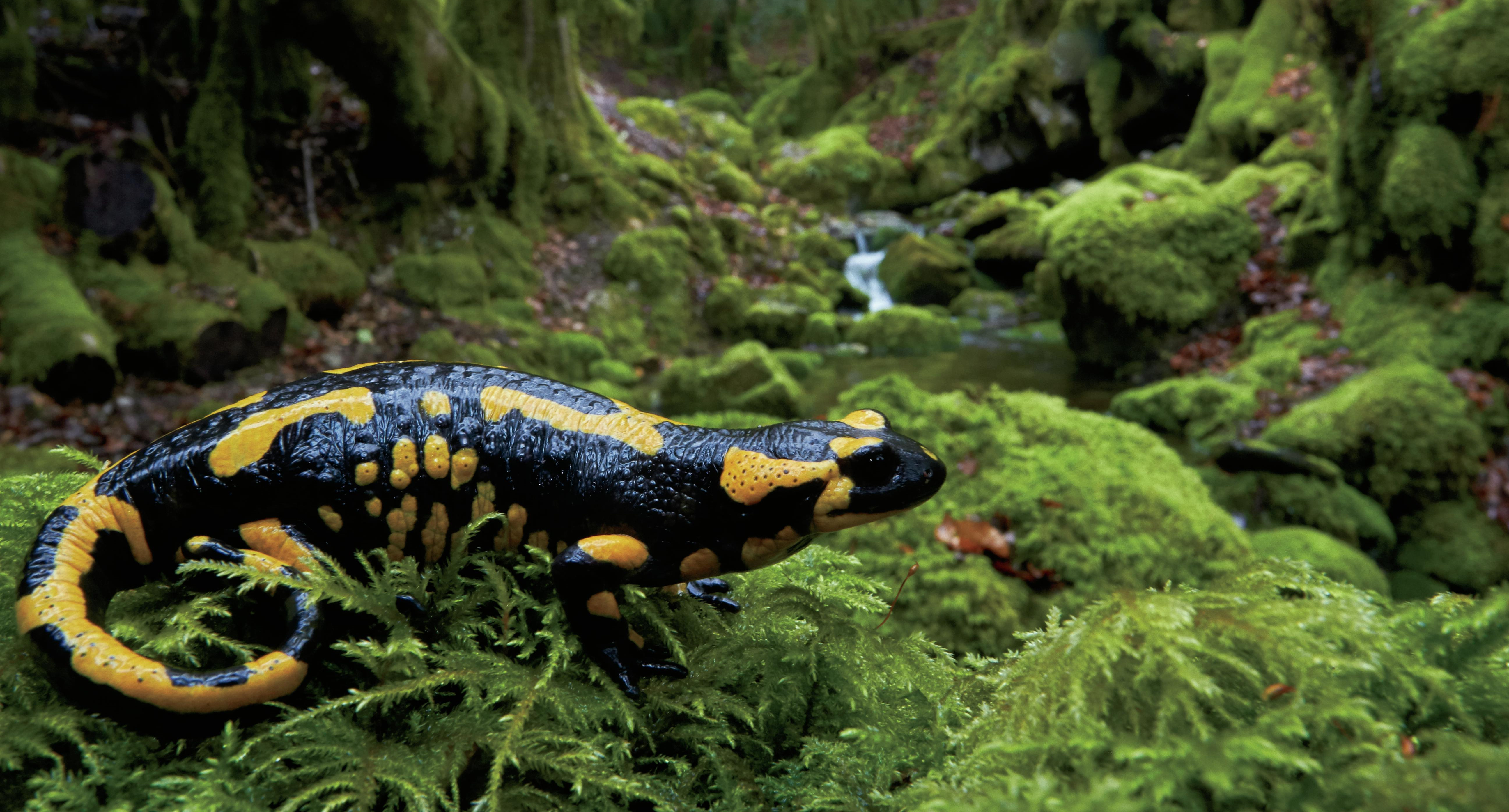





Amphibians – including frogs and salamanders – are highly sensitive to environmental changes, making them important ecological indicators and vulnerable to modern climate disruptions. Understanding how these species responded to past climate crises can help us better protect them in the future.
A new study published in Proceedings of the Royal Society B reveals that one of the most dramatic global warming events in Earth’s history – the Paleocene-Eocene Thermal Maximum (PETM), around 56 million years ago – played a key role in the early evolutionary success of the most diverse group of European salamanders: the family Salamandridae, which includes both true salamanders and newts.
The PETM was a brief but intense period of global warming and regional aridification, lasting less than 100,000 years. It triggered significant ecological upheavals, particularly in Europe. An international team of researchers from institutions in Italy, Switzerland, Germany, and Spain – led by Dr. Loredana Macaluso, palaeontologist at the Natural Sciences Museum of Turin – has described fossil amphibians from the Paris Basin, discovered in historical collections housed at the Natural History Museum of Basel (Switzerland; Fig. 1).
.jpeg)
The data in the paper provide the earliest known record of two new genera of the extant family Salamandridae (Fig. 2) and allow researchers to incorporate these ancient forms into a phylogenetic tree for the first time. Using a newly developed morphology-based character matrix, the study reconstructs relationships among extinct and extant salamanders. These two new genera are recovered at the base of the two groups of the extant newts and the extant true salamanders respectively.
.png "Figure 1. Fossil vertebrae of the new genera of salamanders Duffaudiella and Eotriton.")
One of these genera, Duffaudiella, was named in honour of the French palaeontologist Sylvain Duffaud, as symbolic recognition of his foundational work on fossil salamanders of Western Europe in his PhD thesis from the 2000.
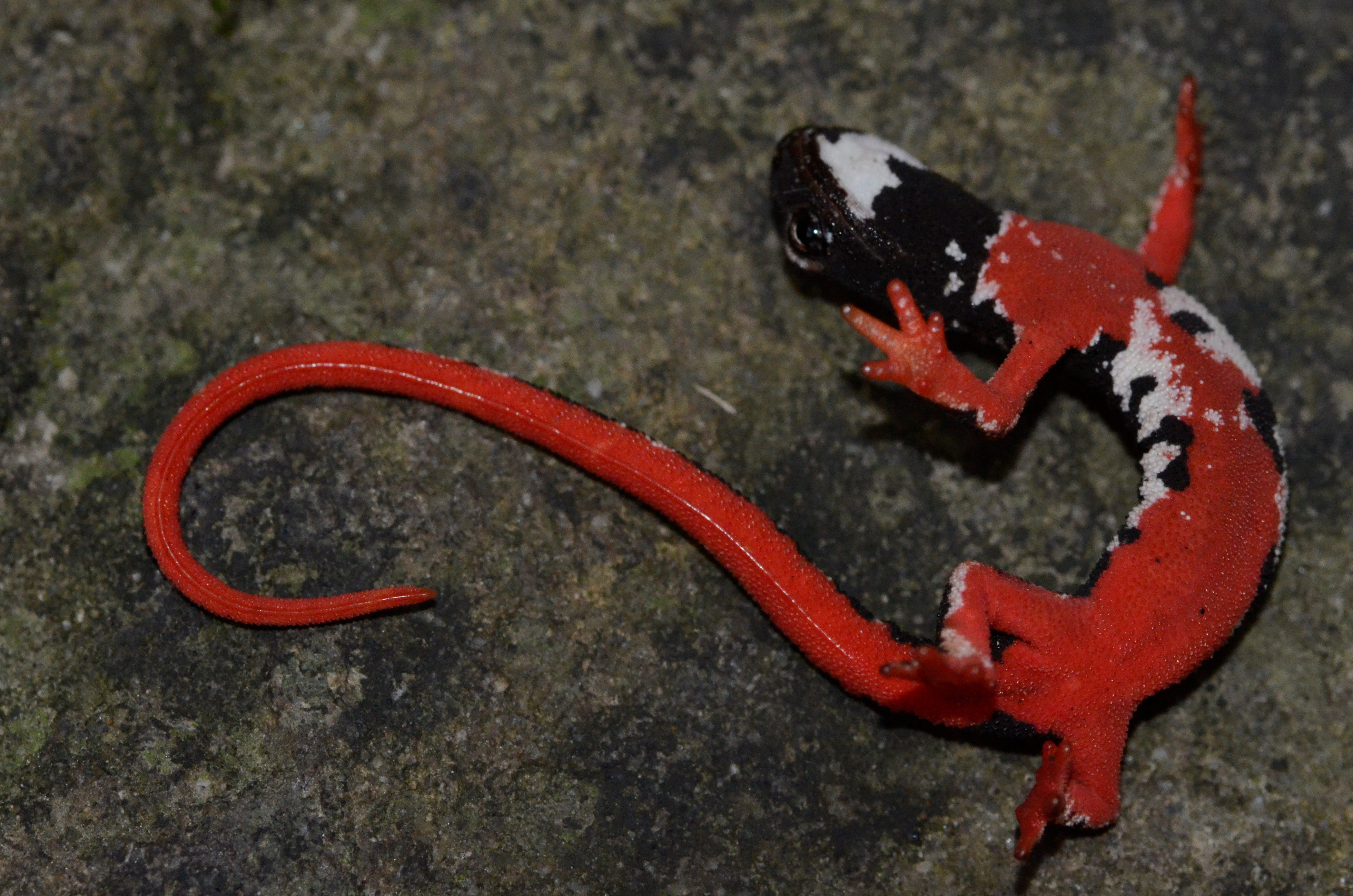
Another key finding of the paper is the identification of the oldest salamandrid, Koalliella genzeli, as the closest relative to the modern genus Salamandrina, the spectacled salamander, today endemic to Italy (Fig. 3). The osteology of this salamander has been the focus of palaeontologists at the Department of Earth Sciences in Turin for many years, and of Dr. Loredana Macaluso since the early stages of her career.
While frogs appear to have weathered the PETM with little evolutionary change, salamanders responded quite differently. The researchers found that the PETM coincided with a surge in diversification among metamorphosing, likely terrestrial salamanders in Western Europe, likely due to local aridification connected with the rapidly rising temperatures. This pivotal event set the stage for Salamandridae to become the dominant salamander group in the Palearctic today.
Beyond revealing the deep-time origins of modern salamanders, the study underscores how climate crises can reshape evolutionary trajectories – a message with powerful relevance in our current era of accelerating global change.
Cover image courtesy of Quentin Martinez
I mainly work on taxonomy, phylogeny and biogeography of fossil salamanders from the Cenozoic. I also worked on the ecological and climatic characterisation of extant and extinct reptiles and amphibians, as well as Paleobotany, Paleobiology and Evolutionary Biology, focusing on macroevolutionary trends.