Understanding soil carbon dynamics in permafrost ecosystem from microbial aspects
Published in Earth & Environment and Sustainability



Permafrost carbon dynamics under climate warming
Permafrost-affected areas occupy approximately 15% of the global land area, but store more than 30% of the global soil carbon. Rapid climate warming, twice to four times faster than the global average, has accelerated microbial decomposition of soil carbon in permafrost region. Under this scenario, whether permafrost region would act as a “carbon bomb” is attracting increasing attention in recent decades. It is generally considered that more microbial-associated greenhouse gas emission from thawed permafrost would trigger a positive climate feedback. In other words, previous studies in permafrost regions primarily focused on microbial roles in affecting soil carbon loss. In fact, soil microorganisms are also important drivers of soil carbon stabilization, with microbial-derived carbon being major stable soil carbon fractions. Therefore, understanding microbial responses to climate warming and its mediation over soil carbon loss and stabilization is urgently needed to better forecast permafrost carbon dynamics under climate warming. This is the key motivation of the current study. Specifically, to seek experimental evidence about this key scientific issue, I chose the in situ warming experiment established by our research team and determined a suite of microbial attributes related to soil carbon release and stabilization. Based on a large-number of field and laboratory work, I expected to advance the current understanding about microbial roles beyond soil carbon loss in permafrost region.
In-situ warming experiment
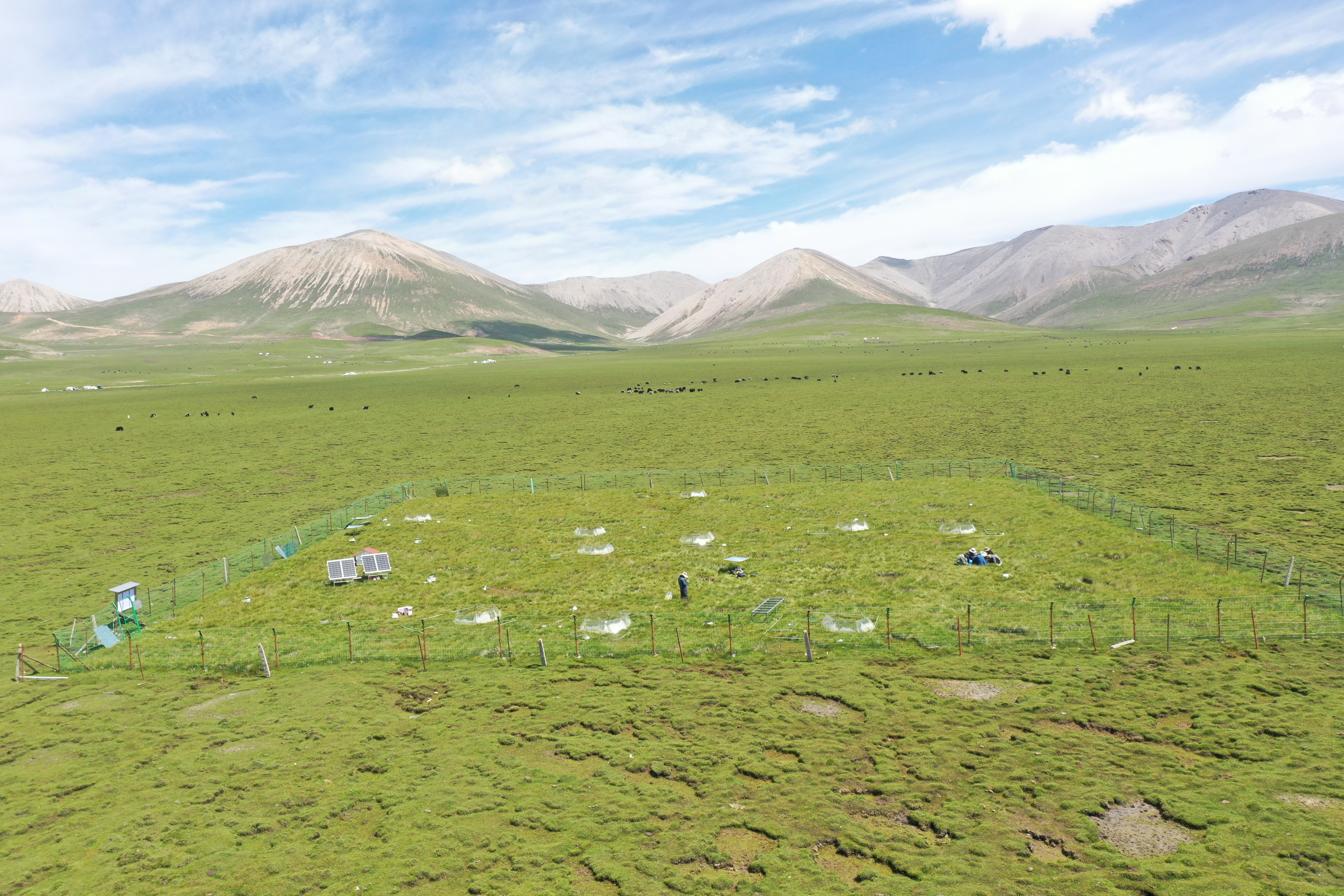
As mentioned above, my study is mainly based on a long-term warming experiment in alpine permafrost region on the Tibetan Plateau. This experimental platform was proposed by Prof. Yuanhe Yang, the principal investigator of our research team, when he joined the Institute of Botany, Chinese Academy of Sciences in 2012. After conducting several field trips, he selected a site at the foot of Wayan Mountain in Gangca County, Qinghai Province. The high elevation (3800 m a.s.l.) and cold climate (mean annual air temperature -3.4°C) have developed discontinuous permafrost at the site. In June 2013, Dr. Yunfeng Peng from Prof. Yuanhe Yang’s team started to establish the platform with the help of other lab members. They fenced a 50 × 50 m area at the site, and randomly set ten 4 × 4 m blocks within the area. Each block contains both the control and warming plots, with the warming treatment being realized by a hexagonal open top chamber constructed from transparent polymethyl methacrylate. The devices are placed in the filed year-round to warm air and soils. Until now, the warming treatment has been continued for more than a decade, and our research team has used the platform to evaluate the responses of CO2 flux, CH4 flux, plant functional traits, and soil organic matter composition to warming. These researches, including my study, cannot be carried out without the efforts from Dr. Yunfeng Peng in establishing the platform, and Fei Li and Bin Wei in maintaining the devices. Performing field work in this site, I and the others suffered altitude sickness due to oxygen limitation, cold climate especially during early growing season, and also long time to reach the site with inconvenient traffic.
Field monitoring, soil sampling and laboratory analyses
Based on the warming experiment, our research team has measured heterotrophic respiration in the control and warming plots using the root exclusion technique during the growing season of each year since 2014. The measurements in the early years were primarily conducted by Dr. Fei Li and recent years by Bin Wei. In all the years, we detected higher respiration rate under warming than control, and here we used the data acquired in 2020 (the sampling year). In July of 2019 and 2020, I collected topsoil samples from the control and warming plots with the help of Dianye Zhang and Bin Wei, and determined a suite of microbial attributes including microbial community composition, functional potential, physiological properties, and necromass C. I also quantified the distribution of carbon in different soil fractions to evaluate microbial mediation over soil carbon stabilization. Using the 18O labelling technique to determine microbial growth and carbon use efficiency is quite new for our research group, and I have spent nearly a month to buy the devices and materials needed and to learn all the steps involved in the methods. Bioinformatic analyses were also challenging for me initially because I have no foundation. Fortunately, I overcame the difficulties by searching for useful information from literatures and with the help from others.
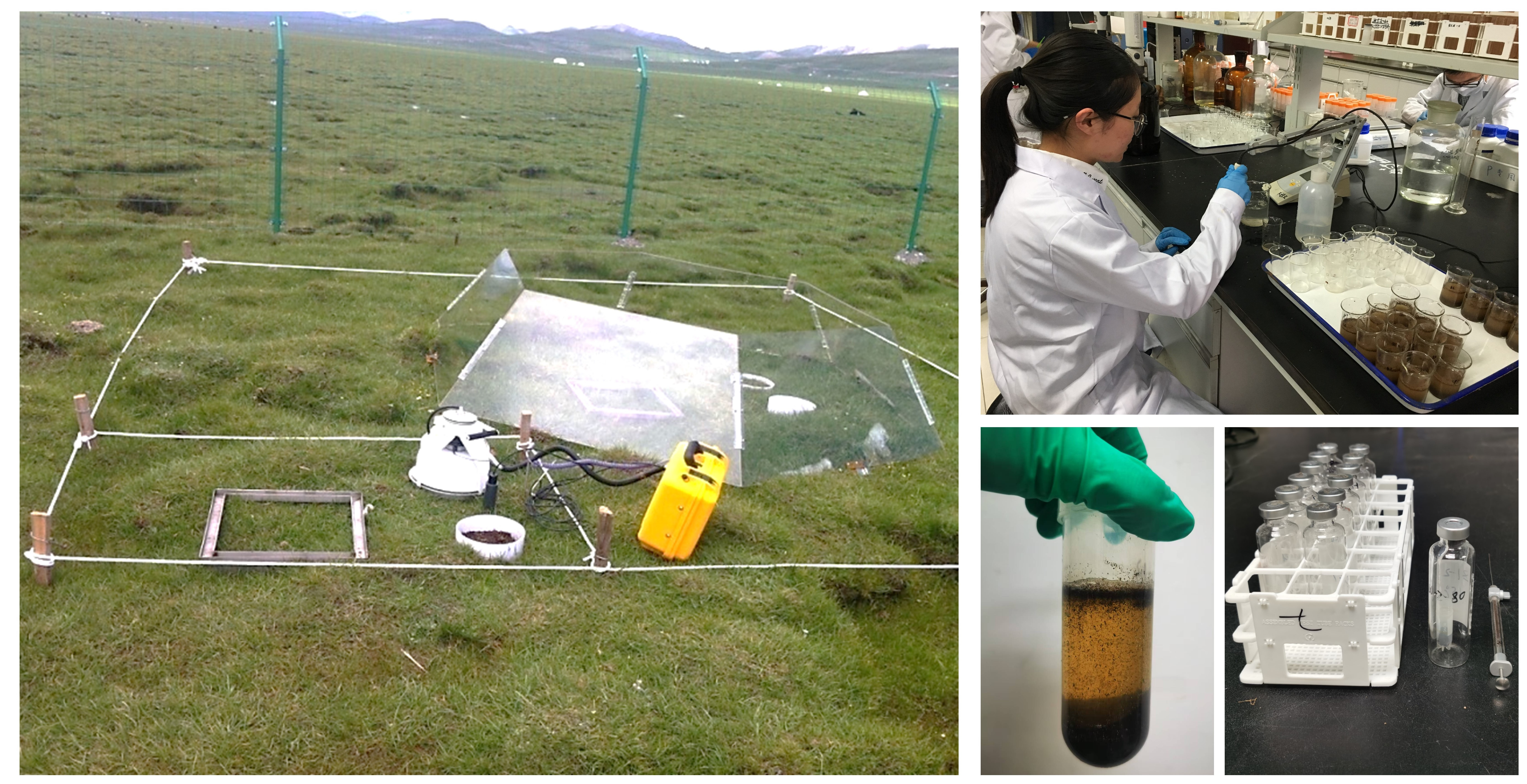
In situ measurement and laboratory experiments (credit: Fei Li and Shuqi Qin)
Dual roles of microorganisms in mediating soil carbon emission and stabilization
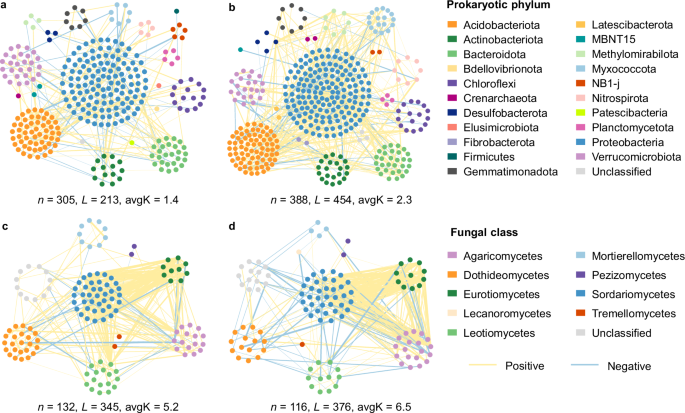
Our research comprehensively evaluated responses of microbial attributes to experimental warming and their mediations over soil carbon dynamics. Consistent with our expectation, we found that soil carbon emission caused by microbial respiration increased under warming, which was primarily ascribed to the fact that microbial taxa formed more complex co-occurrence patterns and invested less carbon to growth (i.e., lower carbon use efficiency) under the warming treatment. Surprisingly, we also found that microorganisms increased soil carbon stabilization due to preferential utilization of plant-derived compounds and thus more deposition of microbial necromass into soils under warming. That is to say, we detected dual roles of soil microorganisms in promoting both soil carbon loss and stabilization. We are really excited to see the results as it means that permafrost carbon-climate would weaken over time with higher proportion of stable soil carbon pool. These findings could also help scientists to accurately project permafrost carbon fate and policymakers to make mitigation policies. More details can be found in our paper ‘Dual roles of microbes in mediating soil carbon dynamics in response to warming’ published in Nature Communications.
Outlook
While I have detected the vital roles of soil microorganisms in mediating topsoil carbon dynamics under warmer environment, I wonder whether these findings apply for subsoils which will warm at nearly the same rate as surface soils in the future. However, open top chamber used in this study site could only warm the surface soil, and experimental evidence about deep soils is still limited. It is inspiring that our research team established a whole-ecosystem warming experiment so called “the Simulate Warming at Mountain Permafrost (SWAMP)” in 2021, the first platform to warm both air and deep soils to simulate permafrost thaw. This platform makes it possible to further explore responses of deep soil microorganisms to warming and their mediations over permafrost carbon fate. In the future, we aim to advance our knowledge about mechanisms underlying soil carbon dynamics based on the SWAMP to enable more accurate projection of permafrost soil carbon-climate feedback.
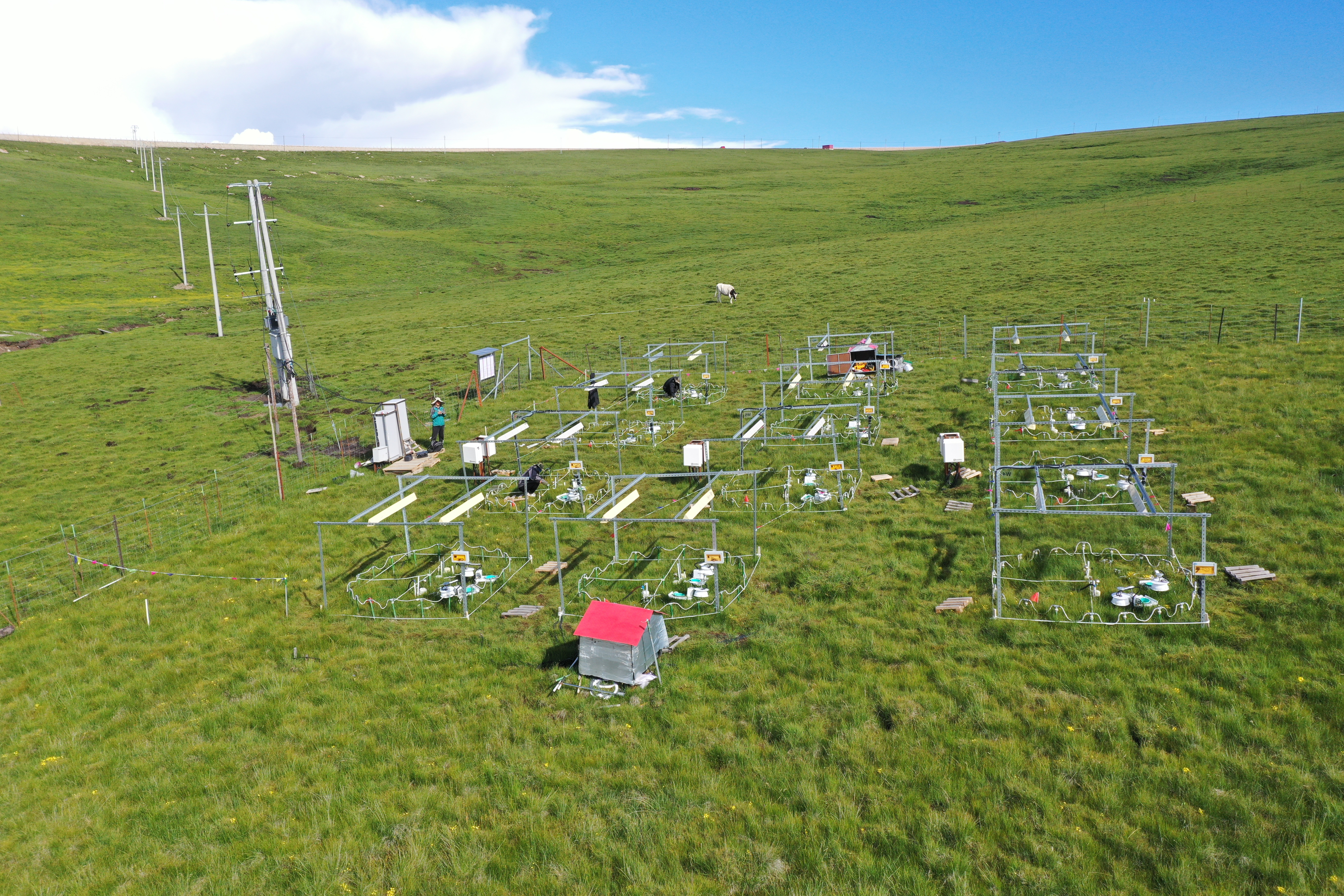
Overview of SWAMP experiment (credit: Bin Wei)
Follow the Topic
-
Nature Communications
An open access, multidisciplinary journal dedicated to publishing high-quality research in all areas of the biological, health, physical, chemical and Earth sciences.

Related Collections
With Collections, you can get published faster and increase your visibility.
Women's Health
Publishing Model: Hybrid
Deadline: Ongoing
Tumor Microenvironment Crosstalk and Therapeutic Implications
Publishing Model: Hybrid
Deadline: Nov 02, 2026