When Less is More (Dangerous): How Centrosome Loss Drives Chromosomal Instability?
Published in Cancer, Cell & Molecular Biology, and Genetics & Genomics

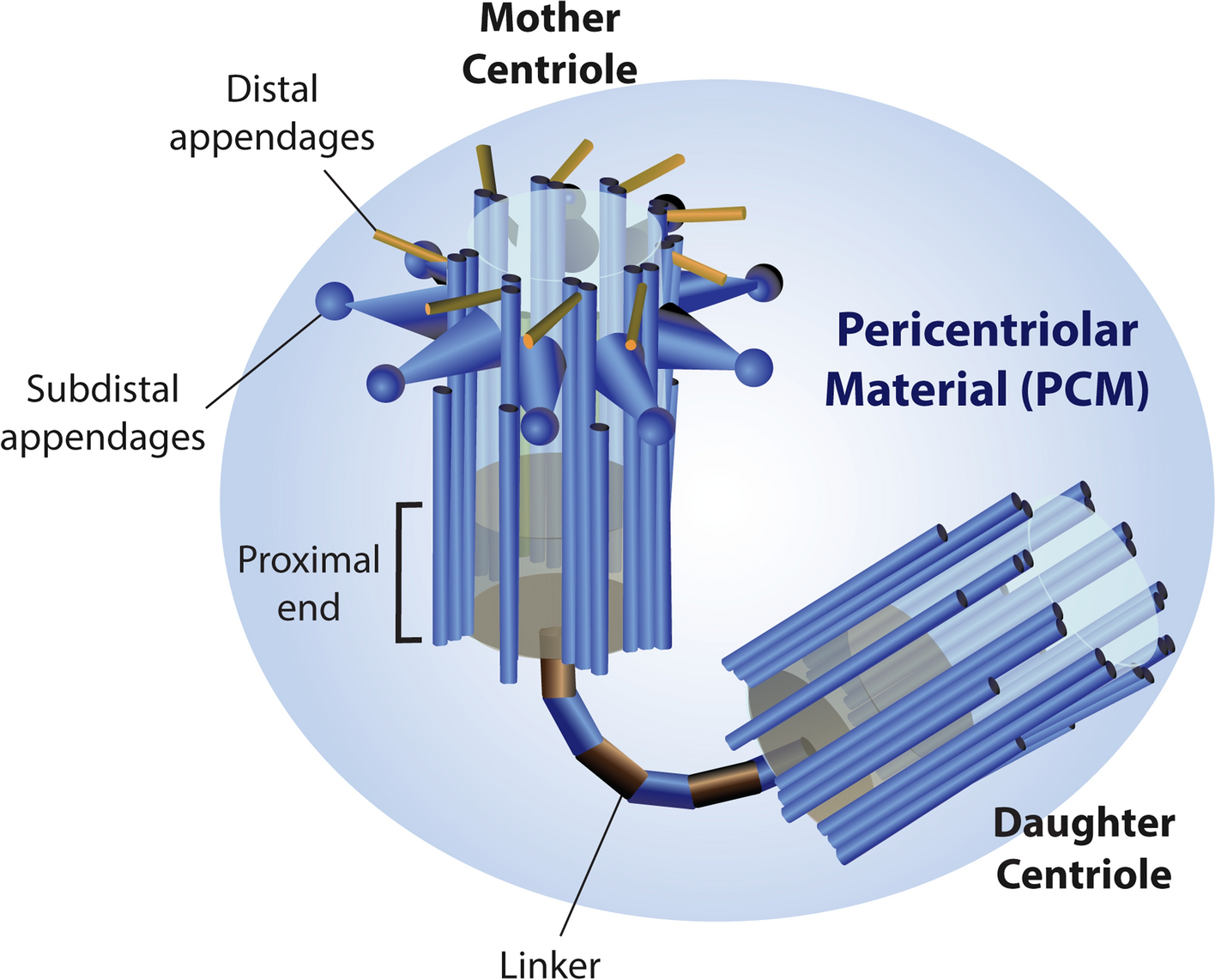

For decades, cancer researchers have looked at tumor cells and observed too many centrosomes.
In 1914, the German cytologist Theodor Boveri hypothesized that centrosome aberrations could contribute to human cancer. Indeed, centrosome defects, especially amplification (the production of supernumerary centrosomes) are present in a broad array of solid and hematopoietic human cancers. They correlate with advanced tumor grade and poor clinical outcomes. At present, centrosome amplification is recognized as an emerging hallmark of cancer cells, known to drive multipolar spindle formation and tumor aggression.
But is the opposite scenario - having fewer or no centrosomes - equally dangerous?
One of the most frequent questions we were asked when presenting our study that explores the impact of centrosome loss is: If a cell is missing this critical organelle, can it still divide? The answer is yes. Cells do not simply stop dividing; instead, they divide and make mistakes when doing so. Loss of the centrosomes forces a cell to rely on “Plan B”, an acentrosomal spindle assembly pathway prone to errors, leading to chromosome segregation defects that cause a massive chaos to the cell's genome. In most healthy cells, centrosome loss results in robust cell cycle arrest within a few divisions via a pathway that requires p53 – the famous guardian of the genome. However, there are "evaders". These rare cells escape cell cycle arrest and, instead, potentially evolve into aggressive malignancies.
Connecting the Organelle to the Disease
Prostate cancer differs from many other malignancies. It harbors few point mutations in oncogenic driver genes and instead shows extensive structural variations and gene fusions induced by rearrangements – a cancer hallmark known as chromosomal instability (CIN). The consequences of centrosome loss have long piqued our lab's interest. In a previous study published in Oncogene (2019), our colleague Dr. Mengdie Wang first discovered centrosome loss in human primary prostate cancer tissue. This phenomenon was more prevalent than expected and correlated with tumor grade. In subsequent in vitro and in vivo models, we isolated clones that had experienced transient centrosome loss. These cells not only survived the process but, as a result, some were also transformed. This led us to ask - what are the genomic alterations that transformed these cells?
From Chaos to Signatures
To understand the molecular alterations underlying centrosome loss-induced tumorigenicity, we initiated our current study. We performed whole-genome sequencing on our cell and tumor models. The data confirmed that cells resulting from transient centrosome loss displayed extensive CIN. Using the CIN genome generated from our experimental model, we analyzed large cohorts of prostate cancer patient samples. We identified recurrent genomic alterations in patient samples that clustered closely with our transient centrosome loss models. Furthermore, by integrating genomic classification with transcriptomic data, we identified a signature of 9 CIN-associated genes, which we termed CIN9. This transcriptomic signature represents either a cause or a consequence of cells evading from checkpoints and surviving the resulting genomic chaos from centrosome loss.
The "Hopeful Monster"
Our experimental model was designed to cause a burst of genomic crises by transiently removing centrosomes in cultured cells, similar to that observed in prostate cancer. Interestingly, our model produced a clone that continued to display CIN, eventually giving rise to a tumorigenic subclone that aggressively formed xenograft tumors in mice within just three weeks. Our findings suggest that a cell with CIN acts like the evolutionary "hopeful monster", an organism with profound ability to fit an environment perfectly and sweep the population. Understanding these CIN-associated features may help us differentiate between benign and aggressive tumors and eventually lead to precision treatment strategies.
Continuous questions about centrosome loss in cancer
Centrosome loss appears to be a primary cause of CIN in prostate cancer. But what leads to the loss of centrosomes in the epithelial cells of prostate glands in the first place? That is the next question we intend to answer.

Follow the Topic
-
Cellular and Molecular Life Sciences
Cellular and Molecular Life Sciences (CMLS) is a multidisciplinary Open Access journal covering the latest aspects of biological and biomedical research.

Related Collections
With Collections, you can get published faster and increase your visibility.
Tumor Microenvironment-Driven Cancer Plasticity, Metastasis, and Therapeutic Adaptation
The tumor microenvironment (TME) is a dynamic and multifaceted ecosystem that shapes nearly every aspect of cancer progression, from early tumor evolution to metastatic spread and therapeutic response. Dynamic interactions between tumor cells, stromal components, immune infiltrates, and extracellular matrix structures not only regulate cell migration and invasion but also broader adaptive phenotypes such as metabolic rewiring, immune escape, therapy resistance, and phenotypic plasticity. Recent advances in single-cell omics, live-cell imaging, spatial transcriptomics, and functional modeling systems (e.g. organoids, organ-on-chip) have illuminated how bidirectional communication within the TME governs these behaviors.
This collection invites cutting-edge research and comprehensive reviews that dissect the cellular and molecular mechanisms by which the TME drives tumor dissemination and adaptive cancer cell states. We welcome interdisciplinary contributions spanning molecular oncology, immunology, systems biology, and bioengineering, with an emphasis on translational insights that inform therapeutic targeting of TME-driven and immune-regulatory pathways in cancer.
Topics of Interest
- Cellular and molecular mechanisms of tumor microenvironment–driven cancer plasticity
- Tumor cell dissemination, invasion, and metastatic niche formation
- Stromal-tumor-immune cell crosstalk in cancer progression
- Metabolic reprogramming and nutrient competition within the TME
- Immune evasion, immunosuppression, and checkpoint regulation
- Extracellular matrix remodeling, mechanotransduction, and tissue stiffness
- Epithelial-mesenchymal transition (EMT), hybrid states, and phenotypic switching
- Therapy-induced adaptive phenotypes and drug resistance mechanisms
- Tumor dormancy, persistence, and metastatic reactivation
- Spatial transcriptomics, single-cell multi-omics, and in vivo imaging approaches
- Organoid, organ-on-chip, and computational models of TME dynamics
- Systems biology and AI-driven modeling of tumor ecosystem evolution
- Therapeutic targeting of TME-mediated signaling and adaptive pathways
- Translational strategies to overcome metastasis and therapy resistance
This Collection focuses on how tumor microenvironmental signals shape metastatic competence, adaptive cancer cell states, and resistance-associated phenotypes across molecular, cellular, and systems scales.
Publishing Model: Open Access
Deadline: Dec 27, 2026