World Cancer Day 2026: United by Unique
Published in Cancer and General & Internal Medicine





World Cancer Day is observed on the 4th of February of each year, and it serves as a global initiative to improve education, drive action, and raise awareness about cancer. On this day, communities and organisations come together to reflect on the progress achieved so far and to discuss key areas where continued attention and improvement are needed.
Cancer affects millions of people every year, touching not only those who receive a diagnosis but also their families, friends, and communities. Every experience is unique, but this long-term condition carries a vast emotional and mental impact, not just a physical one.
This is why the theme for World Cancer Day 2026, “United by Unique”, aims to place people at the centre of care, calling for a shift away from viewing cancer care solely through the traditional lens of biology and symptoms, and towards approaches that recognise each person's lived experience. People-centred care means implementing more compassion and support for the patient and their loved ones. The World Cancer Day website has more resources to explain the theme at the centre of their 2025-2027 campaign by breaking it down into actionable principles.
By encouraging cancer prevention, detection, and improving treatment strategies, we work towards realising Sustainable Development Goal 3 of ensuring healthy lives for all, with 3.4 in particular: “By 2030, reduce by one third premature mortality from non-communicable diseases through prevention and treatment [...]”. In fact, more than a third of cancer cases can be prevented, and thus can be effectively treated through early detection and adequate care. Over 40% of cancer-related deaths are linked to modifiable risk factors, including tobacco use, alcohol consumption, ultraviolet radiation exposure, poor diet and physical inactivity, and many more. Understanding these risks and increasing people’s awareness can help us decrease the incidence of cancer and improve cancer treatment outcomes.
 Furthermore, on a public health level, cancer remains one of the leading causes of death worldwide and places significant pressure on healthcare systems, resulting in persistent inequalities in access to screening, treatment, and support, all of which goes against the achievement of universal health coverage mandated by SDG3. Cancer creates challenges that extend far beyond the individual, and World Cancer Day serves as a reminder to bring these realities into focus and to act together.
Education and awareness empower people to seek help earlier and make informed, preventative choices; this blog highlights a curated selection of Springer Nature content that contributes to advancing and raising awareness surrounding cancer research and initiatives.
Highlights from Springer Nature Journals
Here is a selection of recent papers published by Springer Nature journals that highlight innovative and proactive approaches to advancing cancer research and improving patient outcomes:
A review article in Biology of Sex Differences examines the impact of sex-based biological factors on bladder cancer, emphasizing the importance of further research into sex-specific biology in improving cancer prevention and care.
BMC Infectious Diseases published a systematic review presenting the first comprehensive data on the prevalence of antimicrobial resistance (AMR) in major bacterial pathogens isolated from cancer patients.
A research article published in Thyroid Research, assessing the association between coffee intake and the risk of thyroid cancer, reported no evidence of increased risk and highlighted the need for future-large scale prospective research to clarify underlying biological pathways.
A scoping review protocol published in Systematic Reviews aims to map the evidence on factors influencing early identification of lung cancer in patients in low- and middle-income countries, supporting early screenings and timely diagnosis of suspected lung cancer.
Below are a few more articles published in Springer Nature journals:
- Measuring ethnic disparities in lung cancer: the role of population and data resources | International Journal for Equity in Health
- Establishing cancer registries in Africa – focus on hepatopancreatobiliary cancers | Nature Reviews Gastroenterology & Hepatology
- Cancer-associated fibroblasts in cancer drug resistance and cancer progression: a review | Cell Death Discovery
- Natural anti-cancer products: insights from herbal medicine | Chinese Medicine
- Experience with the mobile health application ‘mSaada’ to facilitate home-based human papillomavirus testing in Western Kenya | BMC Global and Public Health
Several blogs have recently been published on the Springer Nature Research Communities, offering broader perspectives on cancer research and equity:
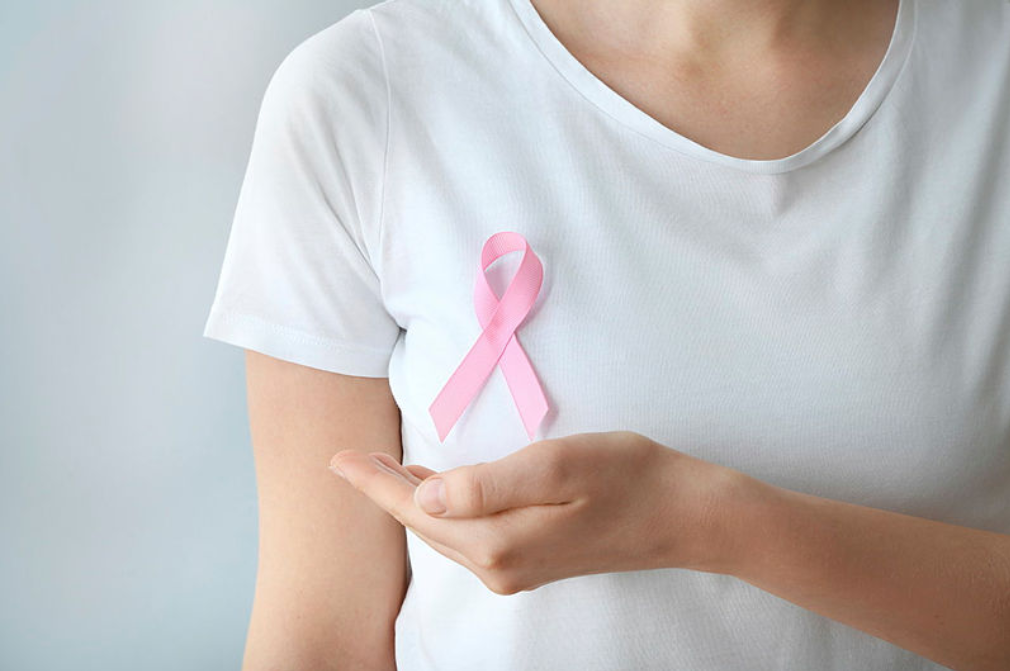 Featured in the SDG3 Newsletter on Women’s Health, Mariangela Aloj explores how gender disparities and bias continue to shape cancer treatment, management and diagnosis. Her blog highlights the specific challenges faced by women and reflects on what equitable, universal health coverage should look like in the context of cancer care and research.
From that same SDG3 Newsletter, a blog was written on the gender-specific differences in radiation oncology treatments and patient outcomes. The blog was written to highlight the collection "Special Issue: Gender-specific differences in radiation oncology treatment", addressing an under-researched issue within oncology.
Springer Nature also marked World Ovarian Cancer Day 2025 with a dedicated blog showcasing key articles and collections from the Journal of Ovarian Research.
Collections calling for submissions
Here are a few Journal Collections that are calling for submissions
on cancer research:
- “Cancer Immunotherapy: Immune checkpoint inhibitors”, “Cancer genomics: Mutational landscape”, “Hot topics in oncology”, and “Sustainability in Oncology” for BJC Reports, a partner journal to the British Journal of Cancer;
- “Women’s Health and Cancer” for Cancer Causes & Control;
- “Oncobiome” for which multiple BMC journals are participating;
- “Long-term Impact of COVID in Cancer Patients” and “Cancer Disparities” for which multiple journals across Springer Nature are participating.
There are more open collections which have submission deadlines:
- “Axillary staging and treatment in breast cancer” for World Journal of Surgical Oncology is accepting submissions until the 29th of January 2026;
- “Epigenetics and Cancer Immunotherapy” for Clinical Epigenetics is accepting submissions until the 17th of February 2026;
- “Cell Death Mechanisms in Cancer” for Molecular Cancer is accepting submissions until the 27th of February 2026;
- “Tumor Microenvironment, Metabolism and Immune Response” for Experimental Hematology & Oncology is accepting submissions until the 28th of February 2026;
- “Tackling Drug Resistance in Ovarian Cancer: Mechanisms, Biomarkers, and Emerging Therapeutics” for Journal of Ovarian Research is accepting submissions until the 4th of March 2026;
- “Current and novel therapeutic approaches to gastrointestinal cancers” for Biological Procedures Online is accepting submissions until the 7th of March 2026;
-
 “AIDS and Cancer from an African perspective” for AIDS Research and Therapy and Infectious Agents and Cancer is accepting submissions until the 7th of April 2026;
- “Pathogens and Cancer” for Cell Communication and Signaling is accepting submissions until the 15th of April 2026;
- “Breaking cancer DRUG RESISTANCE: Looking for an interdisciplinary effort solving an unmet clinical need in oncology” for Journal of Experimental & Clinical Cancer Research is accepting submissions until the 30th of April 2026;
-
 “Integration of Genetics into Oncology Practice” for Hereditary Cancer in Clinical Practice is accepting submissions until the 8th of May 2026;
-
“3D Cancer Models: Organoids and Advanced Culture Systems in Therapy and Drug Resistance” for Molecular Cancer is accepting
submissions until the 1st of June 2026;
- “HPV-related Head and Neck Cancers” for Infectious Agents and Cancer is accepting submissions until the 3rd of August 2026;
- “Universal health coverage for supporting cancer prevention strategies in LMICs” for BMC Global and Public Health is accepting submissions until the 3rd of September.
Highlights from the ISCRCTN Clinical Study Registry
A recent study is investigating the practicality of online reading groups for people affected by gynaecological cancers, and how participation may influence their mental health, wellbeing and overall life quality. Principal Investigator, Dr. Sonia Tomescu-Stachie, and the research team have written a behind the paper blog sharing the story behind the planned study.
A recent clinical feasibility and performance study is investigating the potential of AI to support the diagnosis of ovarian tumors through ultrasound, with the aim to improve diagnostic accuracy and reduce unnecessary interventions for better patient outcomes. Prof. Elisabeth Epstein and Filip Christiansen have written a blog behind this research and its impact.
Prof. Elisabeth Epstein and Filip Christiansen have also written a behind the paper blog about their prospective multicenter study comparing AI predictions with traditional diagnostic methods for ovarian tumors, working to build evidence to support the integration of AI tools into clinical practice.
Among the many cancer clinical trials registered at the ISRCTN registry in 2025, other highlights include:
Book Chapters
Explore the Springer Nature website to read Open Access chapters regarding cancer.
Springer Nature Research Communities
Discover more insightful blogs related to cancer research by exploring our Springer Nature Research Communities website. This platform hosts a variety of articles and discussions from experts in the field; use the search function on the website to discover relevant content and stay informed about the latest developments and initiatives.
Conclusion
As we mark World Cancer Day, we are reminded that by implementing strategies that focus on prevention and early detection, we can prevent cancer cases and cancer deaths. Share the contents in this blog and support initiatives like United By Unique to keep acting together and move forward one conversation at a time.