Mapping South Asia's Wind Energy Future: A Multi-Dataset Assessment of Power Generation Potential
Published in Earth & Environment, Research Data, and Sustainability



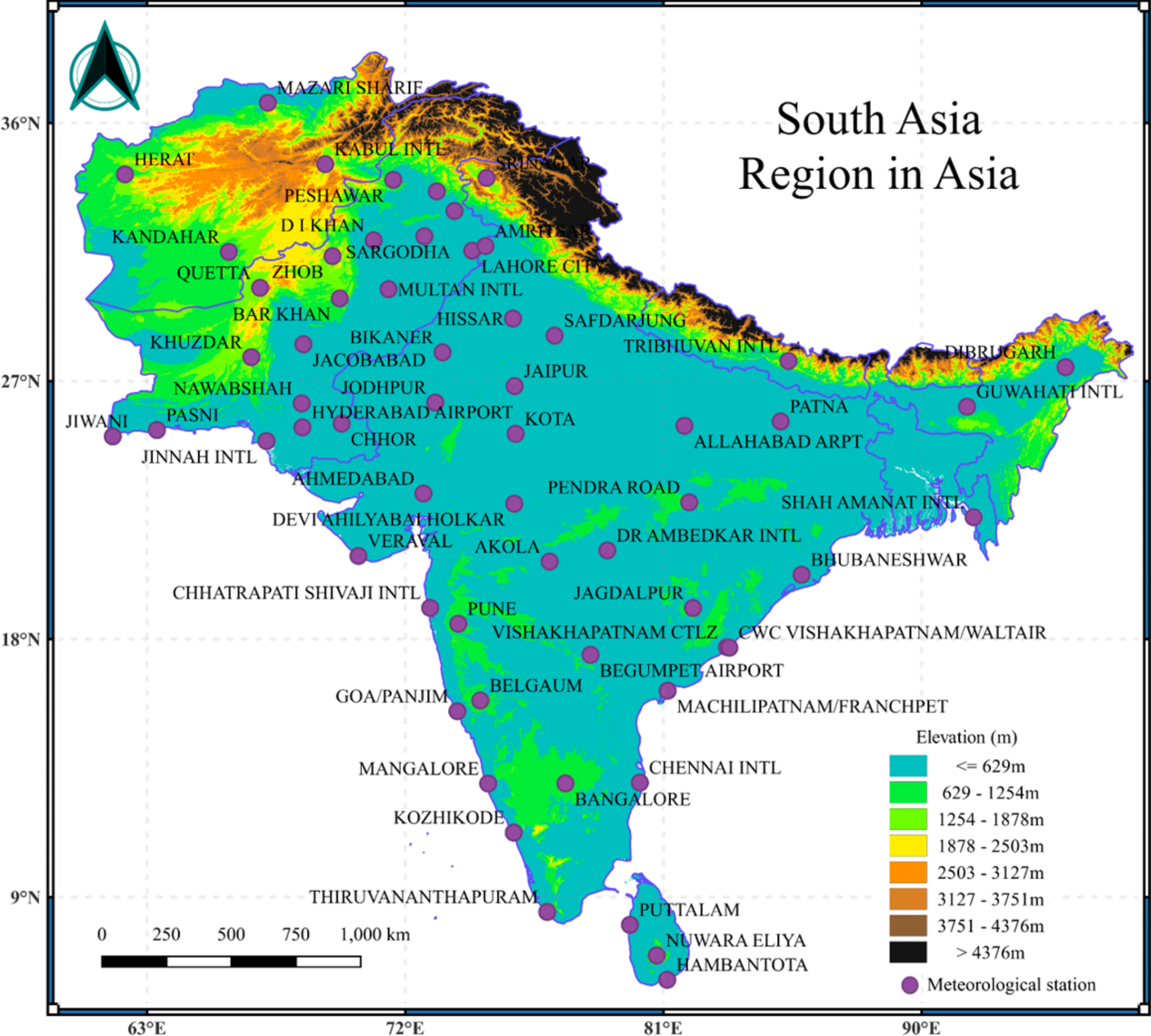

Assessing wind power generation potential over South Asia using wind speed observation and reanalysis datasets
This video provides a visual walkthrough of our key findings on wind power density and generation potential across South Asia. We illustrate the spatial patterns revealed by our integrated analysis of observation and reanalysis data, highlighting prime regions for wind energy development and discussing the implications for the region's clean energy transition.
Key Points from the Research:
-
Objective: To create a reliable, high-resolution assessment of wind power generation potential across South Asia by synthesizing multiple data sources.
-
Methodology: We employed a comparative analysis using long-term ground station observation data and modern global atmospheric reanalysis datasets (like ERA5). This approach validates model outputs and reduces uncertainty.
-
Core Findings: The study identifies specific regions with consistently high wind power density, suitable for utility-scale development. It also reveals seasonal variability patterns critical for integrating wind power into the energy grid and discusses areas where different datasets converge or diverge.
-
Significance: This work provides a foundational geospatial analysis to inform strategic energy planning. By mapping the tangible potential, we aim to support data-driven decisions in policy, infrastructure investment, and the pursuit of renewable energy targets in South Asian nations.
Access the Full Study:
For the complete methodological details, data analysis, and in-depth discussion, you can read the open-access paper here: Assessing wind power generation potential over South Asia.
journal link: https://link.springer.com/article/10.1007/s00477-025-02918-0
We welcome questions and discussion on the methodology, findings, or their application in the comments below.

Follow the Topic
-
Stochastic Environmental Research and Risk Assessment
This journal publishes research papers, reviews and technical notes on stochastic (i.e., probabilistic and statistical) approaches to environmental sciences and engineering

What are SDG Topics?
An introduction to Sustainable Development Goals (SDGs) Topics and their role in highlighting sustainable development research.
Continue reading announcement