Teaching AI to Spot Brain Damage in Real-World MRI Scans
Published in Bioengineering & Biotechnology and General & Internal Medicine

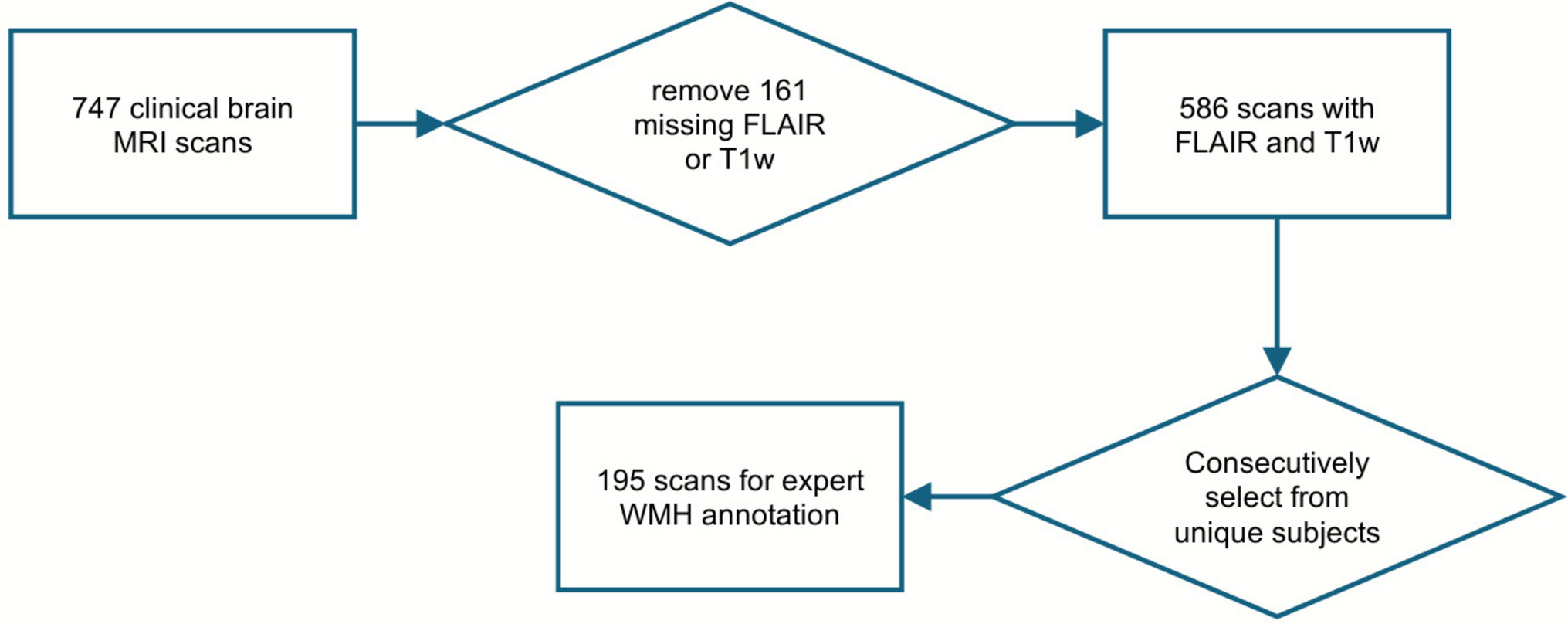

Brain scans from hospitals don’t all look the same—they come from different machines, settings, and years. This makes it hard for AI tools to reliably detect small areas of brain damage linked to aging and disease. In this work, we used real clinical MRI scans to train smarter AI models that can adapt to this variability, bringing automated brain analysis closer to everyday medical use.
Follow the Topic
-
Journal of Imaging Informatics in Medicine

This journal enhances the exchange of knowledge encompassed by the general topic of Imaging Informatics in Medicine including, but not limited to, research and practice in clinical, engineering, information technologies and techniques in all medical imaging environments.
Please sign in or register for FREE
If you are a registered user on Research Communities by Springer Nature, please sign in