Ancient DNA Reveals Carbon Drawdown by Algal Blooms During the Antarctic Cold Reversal
Published in Earth & Environment
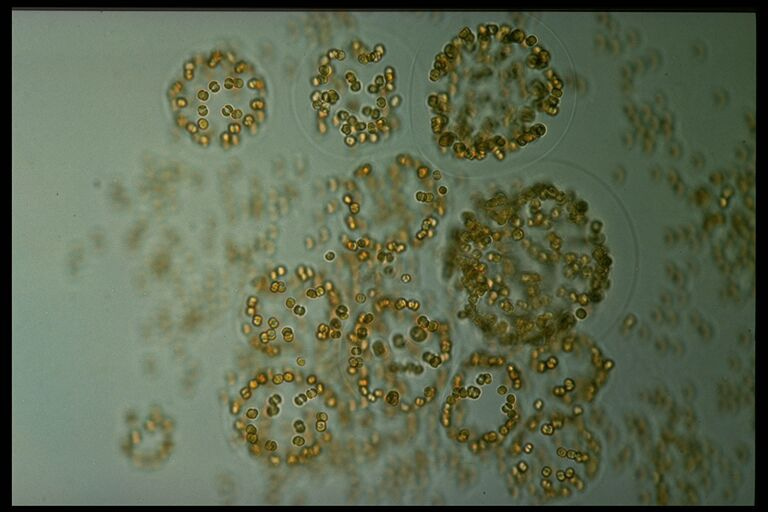
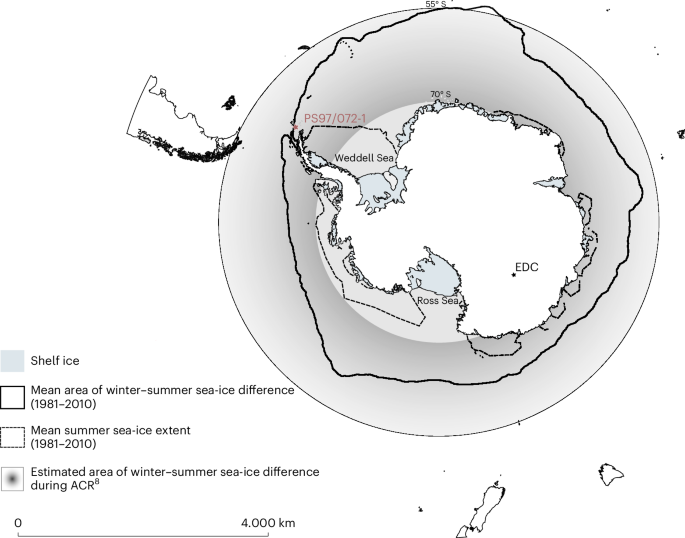

The Southern Ocean takes up vast amounts of carbon dioxide (CO₂) from the atmosphere and transports it into the deep ocean. But how stable is this process, and how does it respond to climate change? To answer these questions, we need to look into Earth’s past.
In our new study, published in Nature Geoscience (25 August 2025), we used sedimentary ancient DNA (sedaDNA) to reconstruct marine ecosystems during a critical time in Earth’s climate history: the Antarctic Cold Reversal (ACR), about 14,700–12,700 years ago.
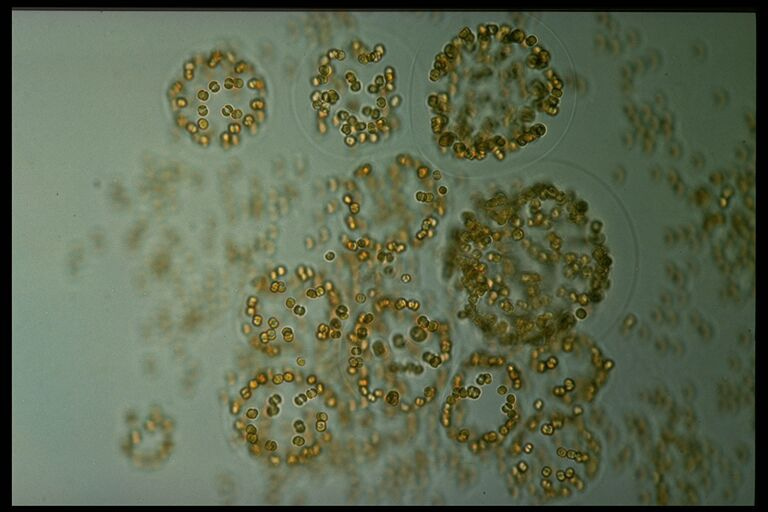
We found that the haptophyte alga Phaeocystis antarctica formed massive blooms during this cooling period, acting as a powerful carbon sink. These blooms likely contributed to the stabilization of atmospheric CO₂, creating the plateau seen in ice-core records. But once the cold event ended, Phaeocystis abruptly disappeared—revealing how sensitive this ecosystem is to warming.
The ACR is a Southern Hemisphere-specific cooling event that interrupted the general trend of deglacial warming. While the Northern Hemisphere warmed rapidly, Antarctica briefly cooled, and atmospheric CO₂ stopped rising for about 2,000 years.
Why? Climate models had long suggested that enhanced marine productivity might explain this CO₂ plateau. But proxies such as microfossils or pigments only capture a limited subset of producers. Many key species—including Phaeocystis—leave little to no fossil record.
This meant we lacked direct evidence of which organisms were driving carbon drawdown during the ACR.
To overcome this gap, we turned to sedaDNA. Over time, DNA fragments from organisms settle to the seafloor and become preserved in sediments. By sequencing this DNA with shotgun metagenomics, we can reconstruct entire ecosystems across all trophic levels—not just those that fossilize.
From marine sediment cores in the Southern Ocean, we recovered DNA spanning the Antarctic Cold Reversal. What emerged was clear: Phaeocystis antarctica dominated the ecosystem during this period.
Why is Phaeocystis so important? Today, this alga is known for forming large seasonal blooms in regions like the Ross Sea. These blooms:
-
Fix large amounts of CO₂ through photosynthesis.
-
Export organic carbon efficiently to the deep ocean when cells sink.
-
Influence biogeochemical cycles by producing compounds such as dimethylsulfoniopropionate (DMSP).
During the ACR, enhanced seasonality of sea ice likely created favorable conditions for blooms: nutrients released during spring melt fueled intense growth, while cold conditions prolonged bloom dynamics.
The sedaDNA evidence, combined with independent geochemical proxies, supports the idea that increased primary productivity by Phaeocystis helped stabilize atmospheric CO₂.
The end of the ACR brought rapid warming. Our record shows that Phaeocystis abruptly disappeared from the sedimentary DNA signal. This sudden community collapse demonstrates the high sensitivity of this ecosystem to climate change.
Such thresholds—where ecosystems shift quickly from one state to another—are known as tipping elements. The fate of Phaeocystis during the ACR may represent an early example of such tipping behavior.
Although the ACR happened more than 12,000 years ago, its lessons are highly relevant. Today, the Southern Ocean continues to absorb about 40% of anthropogenic CO₂. Regions with strong seasonal sea ice variability and Phaeocystis blooms, such as the Ross Sea, remain particularly important for stabilizing atmospheric CO₂.
But these ecosystems are fragile. If warming reduces sea ice cover and destabilizes bloom dynamics, the carbon sink function of the Southern Ocean could weaken—accelerating the rise of CO₂ in the atmosphere.
By looking to the past, we gain a preview of possible futures. SedaDNA allows us to identify not only that marine productivity increased, but also who the key players were. This helps refine our understanding of how ocean ecosystems influence the carbon cycle.
Our study demonstrates the power of sedaDNA for identifying ecosystem-level responses to climate events. Future research can expand this approach to:
-
Compare different regions of the Southern Ocean.
-
Integrate sedaDNA with climate models to better quantify past carbon fluxes.
-
Explore interactions between microbial communities and larger phytoplankton.
By combining ancient and modern observations, we can better predict how current and future climate change will impact the ocean’s role in the carbon cycle.
Weiß, J.F., Herzschuh, U., Müller, J. et al. Carbon drawdown by algal blooms during Antarctic Cold Reversal from sedimentary ancient DNA. Nat. Geosci.(2025). https://doi.org/10.1038/s41561-025-01761-w

Follow the Topic
-
Nature Geoscience
A monthly multi-disciplinary journal aimed at bringing together top-quality research across the entire spectrum of the Earth Sciences along with relevant work in related areas.

Related Collections
With Collections, you can get published faster and increase your visibility.
Soil microbiomes and carbon sequestration under global change
Publishing Model: Hybrid
Deadline: Mar 18, 2027


