C1q-BAI1 signaling — a neural stem cell traffic light
Published in Neuroscience, Cell & Molecular Biology, and Immunology



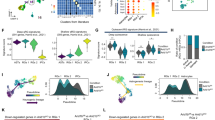

Our interest in neuro-immune interface stems from our broader work on human NSC and their therapeutic potential for central nervous system (CNS) trauma and disease. Complement proteins such as C1q increase dramatically during inflammation and neurovascular injury, but the consequences of this increase for NSC - transplanted or endogenous - has remained largely unknown. In the phylogenetic scale, C1q first appeared roughly 450 million years ago, and multiple studies suggest that this protein has evolved roles that are not restricted its functions in the immune response, particularly in the CNS. Our previous work studying leukocyte paracrine-mediated effects on NSC led us to hypothesize that C1q plays a direct role in regulating stem cell differentiation and migration. Based on that hypothesis, and using a forward screening approach, our group identified five candidate C1q receptors on NSC cell surface, and demonstrated that C1q directly triggers receptor-mediated signaling that regulates NSC behavior. One of the identified receptors is BAI1, which we investigated in our current work.
Adult tissue-specific stem cells preserve tissue homeostasis by switching between quiescence (dormancy) and activation. Tight control over this balance through modulation of cell-cycle progression is crucial to prevent stem-cell pool exhaustion and loss of regenerative capacity, accordingly, this homeostatic balance is critically important during tissue development and repair. In this study, we demonstrate that blood plasma C1q concentrations associated with aging and blood–brain or blood–spinal-cord barrier (BBB/BSB) breakdown drive declines in NSC proliferation in vitro and in vivo in a CNS trauma model, revealing a direct role for C1q in promoting NSC quiescence. We show that C1q binds cell surface BAI1, and that the C1q-BAI1 complex is internalized and trafficked along the endocytic pathway, shifting NSC transcriptional state towards quiescence, and controlling two parallel downstream regulators of cell cycle, p53 and p32. This mechanism is C1, C1s, and complement cascade-independent.
These data establish direct mechanistic links between C1q and p53 regulation of proliferation, as well as between C1q and p32 regulation of mitochondrial function and aerobic glycolysis, consistent with NSC quiescence. These findings are relevant for a multiplicity of CNS conditions involving BBB/BSB dysfunction or local accumulation of C1q, like injury and aging in the CNS. This work represents nearly two decades of work by our lab seeking to understand first whether transplanted NSC listen to cues in the donor microenvironment, and then with that understanding, identifying those cues. This investment has led to novel molecular targets that might be harnessed to enhance repair by transplanted or endogenous NSC in CNS trauma, disease, and aging. Moreover, it also opens new questions about whether these pathways intersect with similar mechanisms in other tissues throughout the body.
Follow the Topic
-
Nature Communications

An open access, multidisciplinary journal dedicated to publishing high-quality research in all areas of the biological, health, physical, chemical and Earth sciences.
Related Collections
With Collections, you can get published faster and increase your visibility.
Women's Health
Publishing Model: Hybrid
Deadline: Ongoing
Advances in neurodegenerative diseases
Publishing Model: Hybrid
Deadline: Mar 24, 2026
Please sign in or register for FREE
If you are a registered user on Research Communities by Springer Nature, please sign in