Differences that make science stronger
Published in Social Sciences, Earth & Environment, and Ecology & Evolution





Written by shared first author Barbara Rocha Venancio Meyer-Sand.
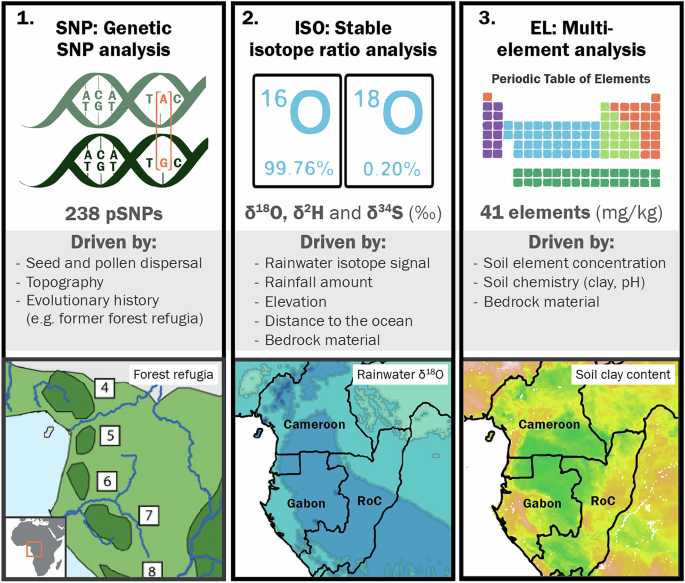
Illegal logging damages forest ecosystems, undermines sustainable forest management, reduces state revenues, and fuels global crime. Estimates suggest that between 8% and 29% of the timber traded worldwide is illegal, making it the third largest transnational crime. Tackling this challenge requires reliable tools to verify timber origins, and this is where our recent study comes in.
In 2019, I joined the TIMTRACE project as a PhD candidate, with the goal of developing forensic tracing techniques to determine the geographic origin of timber. We combined cutting-edge genetic and chemical methods to improve timber traceability, contributing to the fight against illegal logging and to more transparent global trade. What I didn’t expect was how much this journey would teach me about people, collaboration, and resilience.
When I started, I thought I knew what to expect: laboratory work, long hours of data analysis, and some adventurous fieldwork. And indeed, it started that way: together with three brilliant master’s students Herman, Steve, and Pascaline, and my “PhD sister” Laura, we set off across Cameroon to collect timber samples. From one forest concession to another, we worked side by side in conditions that were often physically demanding, but also exhilarating (Image 1).
Still, science in the field is never just about samples. Working in a multicultural team quickly revealed challenges: language barriers, different expectations, moments of misunderstanding. After one difficult mission, we sat down for an open conversation about frustrations and goals. That exchange transformed the team dynamic. We saw that our diversity was not a weakness but a strength. Just as combining genetics and chemistry improves timber tracing, combining our skills and experiences made the project stronger and more sustainable. Instead of reinforcing old patterns, our different perspectives opened the door to innovation and helped us overcome challenges.
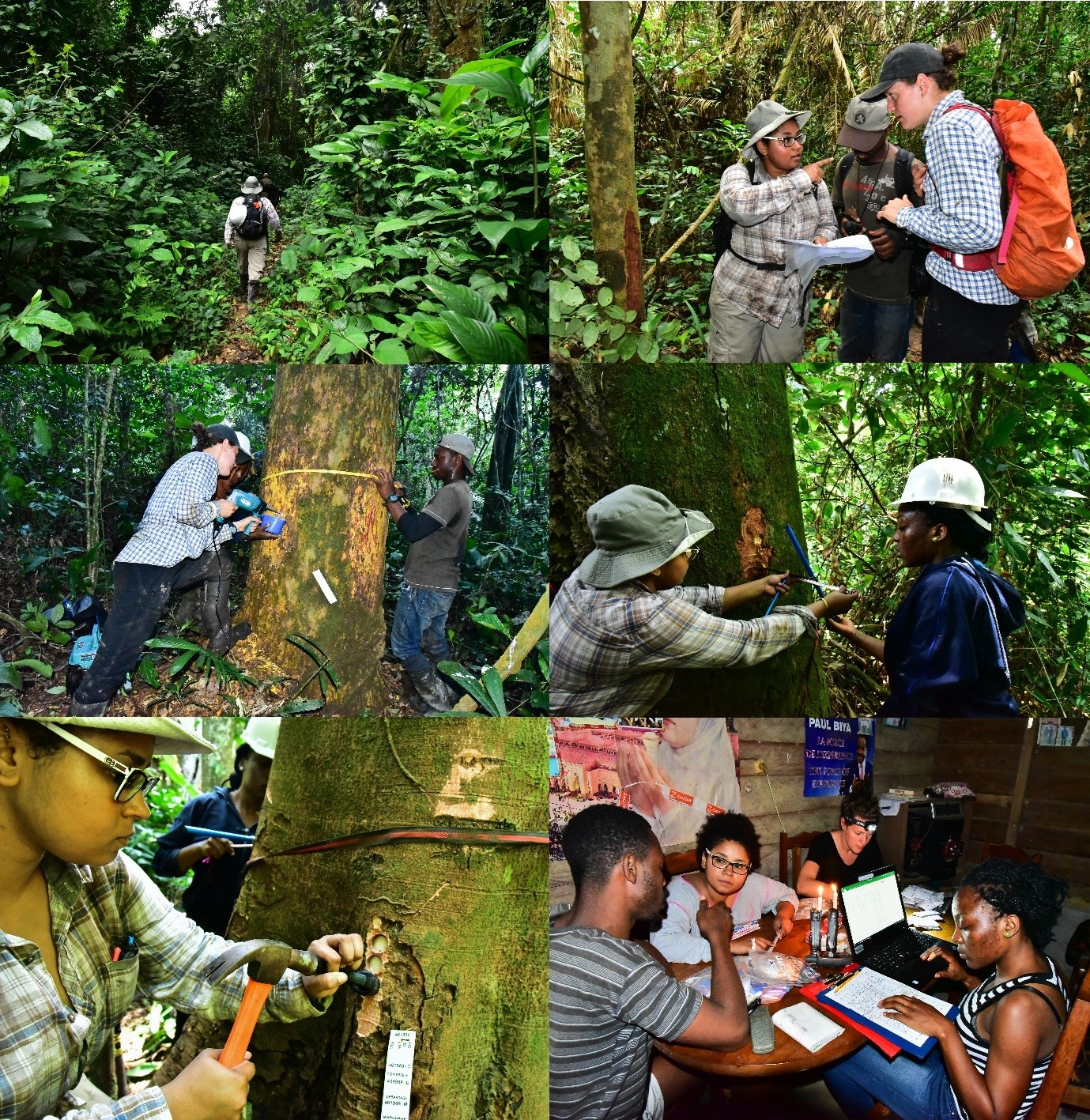
Image 1. First field campaigns in Cameroon in 2019. Bottom right photo, from the left: Steve Tassiamba, Barbara Rocha Venancio Meyer-Sand, Laura Emily Boeschoten, and Pascaline Temateu Zemtsa (photos by Pierre Kepseu).
Then came COVID-19
Six months into the project, COVID-19 struck. Borders closed, labs shut down, and fieldwork plans collapsed. For a project built around international sampling campaigns, it felt like a disaster.
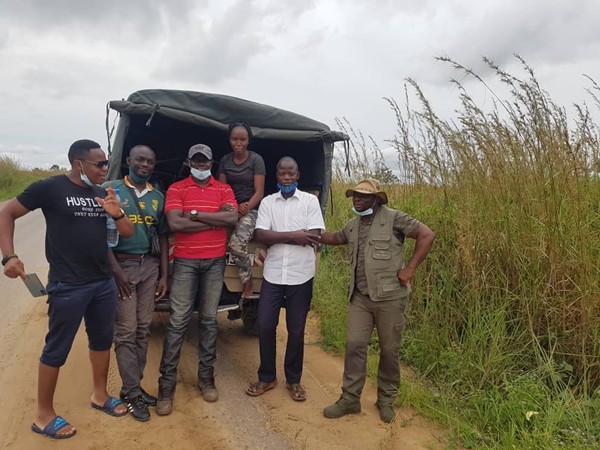
The crisis forced us to rethink. With travel impossible, the team we had trained in Cameroon stepped up to lead. They collected data, trained new teams, and supported the sampling in Gabon and the Republic of Congo (Image 2). What began as decentralization turned into empowerment: skills multiplied, ownership grew, and the project became more resilient. We also created online tutorials and training videos to support local teams. Against the odds, the Timtrace teams built genetic and chemical reference databases for two major timber species in three key timber-producing countries.
COVID-19 challenges showed us that collaboration across borders, when rooted in trust and co-creation, makes science efforts stronger.
Science as a human journey
PhD projects are often described as challenging, and they are. But what we talk about less is how much personal growth comes with them. For me, this project was not only about developing timber tracing tools, but also about building trust, navigating cultural differences, and create meaningful collaborations.
The experience in this project taught the true meaning of the South African philosophy of Ubuntu - “I am because we are.” Impactful research is not just the result of clever ideas or sophisticated methods. It is the outcome of many people listening, sharing, and valuing one another’s perspectives. Science is, because WE ARE!
Beyond genetics, I discovered how much I love bringing people together, fostering exchange, and building partnerships that last beyond single projects. I value every stage, from the excitement of developing ideas together, intense fieldwork, to the long hours in the lab. Each step is shaped by the people involved and the knowledge they bring. Together, these contributions make the research process more robust and fun!
Lessons Learned
Looking back, here are some of the key lessons I take from this journey:
- Differences are strengths. Just as our paper shows that combining genetic and chemical methods leads to more accurate timber tracing, combining different cultural, academic, and personal perspectives makes science stronger.
- Empowerment matters. Trusting and empowering local teams during COVID-19 not only saved our project but made it more resilient and inclusive.
- Science is human. Behind every dataset is a story of collaboration, misunderstanding, compromise, and growth. Acknowledging that makes science more honest and more impactful.
Looking Forward
The work we describe in our paper is just one piece of a larger puzzle. Illegal logging remains a global problem, and improving timber traceability is an essential part of addressing it. But if there’s one thing I’ve learned, it’s that science doesn’t move forward in isolation.
The future of this research lies in collaboration: across disciplines, across countries, and across perspectives (Images 3 and 4). We need robust scientific methods, but we also need local knowledge, international cooperation, and the willingness to listen to one another.
As I move forward in my career, I carry with me the conviction that science is strongest when it is inclusive, collaborative, and grounded in shared goals. Just like in our paper, it is the combination of different strengths that makes it more impactful.
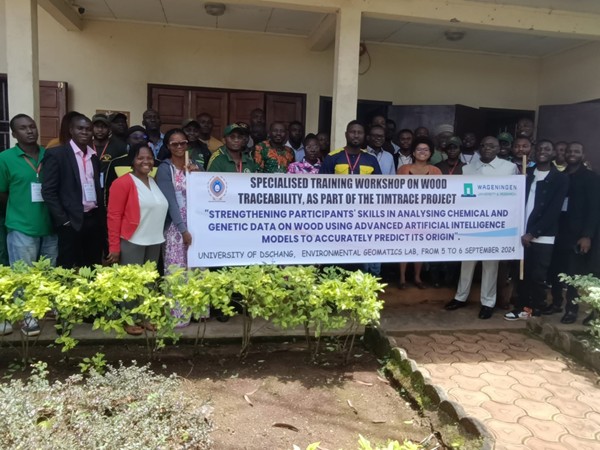
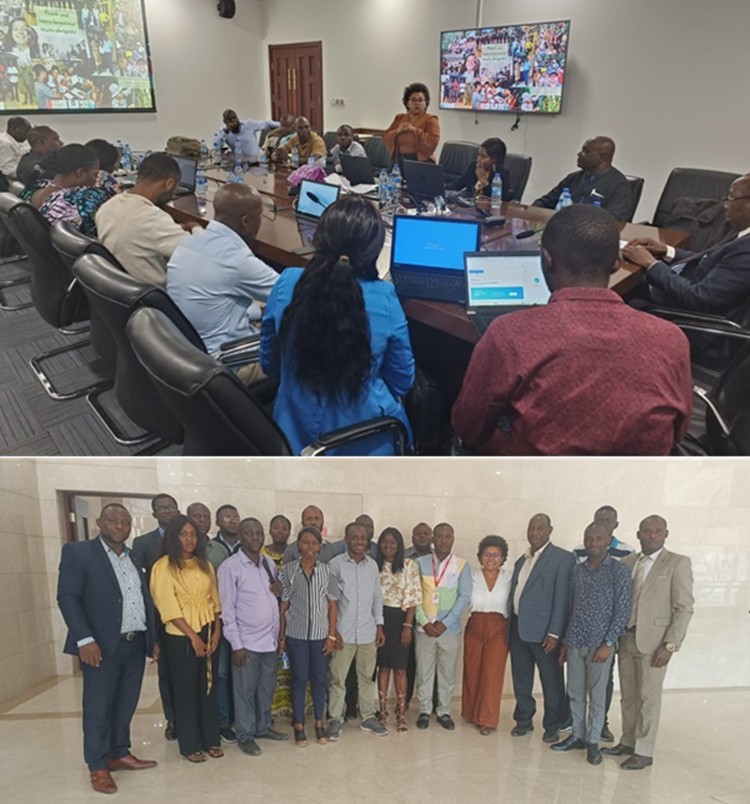
Image 4: Workshop on Genetic and Chemical methods applied to timber tracing and data hand-over in Brazzaville, Congo.
Follow the Topic
-
Communications Earth & Environment
An open access journal from Nature Portfolio that publishes high-quality research, reviews and commentary in the Earth, environmental and planetary sciences.
Related Collections
With Collections, you can get published faster and increase your visibility.
Ecological resistance and resilience under global change
Publishing Model: Open Access
Deadline: Apr 07, 2027
Hazards in Mountain Regions
Publishing Model: Open Access
Deadline: Nov 02, 2026