Fiber “stethoscope” for high-speed railway: health inspection using fiber cable along the line
Published in Electrical & Electronic Engineering and Mathematical & Computational Engineering Applications






As a large infrastructure of modern society, telecommunication optical fiber networks are widely distributed. In recent years, enhancing them with sensing capabilities—besides their original role in data transmission—has become a growing area of interest. Related works generally fall into two categories. The first uses backscattered signals from pulsed light transmitted in the fiber. Distributed Acoustic Sensing (DAS) is a typical example. It offers high sensitivity and high spatial resolution, and has been successfully applied in areas such as perimeter security and pipeline monitoring [1–2]. The second approach, used in our work, constructs a large-scale optical fiber interferometer using continuous light. It enables long-distance sensing and accurate detection of large-amplitude vibrations. However, the integral response mode leads to two key limitations: low precision in vibration localization and weak distributed sensing capability—both of which limit its broader application.
However, the full potential of interferometry-based sensing remains underexplored. Recently, interferometry-based distributed sensing has regained researchers' attention [3-6]. With its long sensing distance and high-fidelity detection of large-amplitude vibrations, we believe laser interferometer can still take center stage, once given a proper application scenario. High-speed railway offers just that opportunity. As a critical transportation infrastructure, high-speed railway demands real-time, online health monitoring. The long track length and strong train-induced vibrations make laser interferometry a particularly well-suited solution.
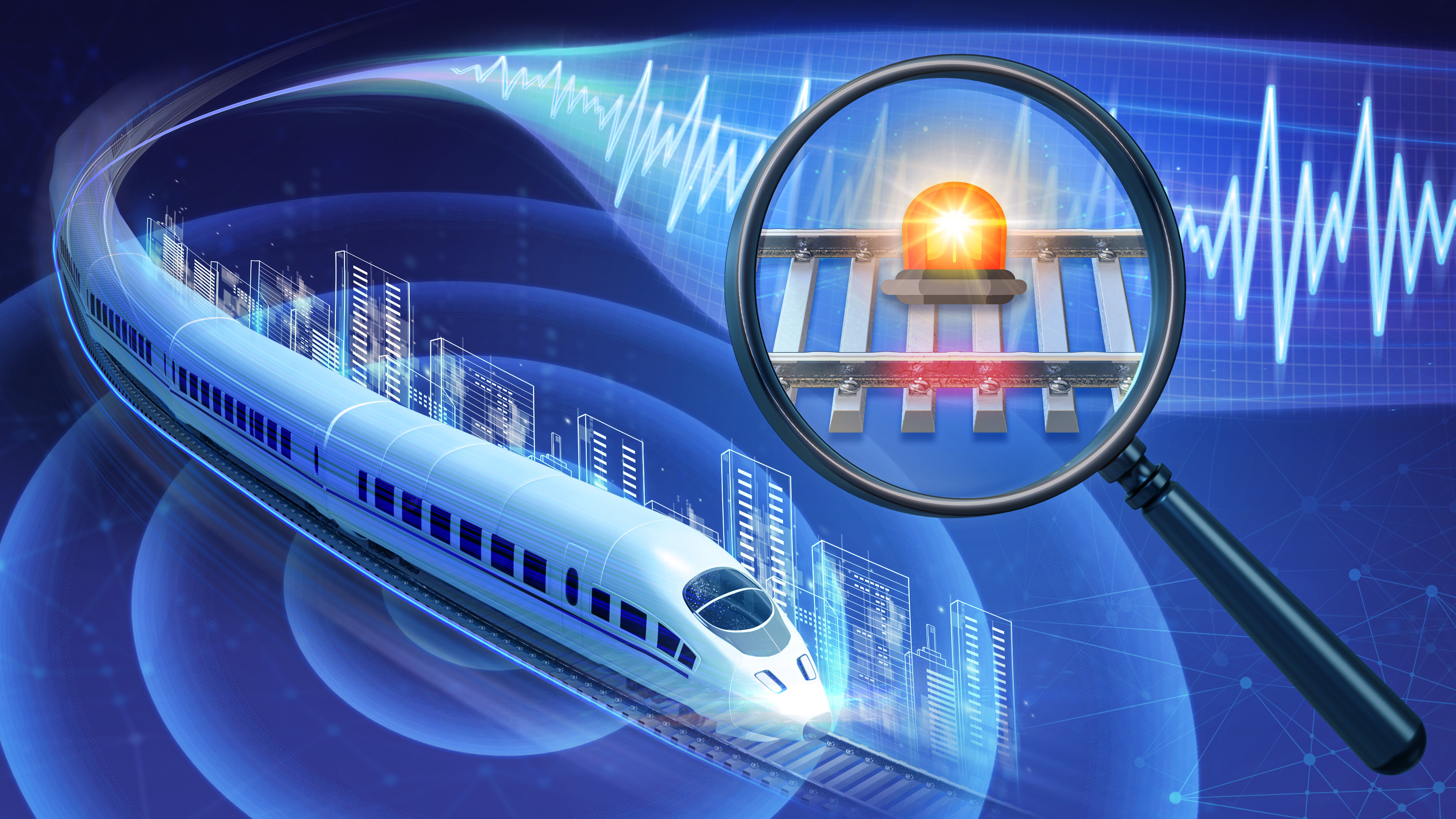
In light of this, we take on the challenge and began exploring Laser Interferometry for High-Speed Railway Health Inspection using Telecom Fiber along the Line, as illustrated in Fig. 1. For vibration localization problem, we conducted field inspections along the monitored railway section. At each typical structure—bridges, ballasted and ballastless track, we recorded vibration waveforms when train passed. The results were promising: the integrated waveforms showed both stable and distinct patterns specific to each railway section. Theoretical analysis further confirmed that these patterns contain sufficient information to differentiate between railway sections.
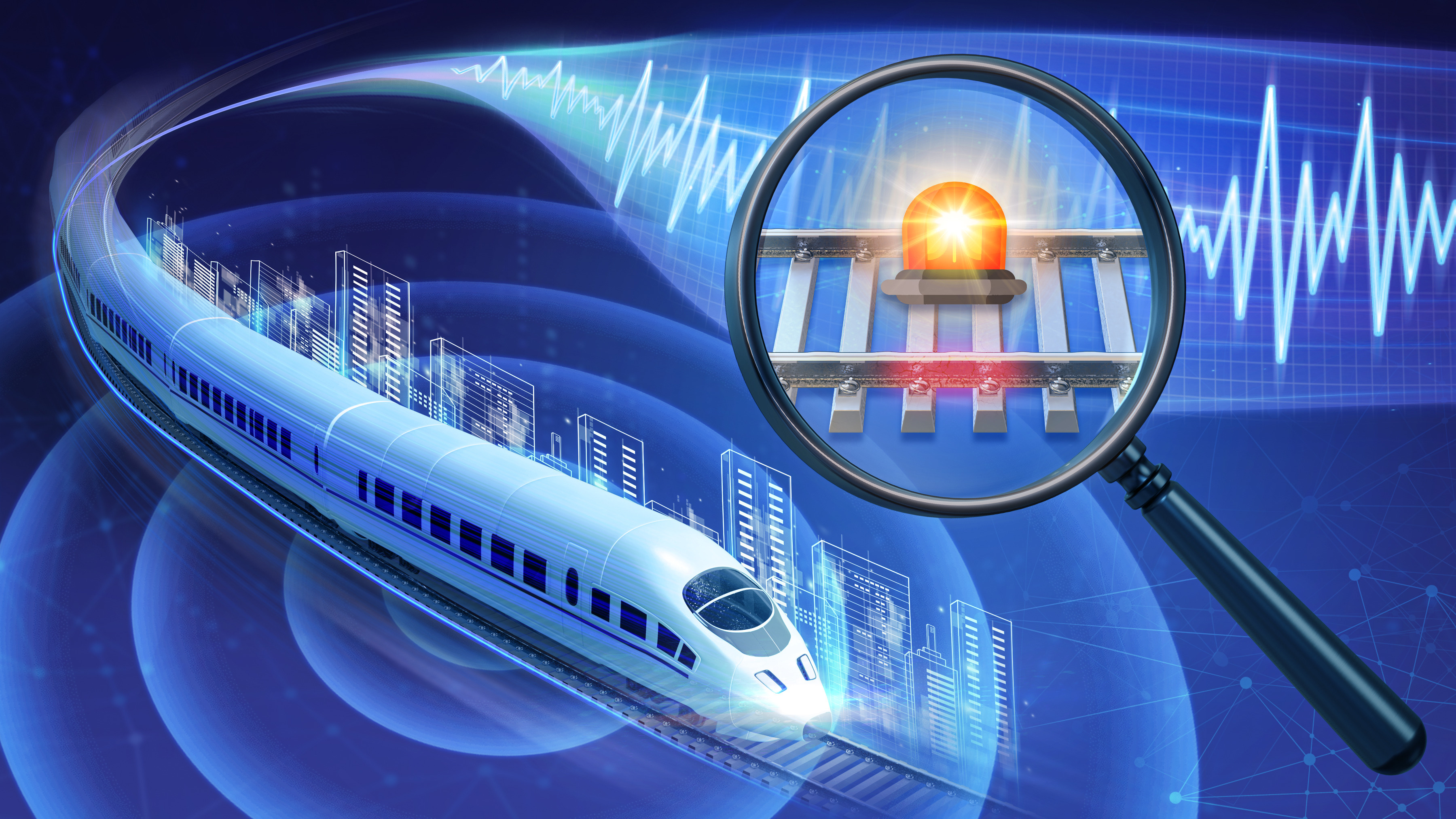
Figure 1. Fiber “stethoscope” for high-speed railway.
Building on this, we used DAS-based vibration localization data as ground truth to train a neural network, mapping interferometric vibration patterns to specific railway sections. Once trained, the interferometer system could independently perform localization (shown in Movie 1)—without DAS assistance—thus overcoming a key constraint in applying this technology to high-speed railway monitoring scenario.
Movie 1: Real-time localizing results of high-speed railway trains
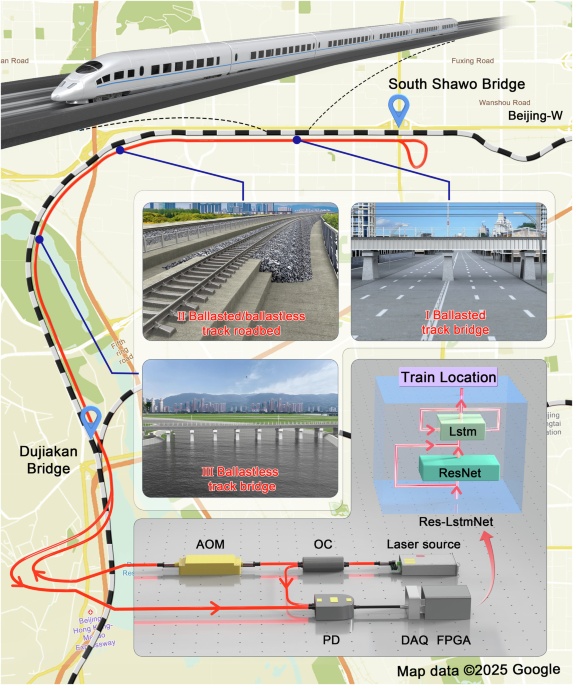
Based on this, we conducted continuous monitoring over a year on the 12-km section of the Beijing–Guangzhou High-Speed Railway (shown in Fig. 2). The average power spectral density (A-PSD) of vibration signals is chosen as the railway health indicator, and we assessed both its long-term stability and sensitivity to track faults. Throughout the monitoring period, whenever heavy rain, hailstorms, or seismic waves struck the railway, we promptly analyze the data. Despite these disturbances, the A-PSD of the railway sections remained highly stable—consistent with the healthy state of railway.
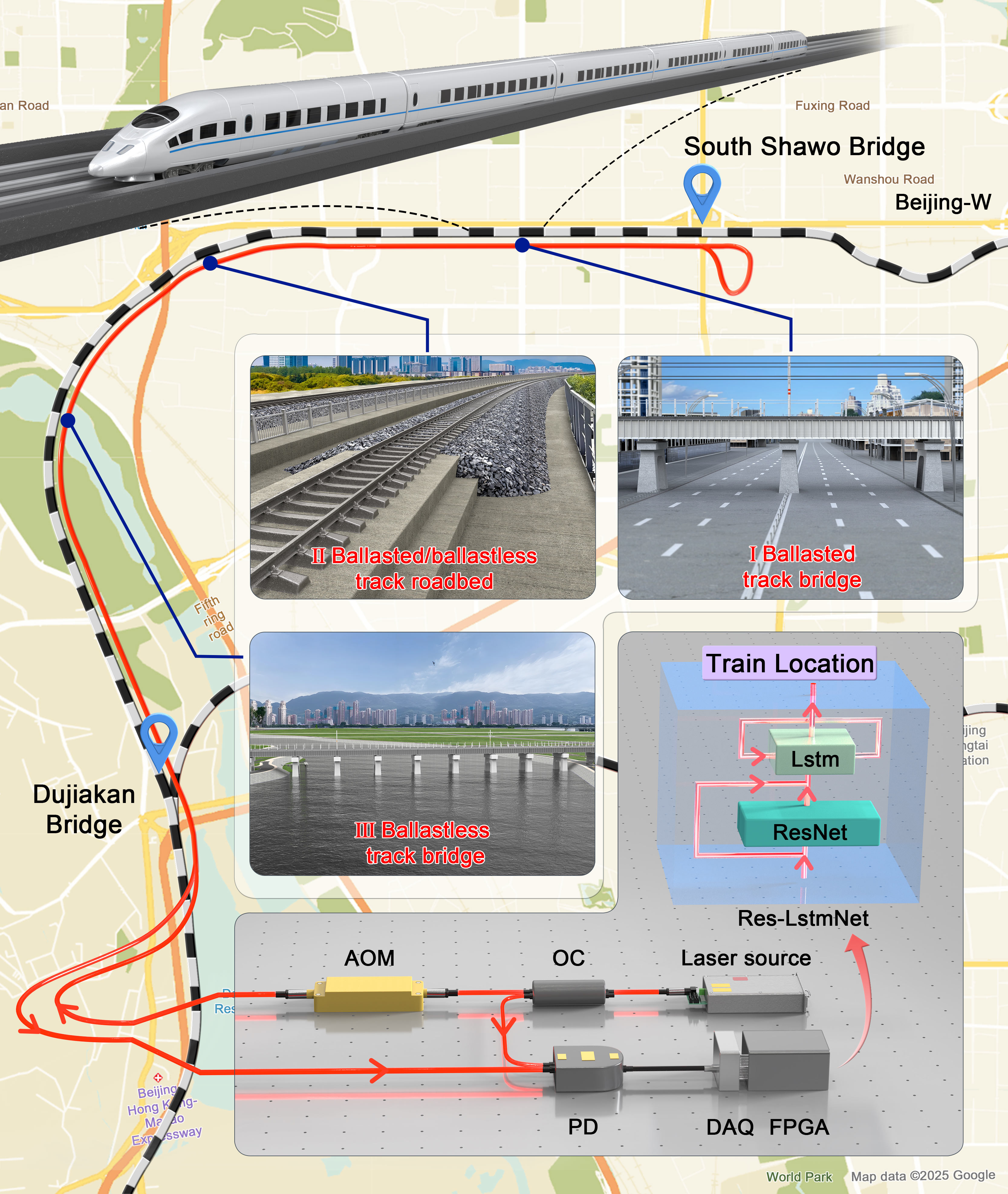
Figure 2 The HSR platform under measurement.
To further demonstrate the response to track faults, we consulted with the High-Speed Railway Engineering Section of Beijing Railway Bureau. We reviewed historical fault and maintenance records of the monitored section, and compared them with our recorded data. In one recorded case, it was encouraging that the vibration characteristics changed significantly before and after maintenance, as shown in Fig. 3. Similar findings appeared in later cases as well, further supporting the feasibility of high-speed railway health monitoring based on laser interferometer.
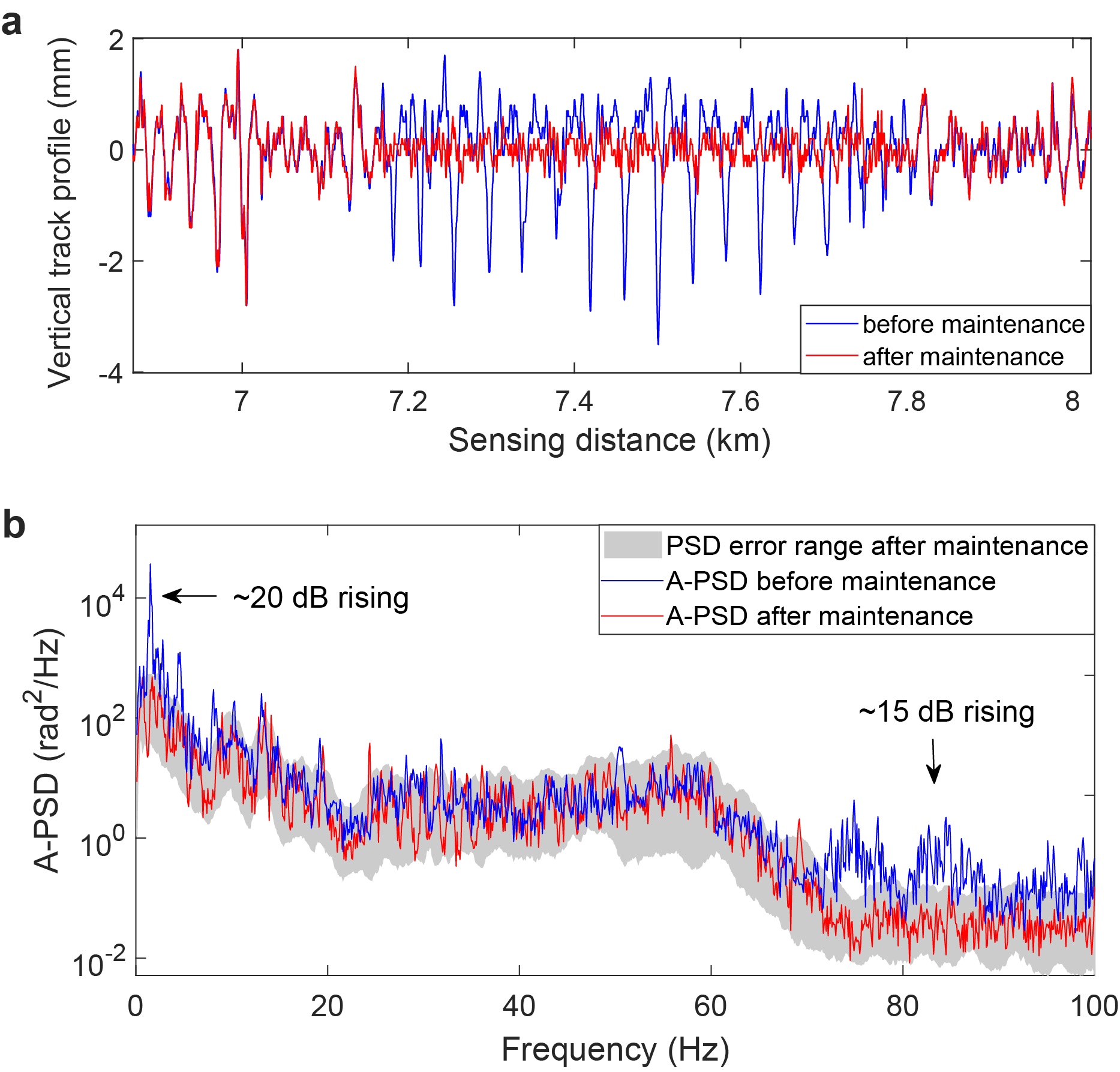
Figure 3 Sensing results of a rail section before and after maintenance
We believe the fiber “stethoscope” holds great promise beyond this initial demonstration. One day, we hope that fiber networks along railways worldwide will take on this role—listening to the tracks and safeguarding every stretch of the railway.
We would like to thank staff of High-Speed Railway Engineering Section and Communication Section of Beijing Railway Bureau, and Gongjian Hengye Communication Technology Corporation Limited for arranging the experimental platform and providing track recording vehicle inspection data.
References:
- Lindsey, N. J. et al. City‐Scale Dark Fiber DAS Measurements of Infrastructure Use During the COVID‐19 Pandemic. Res. Lett. 47, e2020GL089931 (2020).
- Ajo-Franklin, J. B. et al. Distributed Acoustic Sensing Using Dark Fiber for Near-Surface Characterization and Broadband Seismic Event Detection. Rep. 9, 1328 (2019).
- Marra, G. et al. Ultrastable laser interferometry for earthquake detection with terrestrial and submarine cables. Science 361, 486–490 (2018).
- Marra, G. et al. Optical interferometry–based array of seafloor environmental sensors using a transoceanic submarine cable. Science 376, 874–879 (2022).
- Mecozzi, A. et al. Polarization sensing using submarine optical cables. Optica 8, 788 (2021).
- Wang, G. et al. Urban Fiber Based Laser Interferometry for Traffic Monitoring and Analysis. Lightwave Technol. 41, 347–354 (2023).
Bo Wang is a tenured associate Professor with the Department of Precision Instrument, Tsinghua University. His research highlights the principle and technological innovation on the Space-Time and Standards Technology, and fiber network sensing. He has won the Scientific and Technological Progress Award (first class) of Chinese Society for Measurement, and the Beijing Science and Technology Award (second class). He is the editorial board member of “Metrology and Measurement Technology”. He is the work package leader of synchronization and timing system for SKA-LOW, and SKA Consultant Leads committee member. He is the Senior Member of IEEE and OPTICA.
Follow the Topic
-
Nature Communications
An open access, multidisciplinary journal dedicated to publishing high-quality research in all areas of the biological, health, physical, chemical and Earth sciences.

Related Collections
With Collections, you can get published faster and increase your visibility.
Women's Health
Publishing Model: Hybrid
Deadline: Ongoing
Tumor Microenvironment Crosstalk and Therapeutic Implications
Publishing Model: Hybrid
Deadline: Nov 02, 2026