Finding Our Voices: Amplification and Quality of Life in Women with Turner Syndrome
Published in Genetics & Genomics and Arts & Humanities






Explore the Research
The impact of amplification on quality of life in women with Turner syndrome | Orphanet Journal of Rare Diseases
Authors: Lauren Mann, Au.D., Ph.D. and Lindsey VanLooy, Au.D.

Turner syndrome (TS) is a genetic condition affecting females, often resulting in various health challenges, including hearing loss. While previous research has highlighted the prevalence of hearing loss in TS, its impact on quality of life and the effectiveness of interventions like hearing aids remained largely unexplored. This study aimed to address this gap by investigating the relationship between hearing loss, hearing aid use, and quality of life outcomes in women with TS. Understanding these relationships is crucial for improving the well-being and communication abilities of individuals with TS.
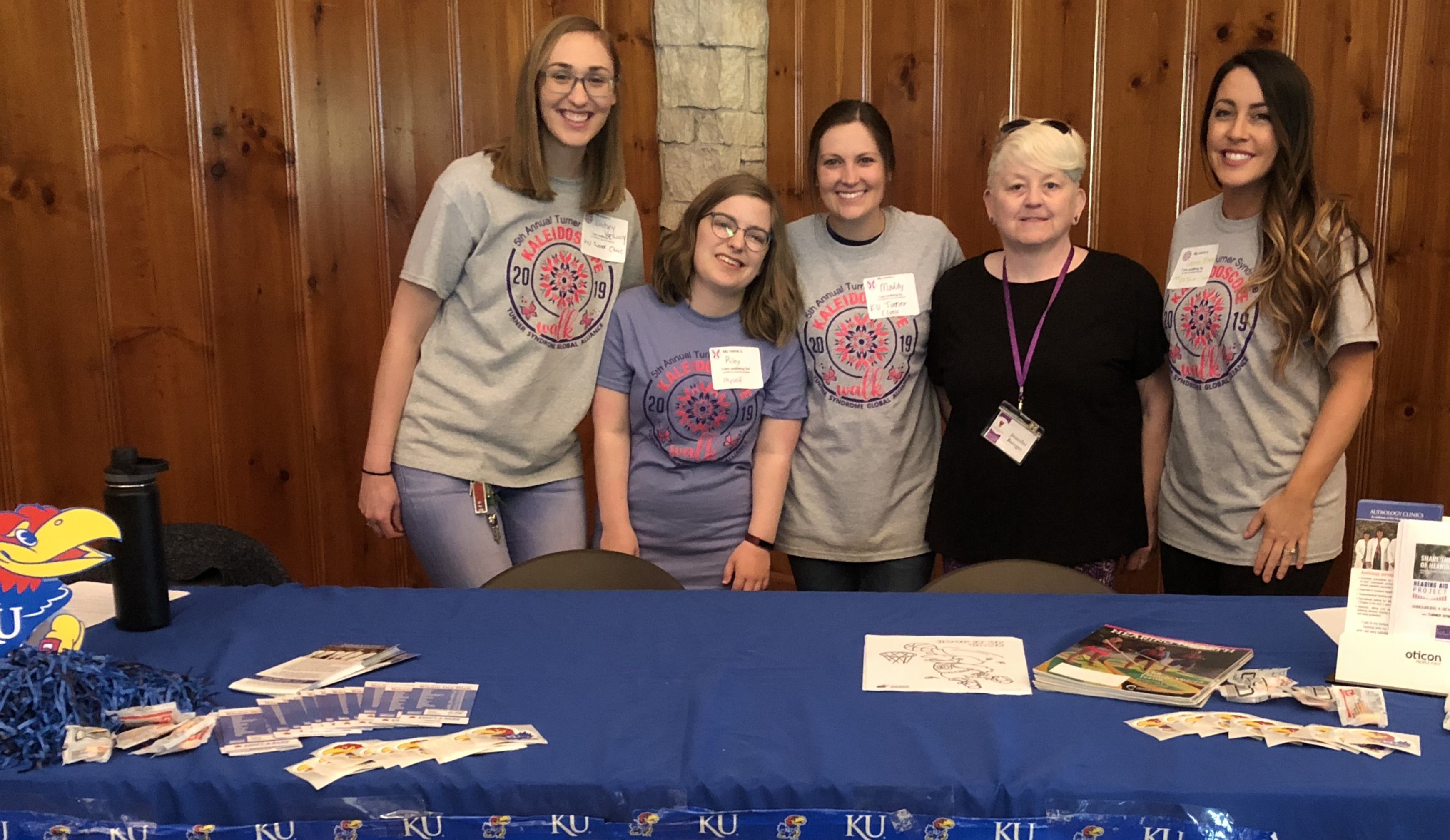
We recruited 179 adult women with TS through the Turner Syndrome Society of the United States (TSSUS) national conference and online platforms. Participants completed surveys assessing their communication confidence, quality of life, and hearing status. A subset of participants at the conference underwent audiological evaluations and received hearing aids. We compared outcomes between women with and without hearing aids, as well as analyzed changes in quality of life measures among those who received hearing aids.
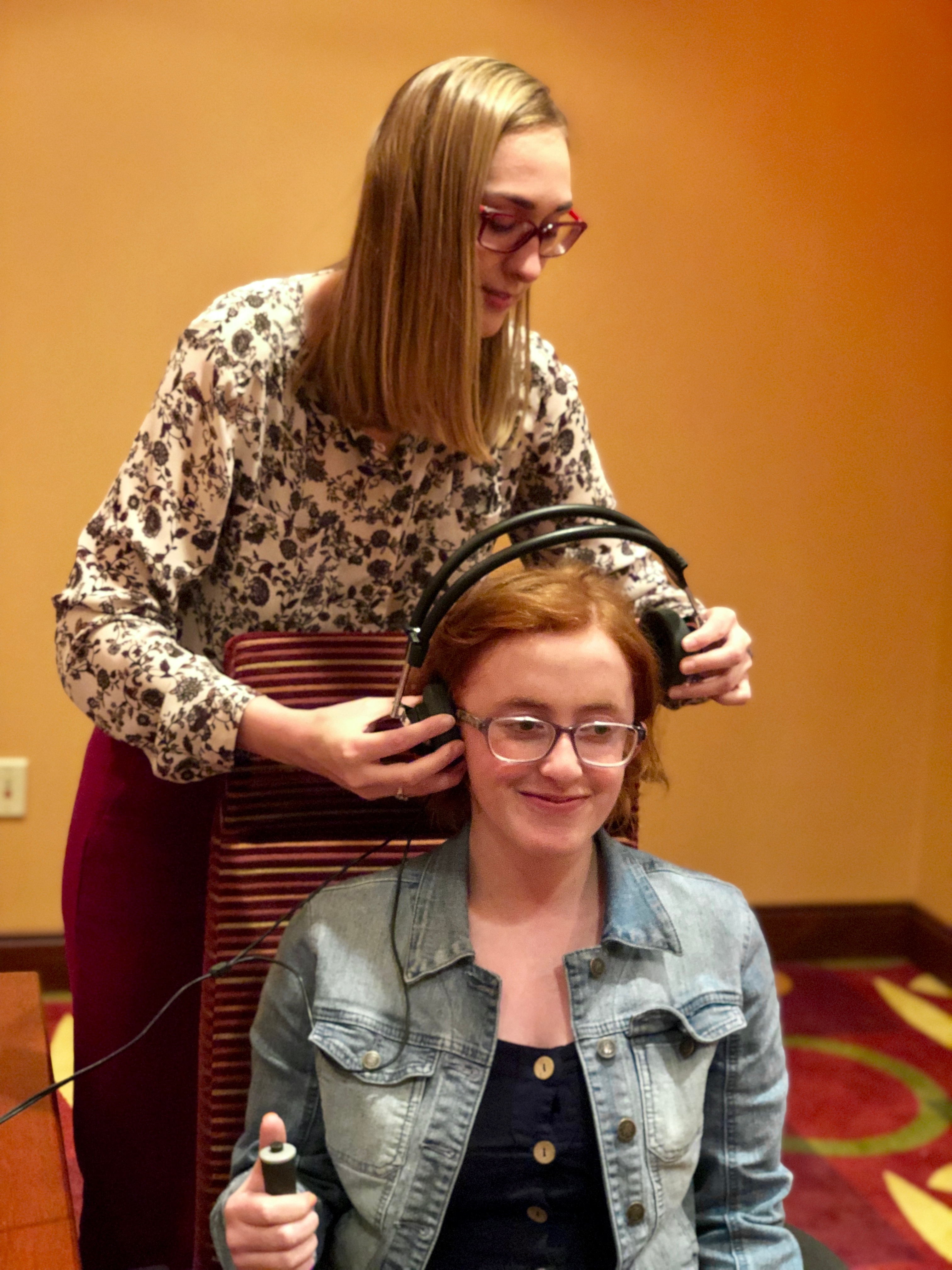
Our findings demonstrate that hearing aid use can significantly improve communication confidence and specific aspects of quality of life in women with TS. These findings emphasize the importance of early identification and intervention for hearing loss in this population. However, our study also highlights the need for a multi-faceted approach to address the communication challenges faced by women with TS, which may extend beyond the use of hearing aids alone.
As we approach Rare Disease Day 2025, I urge you to join me in raising awareness about Turner syndrome and other rare conditions. Let us work together to amplify the voices of those with rare diseases and ensure that they have access to the care and support they need to thrive. Furthermore, I encourage clinicians and researchers to actively listen to the rare disease communities and their concerns when considering research topics. By incorporating the lived experiences and priorities of individuals with rare diseases into the research agenda, we can ensure that our research efforts are relevant, impactful, and ultimately improve the lives of those affected.
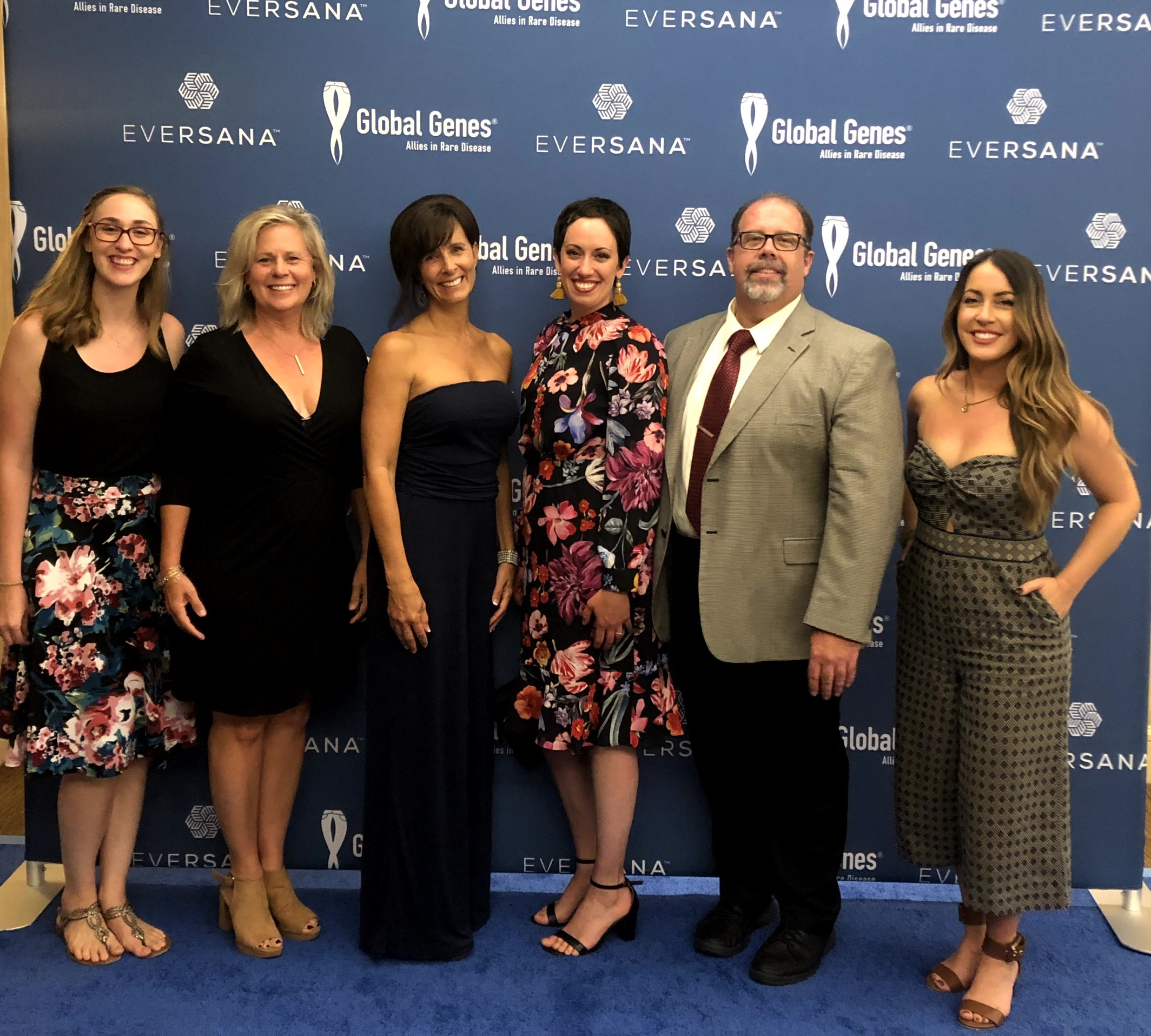
I am incredibly grateful to have had the opportunity to conduct this research and contribute to improving the lives of women with TS. I believe that everyone deserves to have their voice heard, and I am committed to continuing my work to amplify the voices of those with rare conditions.
Follow the Topic
-
Orphanet Journal of Rare Diseases
An open access, peer-reviewed journal that encompasses all aspects of rare diseases and orphan drugs and publishes high-quality reviews on specific rare diseases.

Related Collections
With Collections, you can get published faster and increase your visibility.
The Emerging Frontiers of Genetic Screening in Inherited Disorders
The core challenge of modern preventive medicine is the accurate and timely identification of individuals at risk for genetic disorders. For decades, genetic testing has been gated by restrictive clinical criteria and "phenotype-first" models, which often rely on family history or specific symptoms to trigger a diagnostic workup. However, emerging evidence highlights a significant diagnostic gap: a substantial proportion of individuals carrying clinically actionable pathogenic variants are currently missed because they do not meet traditional testing guidelines or lack a documented family history of disease.
This Collection focuses on how the next generation of screening technologies can expand diagnostic capacity and maximize diagnostic yield. We are moving toward a "genome-first" era, in which criteria-independent testing and the integration of multimodal data enable the identification of individuals at risk who were previously undetected within the healthcare system. By leveraging advanced sequencing technologies and computational infrastructures, we can shift from reactive diagnostics to proactive, large-scale screening strategies that improve clinical outcomes across multiple medical disciplines.
Key Areas of Interest
We invite original research, reviews, and clinical perspectives that explore the technological and clinical pathways to increasing diagnostic sensitivity and specificity:
- Expanding the Diagnostic Net: Evaluating the clinical utility of criteria-independent or universal screening to identify high-risk individuals who would otherwise remain undetected under standard guidelines.
- Genome-First Implementation: Analysing the impact of population-based genomic screening in uncovering hereditary diseases or pathogenic variants associated with inherited diseases before the onset of clinical symptoms.
- Synergistic Diagnostic Modalities: The integration of DNA sequencing with other high-resolution markers, such as biochemical profiling or functional assays, to refine risk assessment and increase diagnostic precision.
- Opportunistic Screening and Secondary Findings: Best practices for managing and reporting actionable genetic findings discovered during routine clinical sequencing.
- Scalable Screening Architectures: Innovative approaches to integrating large-scale genetic data into healthcare systems, including the use of electronic health records to support automated risk identification.
- Overcoming Implementation Barriers: Strategies to mitigate disparities in access to screening, focusing on populations in which reliable family history information is limited.
All submissions in this Collection undergo the journal’s standard peer review process. Similarly, all manuscripts authored by a Guest Editor(s) will be handled by the Editor-in-Chief. As an open access publication, this journal levies an article processing fee (details here). We recognize that many key stakeholders may not have access to such resources and are committed to supporting participation in this issue wherever resources are a barrier. For more information about what support may be available, please visit OA funding and support, or email OAfundingpolicy@springernature.com or the Editor-in-Chief.
Publishing Model: Open Access
Deadline: Jan 16, 2027
Advances in Our Understanding of Glutamatergic Receptor Biology: Selected Papers from the 7th European GRIN Conference
This Collection showcases selected research presented at the 7th European GRIN Conference, where families, clinicians, and scientists gathered to explore the latest discoveries in GRI disorders.
The featured papers delve into the biology of NMDA and AMPA receptors, their gene variants, and their clinical implications, offering insights into complex symptomatology and emerging therapeutic approaches.
Reflecting the collaborative and translational nature of the event, this Collection bridges foundational science with real-world impact, aiming to improve outcomes for individuals affected by GRI-related conditions.
All submissions in this collection undergo the journal’s standard peer review process. Similarly, all manuscripts authored by a Guest Editor(s) will be handled by the Editor-in-Chief. As an open access publication, this journal levies an article processing fee (details here). We recognize that many key stakeholders may not have access to such resources and are committed to supporting participation in this issue wherever resources are a barrier. For more information about what support may be available, please visit OA funding and support, or email OAfundingpolicy@springernature.com or the Editor-in-Chief.
Publishing Model: Open Access
Deadline: Sep 15, 2026




Please sign in or register for FREE
If you are a registered user on Research Communities by Springer Nature, please sign in