From Retrovirus Evolution to Zoo Management: A Genomic Approach to Koala Health
Published in Microbiology and Genetics & Genomics

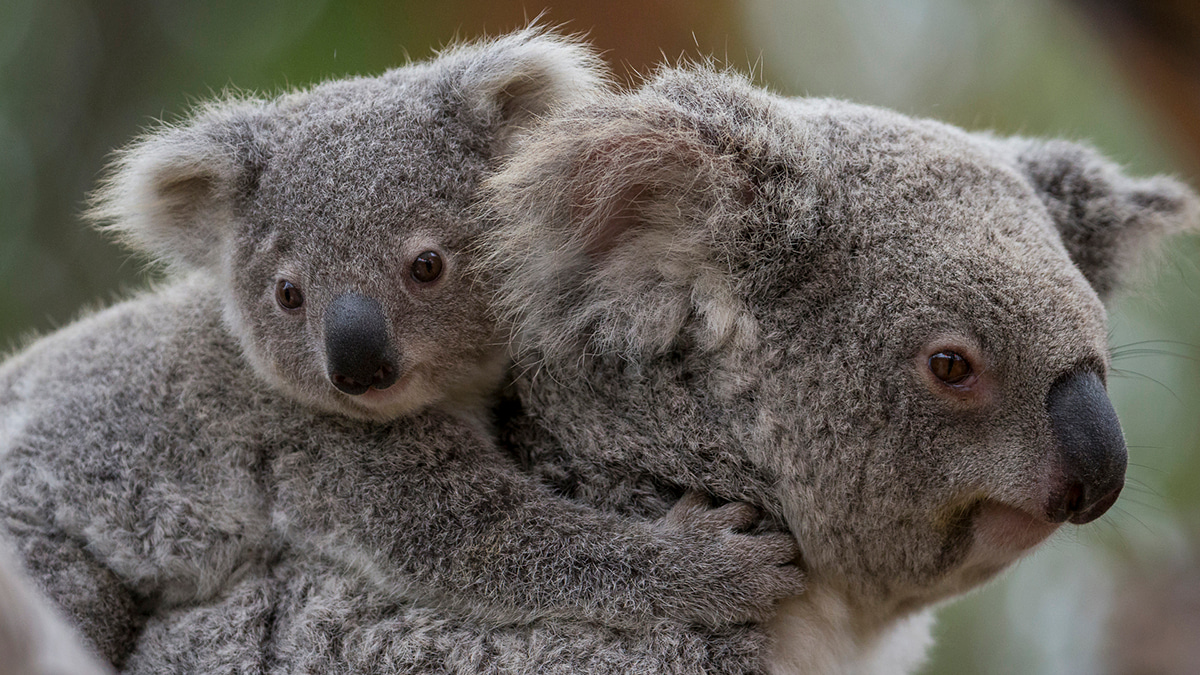



In 2021, scientists working on koala health and diversity met online to discuss challenges, opportunities, and new developments in koala conservation and koala retrovirus (KoRV) research. This charismatic, widely known species suffers from multiple threats, including habitat loss from urban expansion, climate change, low genetic diversity and infectious diseases. Common diseases in koalas include chlamydia and neoplasia.
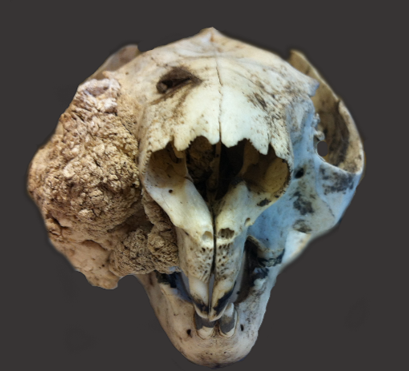
Veterinarians from the San Diego Zoo Wildlife Alliance were interested in improving the health of captive populations. Healthy captive populations serve as genetic reserves for endangered species and can support genetic rescue and future reintroductions. It has been reported that up to 60% of captive koalas die of neoplasia from various cancers. The effort from the meeting generated the creation of a team of koala enthusiasts funded by Illumina as part of the iConserve initiative, generating the current publication.
Previous work has demonstrated not only a correlation but also likely causation between endogenous KoRV and cancer development. Copies of endogenous KoRV can remobilize somatically in the koala genome, forming tumors by integrating preferentially near proto-oncogenes.
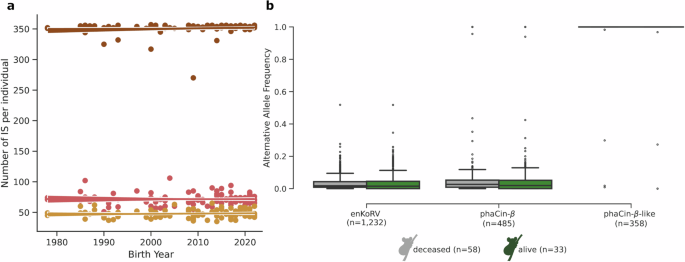
Unlike HIV, the best-known retrovirus in humans, KoRV is found in all koala cells, not only immune cells. When KoRV inserts into the germline it can be inherited by offspring, becoming part of the koala genome and a polymorphic variant in the population. The impact of different endogenous integrations is not yet fully understood, but our current work shows potential effects on koala health and fitness. The most frequent integration occurs inside an intron of the proto-oncogene SLC29A1, present in about half of captive and wild koalas. This integration has been associated with leukemia cases and has been observed to increase SLC29A1 expression. The function of this gene in koalas is not yet known and remains an important open research question.
Nevertheless, even without fully understanding the function of this integration, SLC29A1, or other integrations associated with disease, one practical step is to avoid increasing the population frequency of these potentially deleterious integrations. In addition to KoRV, we also considered another retrovirus still segregating in koalas, phaCin-β. This is an older retrovirus and appears less problematic than KoRV.
Using available health data, we developed a simple predisposition model — a genetic risk score — for leukemia and reproductive success based on carriage of these integrations. We also used age-at-death information to create a general longevity breeding model. Based on genetic risk scores and a longevity index, the zoo can use this additional tool for mate pairing to reduce the frequency of deleterious alleles and ultimately lower cancer rates in captivity while preserving as much genetic diversity as possible.
This is a first step in addressing the challenges zoos face when breeding small, threatened species. Our goal is to promote discussion of the genetic resilience of threatened species kept in captivity as genetic reserves for the future. We should strive to enhance the capabilities of zoos to act as sanctuaries for endangered species. The work of the San Diego Zoo Wildlife Alliance with koalas is an example to follow.
Besides the practical aspects of our research, the nature of the data — with available pedigrees and trios sequenced from both San Diego and Europe — allowed us to detect novel endogenous integrations. The observation of new endogenous integrations reinforces the recent evolutionary activity of KoRV and phaCin-β, which remain rare examples of retroviruses currently undergoing endogenization.
Follow the Topic
-
Nature Communications

An open access, multidisciplinary journal dedicated to publishing high-quality research in all areas of the biological, health, physical, chemical and Earth sciences.
Related Collections
With Collections, you can get published faster and increase your visibility.
Women's Health
Publishing Model: Hybrid
Deadline: Ongoing
Advances in neurodegenerative diseases
Publishing Model: Hybrid
Deadline: Mar 24, 2026
Please sign in or register for FREE
If you are a registered user on Research Communities by Springer Nature, please sign in