Glacier lake ecosystems are changing faster than climate on the Tibetan Plateau
Published in Earth & Environment
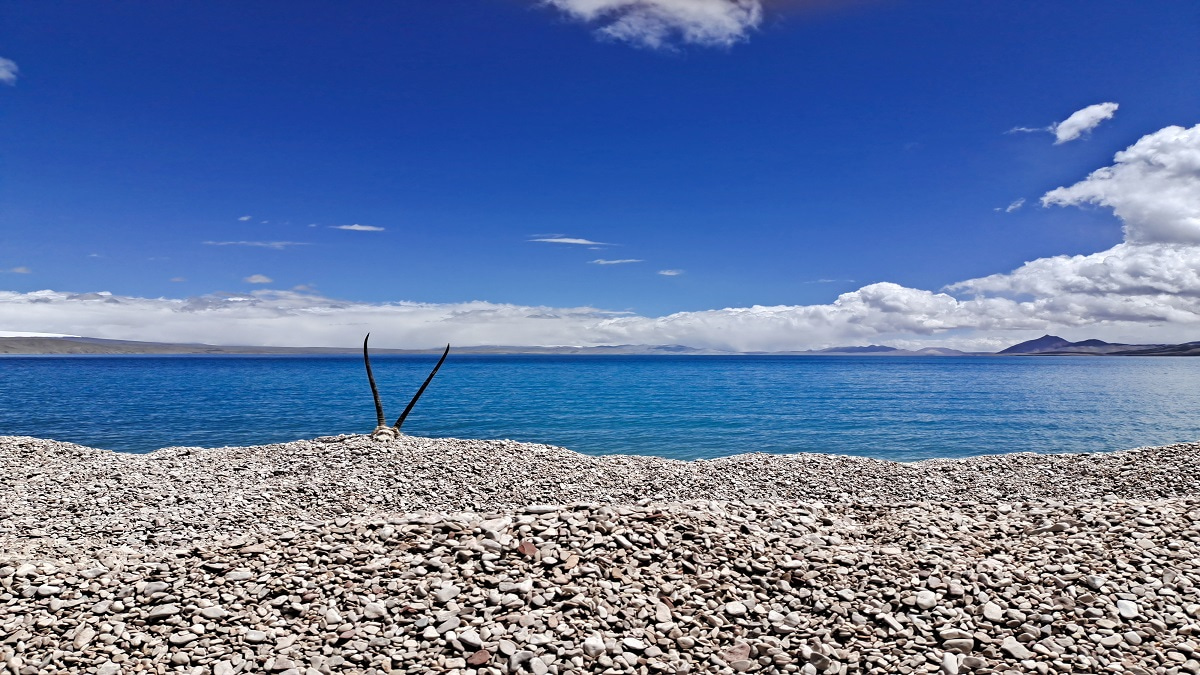




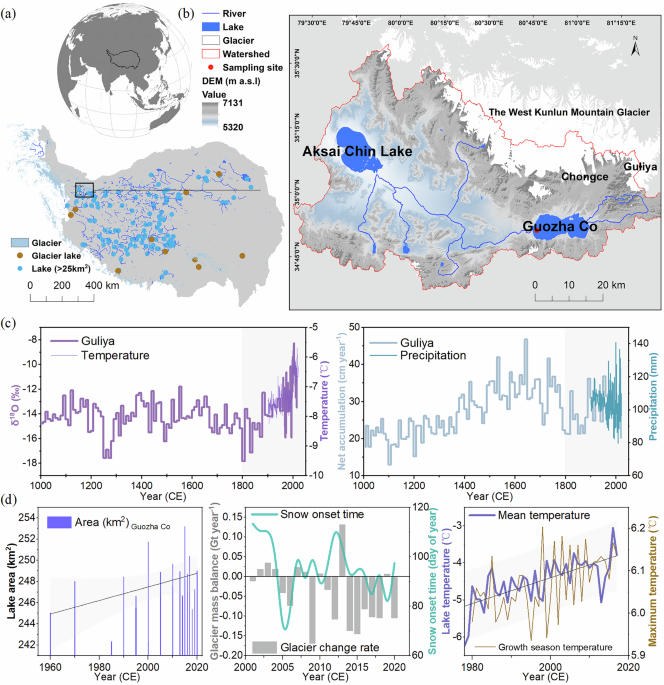

Why This Research Matters
The Tibetan Plateau is currently experiencing rapid environmental changes, with warming rates exceeding twice the global average. This has triggered extensive glacier retreat, significantly affecting the watershed and hydrological processes of glacier-fed lakes. However, it is unclear whether glacial lake ecosystems can keep pace with such rapid watershed environmental shifts. Our study "Rapid ecological change outpaces climate warming in Tibetan glacier lakes" investigates these dynamics, using lake sediment archives and regional record integration. It reveals that algal communities in Tibetan glacial lakes closely track climate warming, providing critical evidence for understanding alpine lake ecosystem responses to global change. It also emphasizes the urgency of targeted conservation strategies to mitigate ecological imbalance.
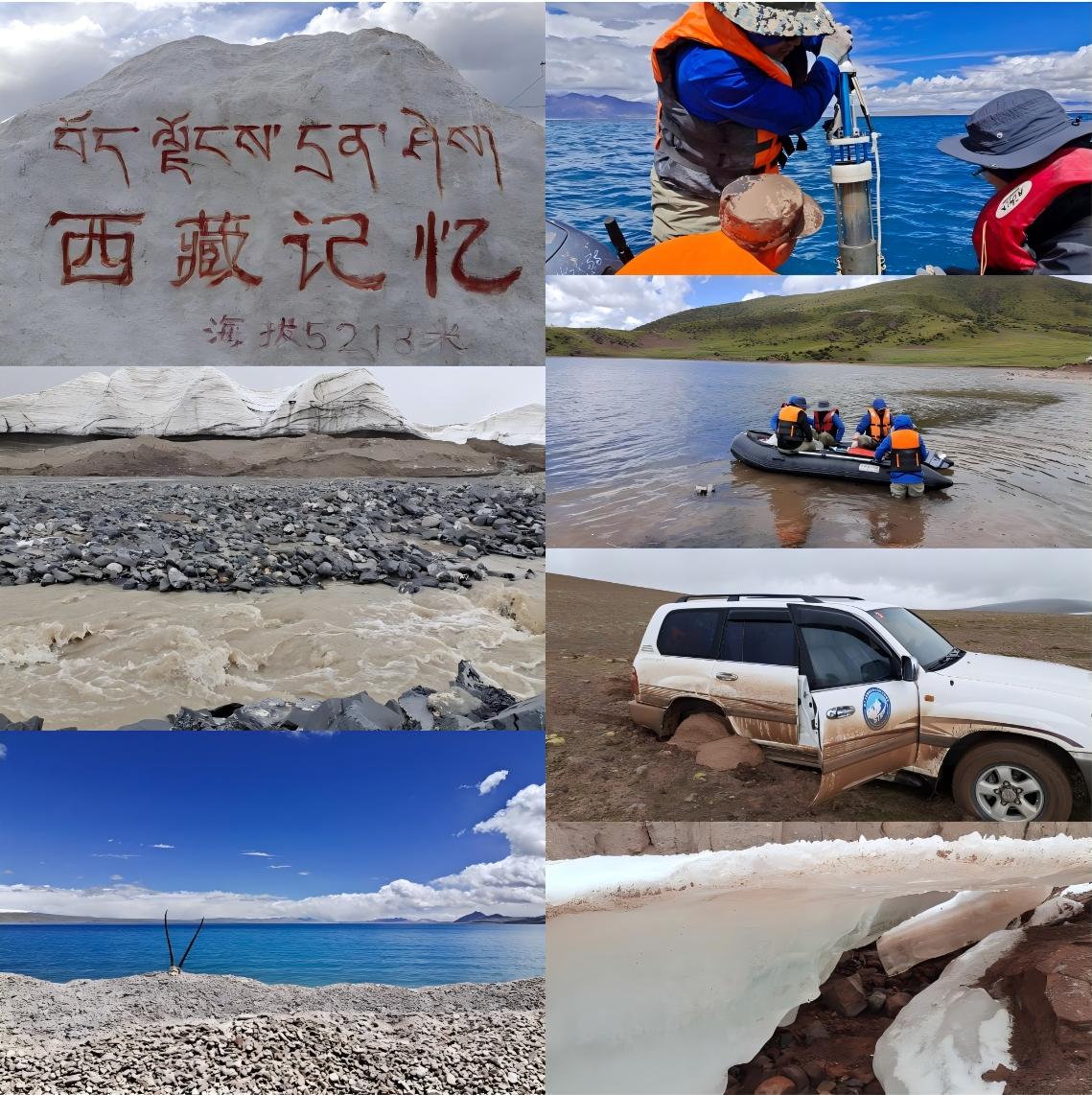
Figure 1. Field sampling photography (August 2021)
Challenging field sampling work
The first step to address this involved acquiring natural lake sediment samples. In August 2021, spanning over 5,000 kilometers from Nanjing to the Tibetan Plateau, we joined a field team for a two-month lake sediment sampling expedition. Working at an average altitude exceeding 4,000 meters (some areas over 5,200 meters), the extreme environment, especially oxygen scarcity, complicated the mission (Fig. 1). Take Guozha Co as an example, a glacial lake in the Qiangtang Nature Reserve in Ngari Prefecture. Traveling from Songxi Village camp to Guozha Co took 5 hours for just 100 kilometers due to complex, roadless terrain in the Qiangtang Nature Reserve. The team endured multiple vehicle sinkings. During lake sampling, we faced heavy rainfall and stormy waves, making the 39-cm sediment core collected at 76 meters water depth in Guozha Co extremely precious. Sediments were transported to the lab for extraction of photosynthetic algal pigments and sedaDNA, enabling long-term lake ecosystem reconstruction via paleolimnology.
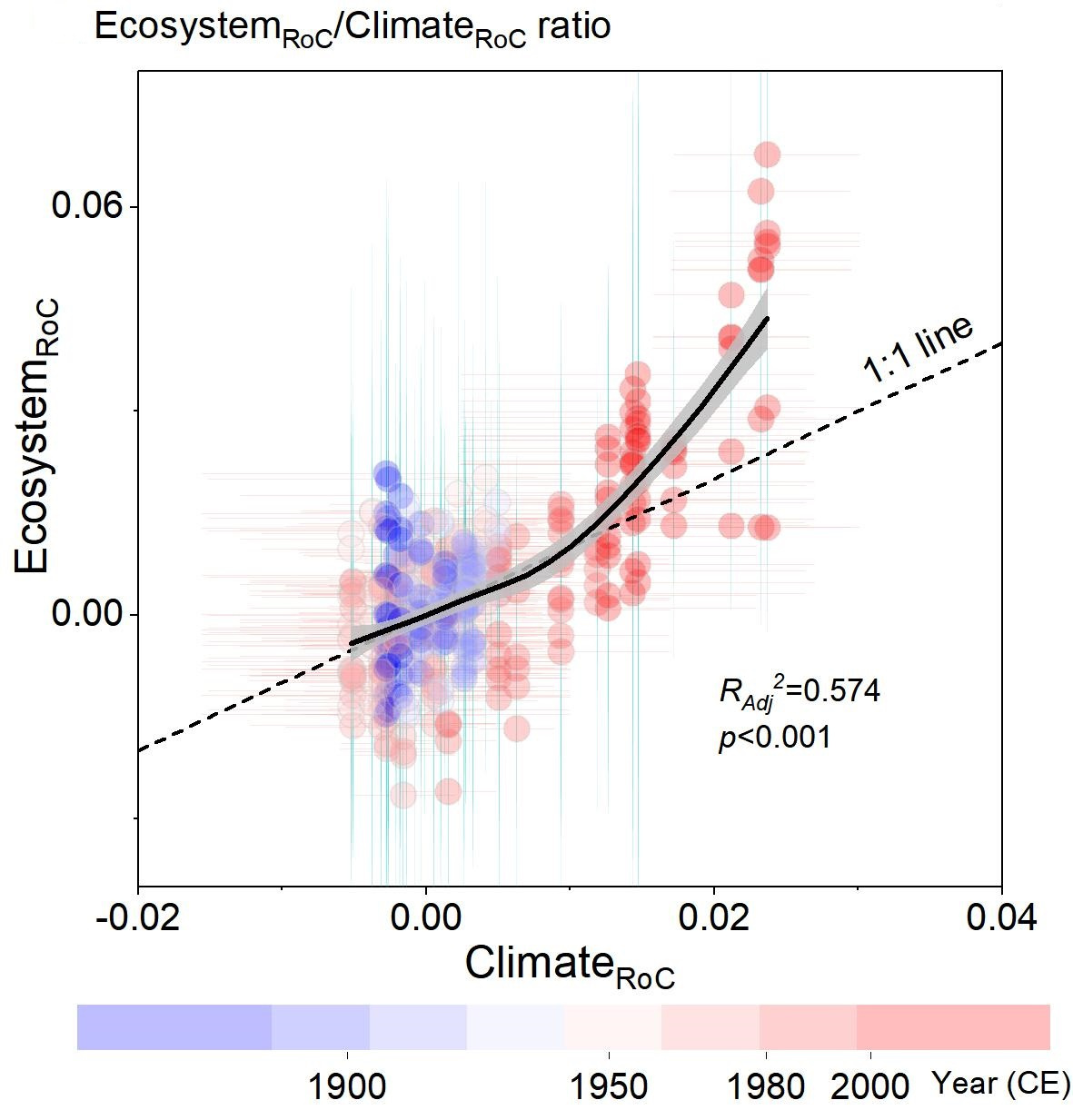
Figure 2. Ecological and climatic rate dynamics
Key Innovative Findings
Focusing on the period post-1850s marked by anthropogenic warming, we calculated ecological and climatic rates of change (RoC) using Generalized Additive Models (GAM) and compared their rates. Ecological RoC accelerated after 1960s, initially aligning with climatic RoC. However, the 1:1 modeling revealed a significant deflection after 1980s: ecological RoC surpassed climatic RoC, disrupting the long-term eco-climate dynamic equilibrium in glacial lakes, a finding supported by GAM results (Fig. 2). Regionally, most Tibetan glacial lakes showed similar ecological RoC acceleration since the 1980s (Fig. 3).
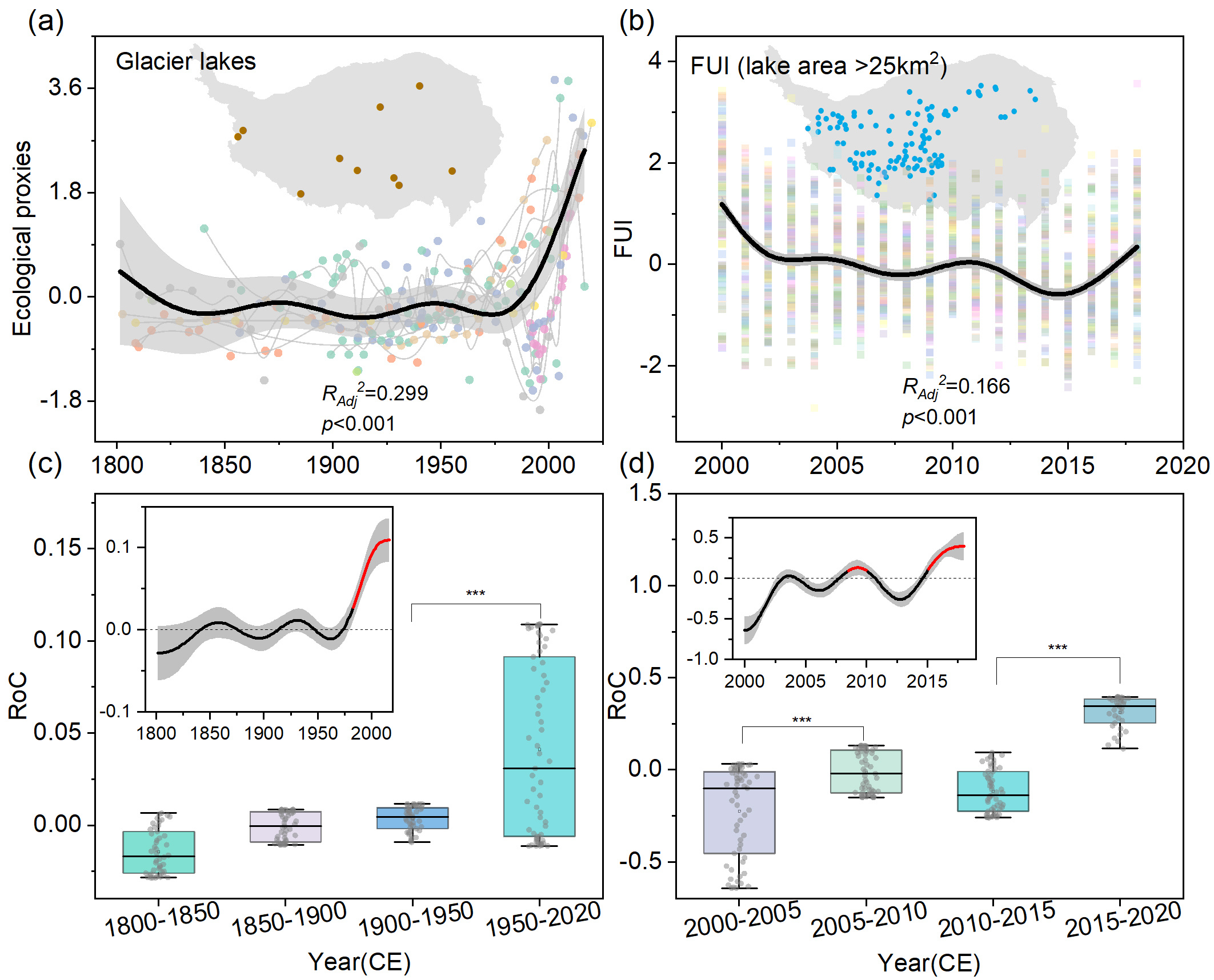
Figure 3. Lake ecological rates across the regional scale of the Tibetan Plateau
Cascade effects from temperature-driven glacier ablation likely drive rapid ecosystem changes. Structural Equation Modeling (SEM) shows that besides direct warming impacts, indirect effects such as shorter ice cover, extended growing seasons, increased water temperature, decreased salinity, and enhanced terrestrial inputs collectively promote algal growth (Fig. 4). This study highlights that algal communities in Tibetan Plateau glacial lakes rapidly track climate warming, providing critical evidence for understanding high-elevation lake ecosystem responses to global change. It urges the implementation of targeted strategies to alleviate ecological imbalance.
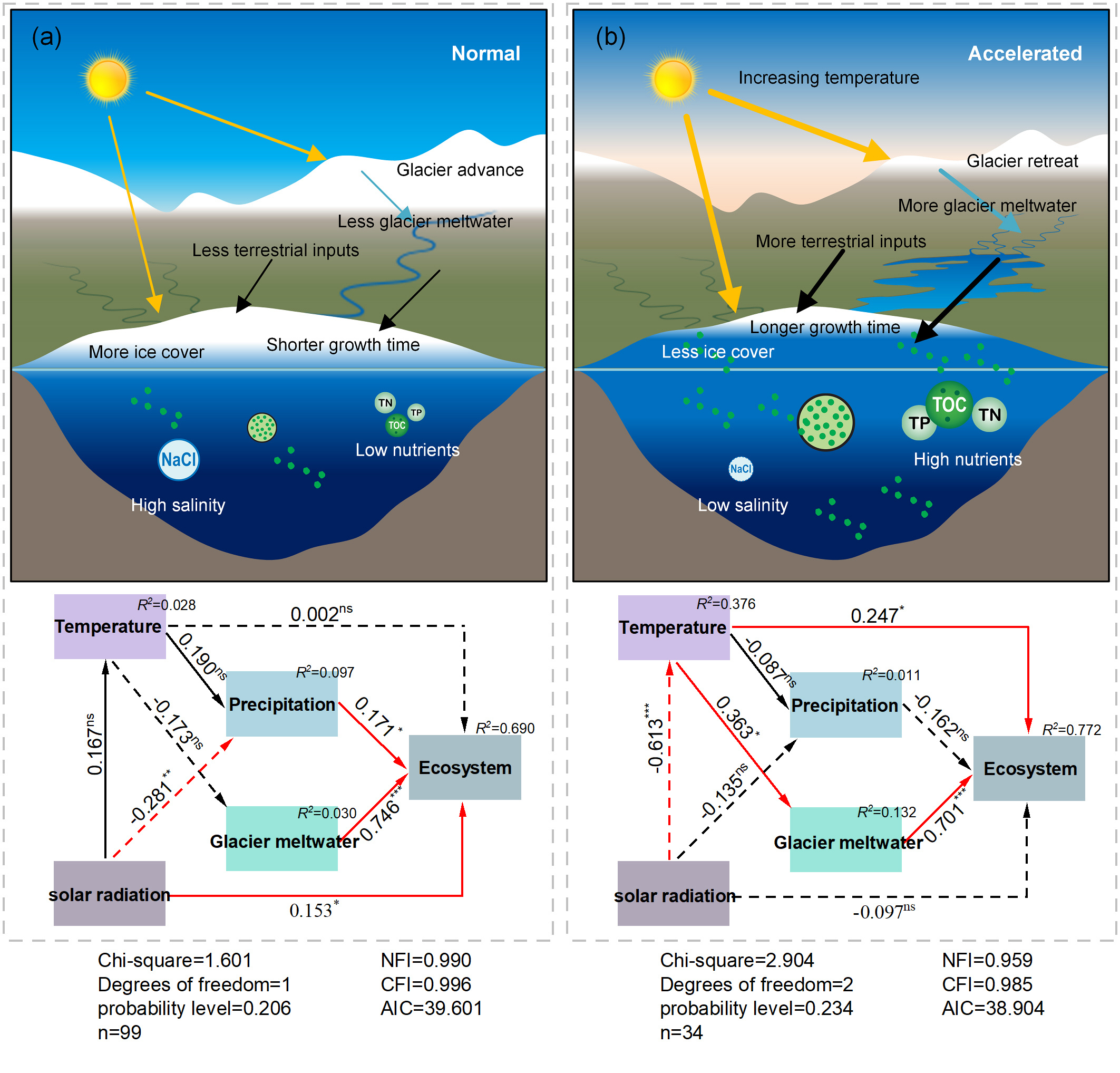
Figure 4. Hypothetical diagram of rapid ecological change
Future Outlook
Our study represents one important part for understanding the impact of the Tibetan Plateau's changing environment on lake ecosystems. As the Tibetan Plateau continues to warm, understanding these complex interactions is becoming increasingly important for protecting its fragile ecosystems. In response to our findings, we propose three key sustainable management strategies for Tibetan Plateau alpine lake ecosystems:
-
Establish ecological baselines through comprehensive paleolimnological studies (using sedimentary pigments, fossil remains, and environmental DNA) to quantify ecosystem deviations under warming.
-
Launch long-term monitoring integrating remote sensing and in-situ measurements to track physical drivers (e.g., temperature) and biological responses (e.g., algal communities), addressing current data gaps.
-
Incorporate rates of change into management, shifting from static to adaptive strategies that mitigate ecosystem-climate rate disparities and maintain ecological thresholds.

Follow the Topic
-
Communications Earth & Environment
An open access journal from Nature Portfolio that publishes high-quality research, reviews and commentary in the Earth, environmental and planetary sciences.

Related Collections
With Collections, you can get published faster and increase your visibility.
Hazards in Mountain Regions
Publishing Model: Open Access
Deadline: Nov 02, 2026
Carbon Dioxide Removal
Publishing Model: Hybrid
Deadline: Jan 16, 2027



Please sign in or register for FREE
If you are a registered user on Research Communities by Springer Nature, please sign in