How do Socio-Economic Disparities Shape Urban Heat Vulnerability?
Published in Social Sciences, Earth & Environment, and Sustainability




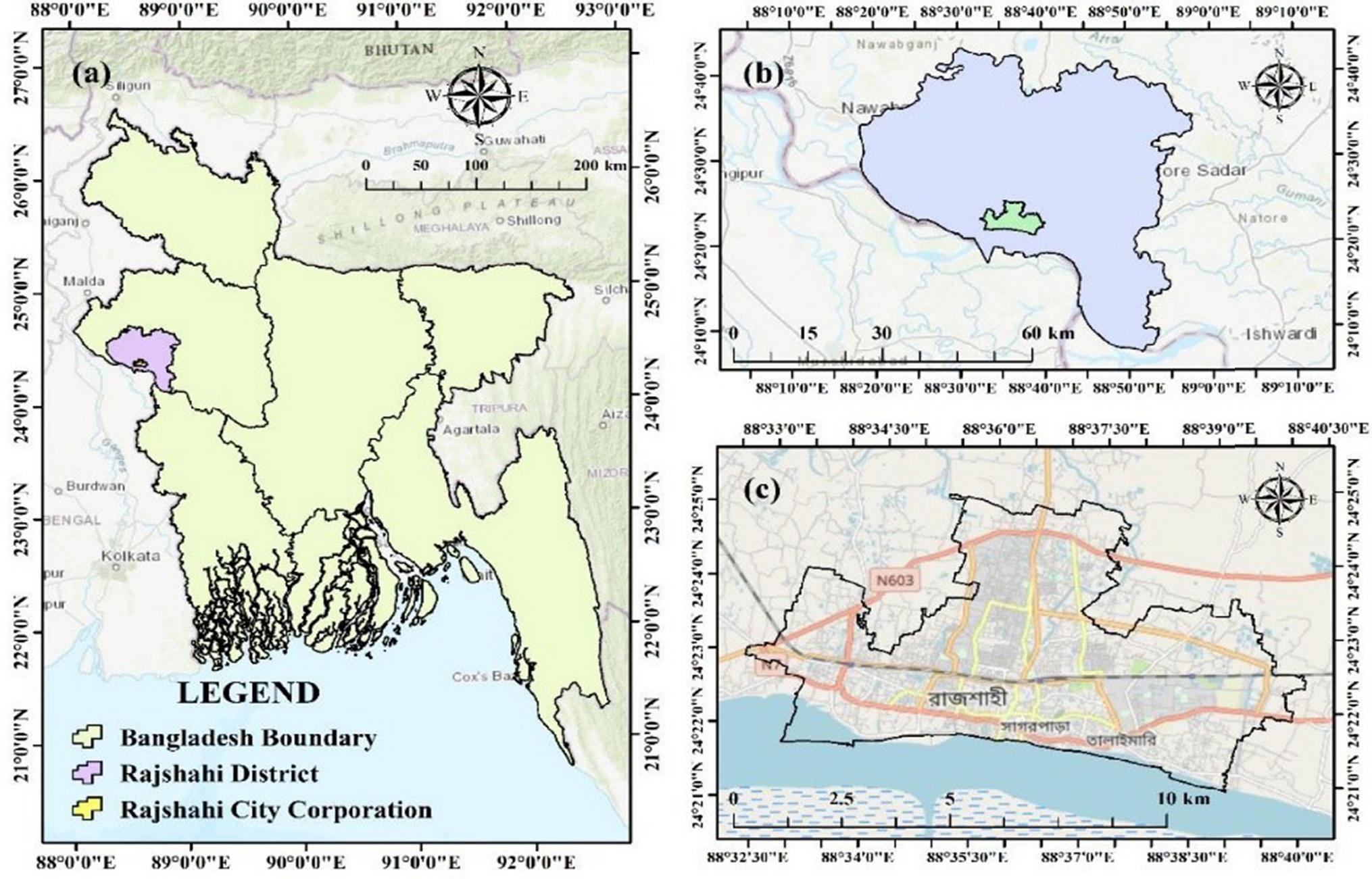

As a researcher deeply engaged with climate challenges in South Asia, I often find myself examining the tension between rapid urbanization and environmental vulnerability. Our recently published study in Discover Sustainability, titled "Urban Household Adaptation to Extreme Heatwaves: Health Impacts, Socio-Economic Disparities, and Sustainable Strategies in Rajshahi," emerges from this intersection.
This research was motivated by the urgent need to address the increasing frequency and intensity of heatwaves in Rajshahi, a city facing unique socio-economic and climatic challenges. The Urban Heat Island (UHI) effect exacerbates the risks associated with extreme temperatures, impacting public health, productivity, and overall quality of life. Our mixed-methods approach aimed to unravel these challenges, focusing on adaptation strategies and highlighting systemic disparities.
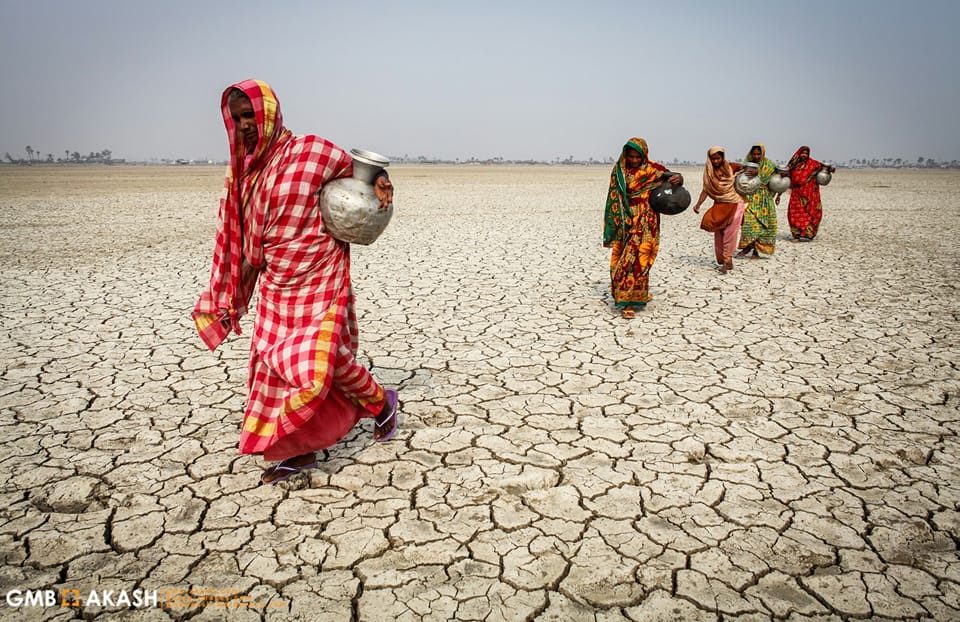
The key findings were significant. Low-income households, with limited access to cooling resources, predominantly rely on passive methods, which are often insufficient to mitigate health risks. Gender disparities were notably pronounced, as women reported higher levels of anxiety and less access to adaptation measures due to socio-cultural norms. Similarly, outdoor laborers faced acute vulnerabilities due to their occupational exposure.
A pivotal moment during our research occurred when we interacted with residents in Rajshahi’s low-income neighborhoods. Their resilience in the face of adversity, juxtaposed with their vulnerability, underscored the importance of targeted interventions. It became evident that education plays a crucial role in fostering awareness and adaptive behavior, while economic barriers continue to pose a significant challenge.
Below is a conceptual representation of the principal adaptation strategies identified in the study, categorized into behavioral, resource-based, and structural adaptations, highlighting their socio-economic influences.
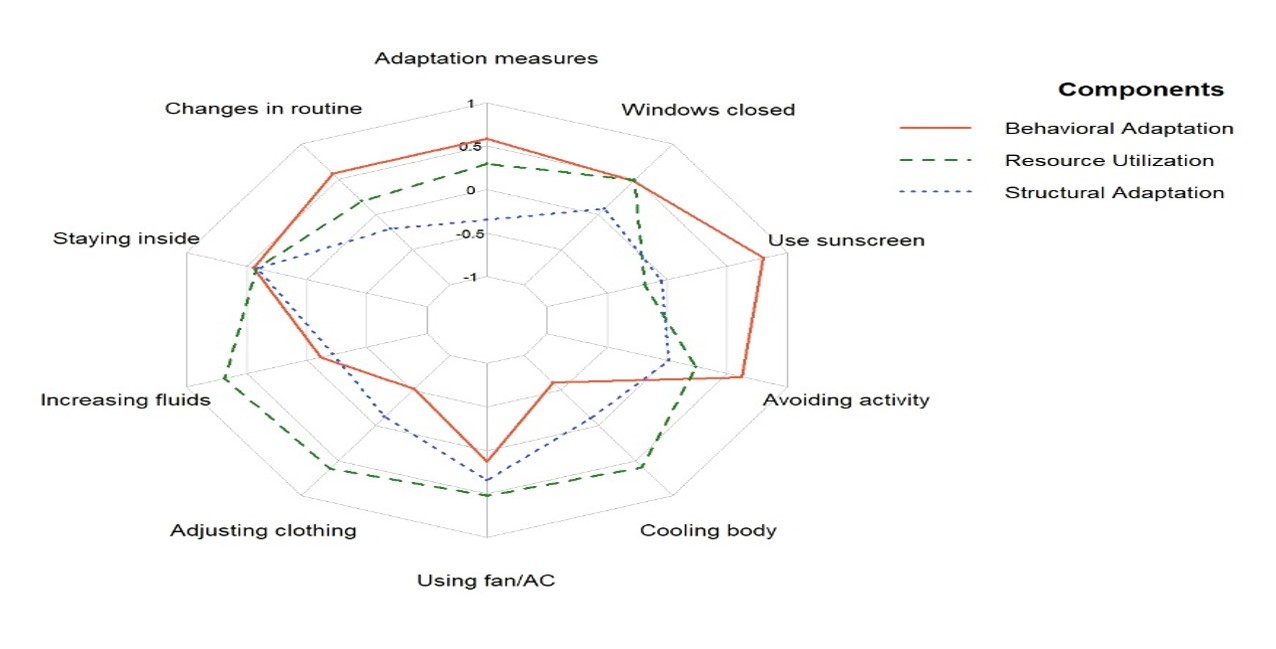
Our study also explored sustainable solutions, advocating for green infrastructure, improved urban planning, and community-centric adaptation strategies. The goal is not only to inform policy but also to inspire actionable change that prioritizes equity and inclusivity.
I hope this paper will serve as a valuable resource for policymakers, urban planners, and advocates of climate resilience. It is a call to action to address the cascading impacts of climate change on vulnerable urban populations and a reminder of our collective responsibility to build resilient communities.

Follow the Topic
-
Discover Sustainability
A multi-disciplinary, open access, community-focussed journal publishing results from across all fields relevant to sustainability research whilst supporting policy developments that address all 17 of the United Nations Sustainable Development Goals (SDGs).

Related Collections
With Collections, you can get published faster and increase your visibility.
Food, Societies and Sustainability: Contemporary Concerns around Local Food Production and Consumption
Food goes far beyond nutrition. It reflects sociocultural identities and territorial heritage, consumption dynamics, economic development, public policies, sustainability concerns, food production, distribution and consumption. Understanding food production and food products, practices and strategies offers key insights into both historical traditions and contemporary lifestyles. Around the world, food and drink serve as powerful symbols of identity and attract interest through diverse value chains, economic interests and cultural expressions. On the other hand, traditional and local food systems contribute to cultural heritage, biodiversity conservation and sustainability matters from environmental, sociocultural and economic concerns.
The Collection "Food, societies and sustainability: Contemporary concerns around local food production and consumption" explores how food is locally produced, promoted and protected through public and private initiatives, food-based experiences, media platforms, and sustainable dietary and productive practices. It encourages contributions that examine how food concerns are shaped in contemporary societies, how globalization is affecting local food cultures, emphasizing the role of food as both tangible and intangible cultural heritage. Food preferences, food stereotypes, and attitudes towards food sustainability, analysed through the lenses of generational gaps and gender differences are also welcomed. This Collection seeks original research and case studies using both qualitative and quantitative methods.
Keywords: Food Systems, Food culture, Food Production, Locality, Heritage, Tourism, Gastronomy, Agricultural Biodiversity, Livestock Biodiversity, Food Sustainability, Regenerative Tourism.
This Collection supports and amplifies research related to SDG 2, SDG 3, SDG 4, SDG 5, SDG 10, SDG 12, and SDG 17.
Publishing Model: Open Access
Deadline: Sep 30, 2026
Weather and Climate Extremes: A Special Reference to Multidisciplinary Research and Policy Developments
This Collection, titled "Weather and Climate Extremes: A Special Reference to Multidisciplinary Research and Policy Developments," focuses on the increasing global challenges posed by extreme weather events and climate phenomena. As these events intensify due to changing climate patterns, their impacts on ecosystems, infrastructure, human health, and socioeconomic systems become more pronounced, necessitating a multidisciplinary approach to understanding and addressing these complexities.
The Collection aims to bring together research from diverse fields, including atmospheric sciences, hydrology, ecology, engineering, public health, and social sciences. It encourages innovative contributions that explore cutting-edge solutions to predict, manage, and mitigate the effects of climate extremes. Topics may include advanced modelling techniques, nature-based solutions, climate-resilient infrastructure, risk assessment frameworks, and strategies for equitable policy development. The emphasis is placed on integrating scientific understanding with actionable solutions that address vulnerability, resilience, and adaptation.
Moreover, this Collection seeks to foster cross-disciplinary collaborations to bridge the gap between scientific research and policy implementation. By highlighting case studies, theoretical advancements, and practical approaches, it aims to advance the dialogue on climate resilience and inform decision-making processes globally. This platform aspires to serve as a critical resource for researchers, practitioners, and policymakers striving to navigate the escalating challenges of a changing climate.
Given the increasing frequency and intensity of climate extremes, this topic holds critical importance. Such extremes profoundly affect ecosystems, infrastructure, and human livelihoods, demanding coordinated efforts across disciplines to analyse risks, develop mitigation strategies, and inform policy. This Collection seeks to bring together cutting-edge research and innovative approaches from diverse fields, bridging scientific understanding and actionable policy frameworks. The proposed focus areas include, but are not limited to:
• Advances in modelling and forecasting weather and climate extremes
• Impacts on ecosystems, agriculture, water resources, and public health
• Nature-based solutions and climate-resilient infrastructure
• Interdisciplinary frameworks for risk management and adaptation planning
• Policy advancements addressing vulnerability, resilience, and equity
This call aims to engage a broad community of researchers, practitioners, and policymakers to enhance global discourse and support evidence-based decision-making by emphasising multidisciplinary contributions.
This Collection supports and amplifies research related to SDG
Keywords: Weather Extremes Modeling; Climate Change Impacts; Risk Assessment Frameworks; Nature-Based Solutions (NbS); Resilient Infrastructure Design; Equitable Policy Development; Interdisciplinary Climate Research; Adaptation and Mitigation Strategies; Socioeconomic Vulnerability Analysis; Extreme Event Forecasting
Publishing Model: Open Access
Deadline: Feb 28, 2027