It takes a village: fighting maternal mortality in rural communities
Published in Social Sciences, Sustainability, and General & Internal Medicine





Ten years ago, the United Nations member states laid out an ambitious agenda of Global Goals for Sustainable Development. At the heart of this is SDG3, Good Health and Well-being, aimed at improving quality of life at all ages around the world.
First on the list of challenges under SDG3 is “Reduce maternal mortality”. The aim here is that by 2030, fewer than 70 mothers per 100,000 live births will die during pregnancy, childbirth or the postnatal period.
This goal might conjure up images of high-tech, futuristic hospitals, and cutting-edge research on improving tests, interventions and follow-up care. But the reality is far more grounded. While all women should have access to good quality care from competent heath care providers throughout their pregnancies and beyond, this is not the case. Around one in five births still occurs outside of a healthcare setting, and in two thirds of these cases, no medical professional is present at all.
Where do rural communities come in?
Bringing rural populations into the picture adds another layer of complexity. A simulation study published last year estimated that across 200 countries, maternal mortality is almost three times higher for women living in rural areas than their urban counterparts.
Closing this gap is crucial, and the UN’s target to reduce maternal mortality cannot be achieved if mothers in rural communities are left behind. Alarmingly, recent research is suggesting that the disparity in pregnancy-associated deaths widened further during the pandemic, which emphasises the long road ahead between now and 2030.
Progress on the horizon
There is hope for this goal still, in the form of researchers worldwide who design and conduct studies aimed at improving the care of pregnant woman in rural communities.
Within the ISRCTN registry team, we’re proud to be supporting these researchers in ensuring that their studies are transparent and accessible to everyone. The five studies detailed below are standout examples of the progress being made globally:
Supporting young mothers in Sierra Leone
Sierra Leone has one of the highest death rates in adolescent mothers and their infants globally. Across rural settlements and the suburbs of its capital, Freetown, researchers from the Welbodi Partnership and King’s College London have been delivering the 2 Young Lives project to tackle this.
Mothers under 18 years old receive mentorship from the start of their pregnancy until a year after they give birth. Their mentors encourage them to give birth in a hospital and to take up antenatal care, as well as providing advice around contraception, childbirth and parenting. Results published this year show a significant reduction in maternal death, stillbirth and neonatal death. Statistical analysis revealed that for every 18 girls taking part in the project, one life is saved.
Anaemia on the rural plains of Nepal
One in five maternal deaths worldwide are linked to the condition anaemia – low quantity or quality of red blood cells to carry oxygen around the body. More than half of these cases occur in South Asia.

In Nepal’s Kapilbastu district, the VALID trial explored whether Zoom-based counselling could help pregnant women understand the importance of iron and folic acid supplements, as well as eating an iron-rich diet, to reduce the risk of anaemia and its complications. Results have been promising, women who received counselling were 30% more likely to take prescribed supplements, and their awareness of the benefits of an iron-rich diet increased as a result.
Nomadic pastoralism in Kenya
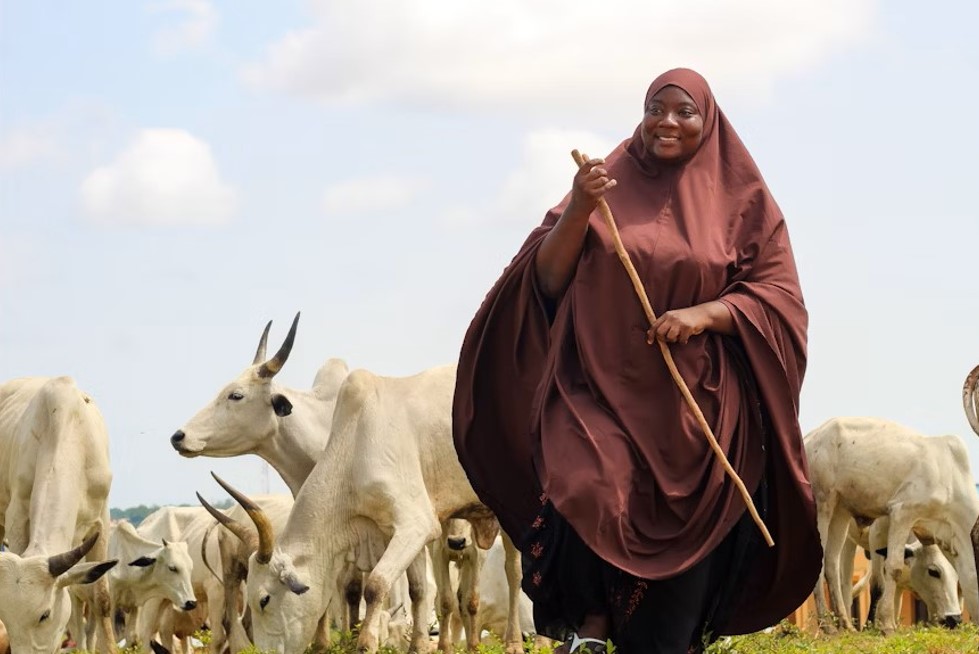
Throughout rural Kenya, many communities rely on pastoralism, a form of farming where people move with their animals across open grazing spread over vast expanses of land. For pregnant pastoralist farmers, this mobility means not being able to guarantee their own location, and can make accessing consistent healthcare more difficult. Climate change is intensifying this, forcing nomadic pastoralists to covering even wider ranges. Their limited access to static health facilities is contributing to Kenya’s high maternal mortality rate.
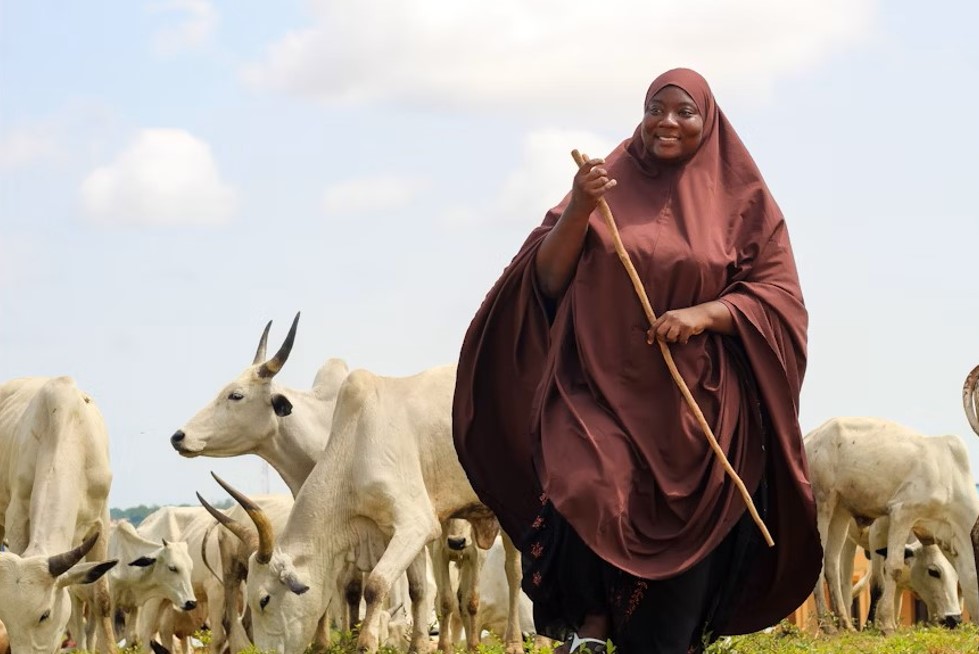
The Track And Save A Life study, led by the African Academy of Sciences and Hungary’s University of Pecs, tackled this by providing pregnant pastoralist women with GPS bracelets. These women were nine times more likely to have at least four healthcare visits before giving birth, three times more likely to access healthcare after birth, and four times less likely to experience a stillbirth.
Safer pregnancies in rural Northern Ghana
Promoting maternal healthcare for women in rural Northern Ghana has long been difficult. Even after maternal health fees were removed in 2004, barriers remained. Travel to health centres remains expensive and time consuming, and often requires additional childcare. Men are typically uninvolved in antenatal appointments, meaning they are less likely to appreciate the importance of their partner’s maternal care.
The It Takes A Village study, which this blog takes its name from, worked with village chiefs and elders to organise pregnancy-focused community meetings. These village meetings, known as durbars, leveraged the idea that the messages are taken seriously when they are delivered by respected local figures. The initiative also introduced monthly phone calls with pregnant mothers, as well as home visits aimed at involving the mother’s husband and extended family members. As a result, women were 28% more likely to have agreed on a birth plan with their family ahead of going into labour.
Beyond maternal health
In Ethiopia, attention is turning to the health of newborn babies born in rural areas within the West Gojjam and South Gondar regions. Researchers have identified that maternal undernutrition and infections during pregnancy both cause complications for the health of new mothers and their babies.
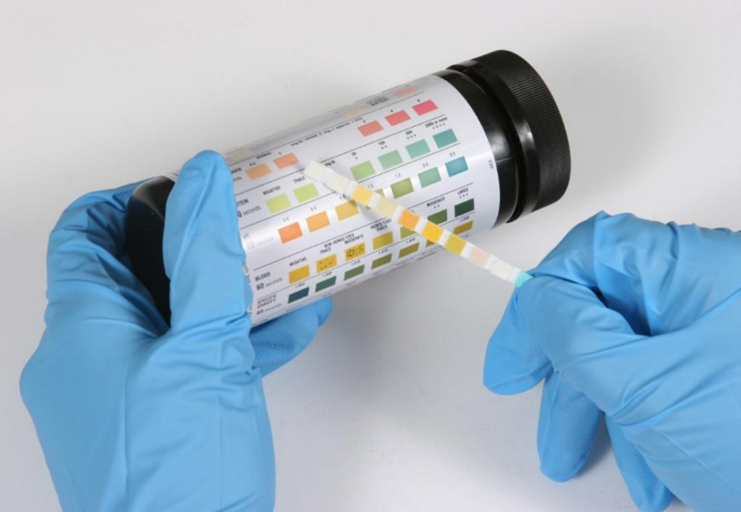
A recent study introduced screening and treatment for infections such as urinary tract bacteria, chlamydia, gonorrhoea and trichomonas.
In tandem with this, women who were underweight received a daily energy and protein supplement made from locally sourced corn and soya.
While these measures did not increase the babies’ birth weight and, results published in June indicated that stillbirth rates were lower for women who received treatment.
What’s in the research pipeline?
Together, these studies and many others have already made meaningful progress in reducing maternal mortality. But there is still a long road ahead to meet the target of fewer than 70 maternal deaths per 100,000 births.
According to the research funding database Dimensions, there are currently 36 active grants focused on maternal mortality in rural communities. The geographic spread is broader than the studies we already have on the ISRCTN Registry – with projects involving Native American, Bangladeshi, Côte d'Ivoiran and Ethiopian populations, though most of the funding is being directed towards studies within the USA.
Reassuringly, there’s a growing trend towards research on maternal wellbeing in rural settings, recognising the importance of mental health interventions as vital contributors to reducing mortality.
Whether the 2030 maternal mortality reduction target will be met remains to be seen. If the world is serious about this, research must continue to prioritise rural communities – no mother should be left behind.
I'm the Programme Manager at BMC for the UK's clinical study registry, ISRCTN, where I focus on making research more transparent and accessible for everyone.
Before this, I managed a portfolio of BMC's Neuroscience journals, oversaw editorial operations of society journals at Wiley, and built and led F1000's Life and Medical Science commissioning team (... not all at the same time).
Pre-publishing, I was a stage manager. Outside of work, I'm a reluctant runner and amateur potter. Usually found out walking my dog or at a gig at the weekend!
Follow the Topic
-
ISRCTN: The UK’s Clinical Study Registry
A primary clinical trial registry recognised by WHO and ICMJE that accepts studies involving human subjects or populations with outcome measures assessing effects on human health and well-being, including studies in healthcare, social care, education, workplace safety and economic development.