June 2026 Highlights from the Health & Clinical and Life Sciences Research Communities
Published in Cancer, Microbiology, and Public Health
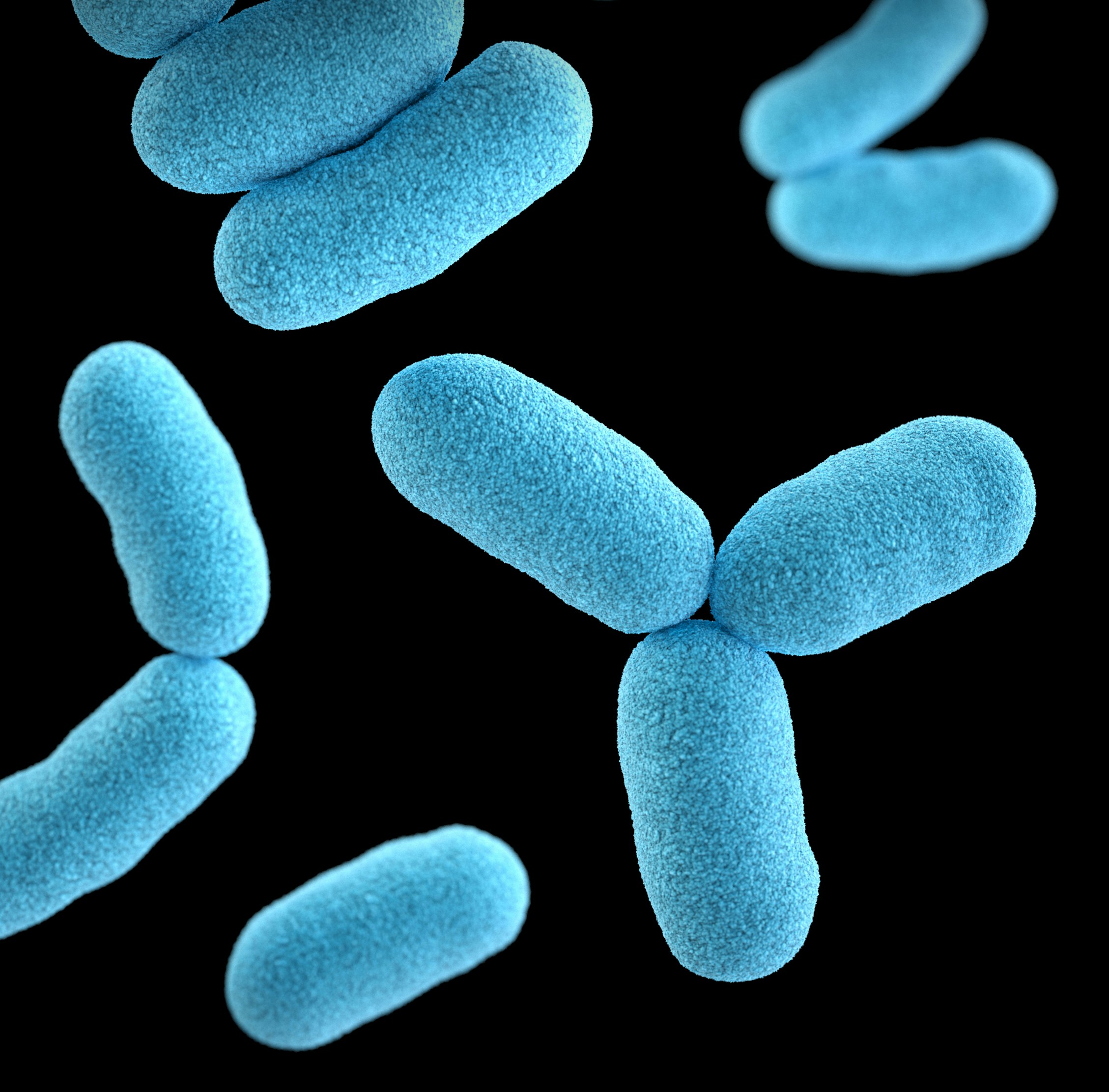
June, like every month, has brought a fantastic selection of posts from across the Health & Clinical and Life Sciences Research Communities, covering topics from the gut microbiome, pregnancy, brain–computer interfaces, to the future of personalised medicine.
Here are five posts that stood out to me this month, focused on World Microbiome Day and Pride Month. They showcase the diverse research, personal stories and scientific discoveries being shared by our community members.
World Microbiome Day
27th of June marks World Microbiome Day. The day highlights the importance of the trillions of microorganisms that live in and on our bodies, and the growing body of research revealing their role in everything from digestion and immunity to brain health, cancer and pregnancy.
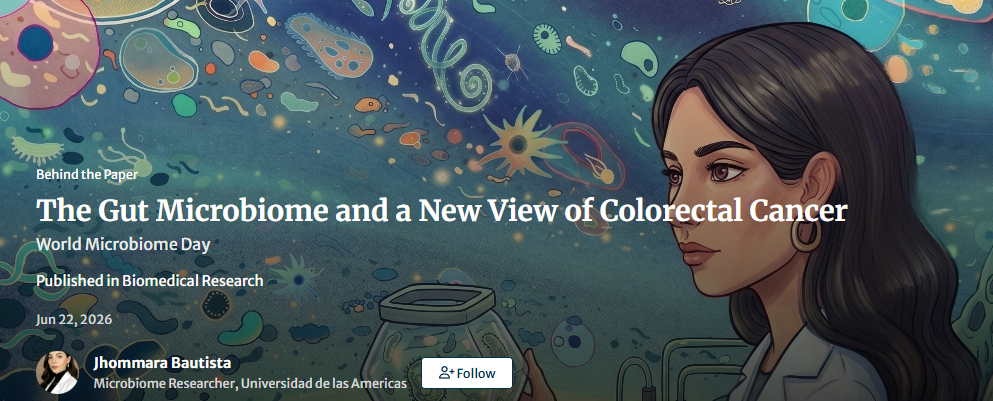
Does the gut microbiome hold the key to understanding colorectal cancer?
How is growing evidence reshaping our understanding of the relationship between the gut microbiome and colorectal cancer? Published in npj Biofilms and Microbiomes, @Jhommara Bautista examines how microbial communities may influence cancer development through interconnected immune, metabolic, neural and endocrine pathways. The Behind the Paper post highlights the shift from studying individual microorganisms to viewing the microbiome as a complex ecosystem, while also discussing emerging areas such as microbial-associated tumour mutations, circadian rhythms and microbiome-based therapies.
Read the full post to discover how a systems-level view of the microbiome could help unlock new approaches to cancer prevention, diagnosis and treatment.
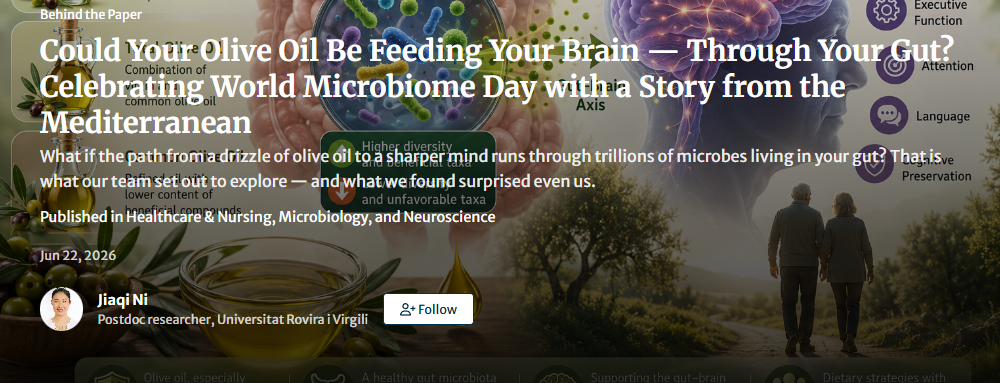
Could olive oil be supporting your brain health through your gut microbiome?
In this Behind the Paper post, @Jiaqi Niexplores new research investigating the links between olive oil consumption, gut microbiota and cognitive health in older adults. Published in Microbiome, the work followed more than 650 participants and found that virgin olive oil was associated with better cognitive outcomes and a more diverse gut microbiome, while common olive oil showed the opposite trend. The post examines the emerging concept of the gut–brain axis and highlights the role of specific gut microbes that may help explain how dietary choices influence cognitive aging.
Read the full post to discover how the Mediterranean diet’s most iconic ingredient could be shaping brain health through the trillions of microbes living in our gut.
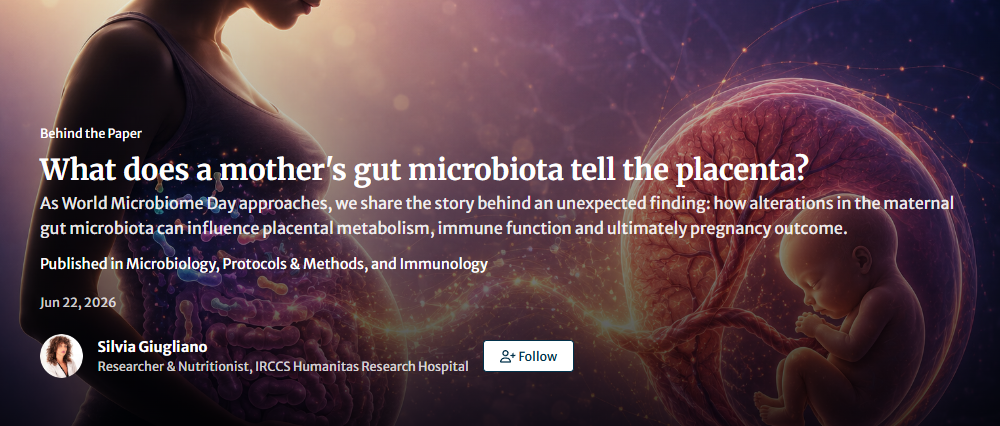
What a mother's gut microbiota tells the placenta
How can changes in the maternal gut microbiota influence pregnancy outcomes? Published in Nature Communications, @Silvia Giuglianodiscusses a previously unrecognised microbiota–metabolism–immunity axis, showing how disruption of the maternal microbiome altered placental development, immune cell activity and fetal survival in a mouse model. The post follows the researchers’ journey from an unexpected observation to uncovering a potential mechanism linking gut health and complications such as preeclampsia.
Read the full Behind the Paper post to discover how signals from the maternal gut microbiota may shape the placental environment and influence the course of pregnancy.
Is there something special about sourdough bread?
Has sourdough’s reputation as a more ‘gut-friendly’ bread got support from science? Ahead of World Microbiome Day, @Emma Feeney outlines a series of studies investigating how sourdough fermentation may influence digestion, blood sugar responses, gut microbiota and overall digestive wellbeing. Combining clinical trials, microbiome analysis and genetic research, the project aims to uncover how the structure and fermentation of bread could affect the way our bodies process one of the world’s most widely consumed foods.
Read the full post to discover how researchers are following the journey of sourdough through the body to understand its potential impact on gut health and digestion.
You can read more about World Microbiome Day 2026 by reading a focused blog from the team which shares a selection of Springer Nature journal articles, collections, ISRCTN clinical study registrations and blog posts. For even more reading, you can read this behind the paper post, which questions gut health and how it can be measured.
Pride Month
June is also Pride Month, a time to celebrate LGBTQ+ communities and recognise the ongoing work needed to advance equality, inclusion and wellbeing. To mark the occasion, I've highlighted an interview with Jaime Eduardo Barrientos Delgado, whose research and editorial leadership are helping to shape important conversations around LGBTQ+ health on a global scale.
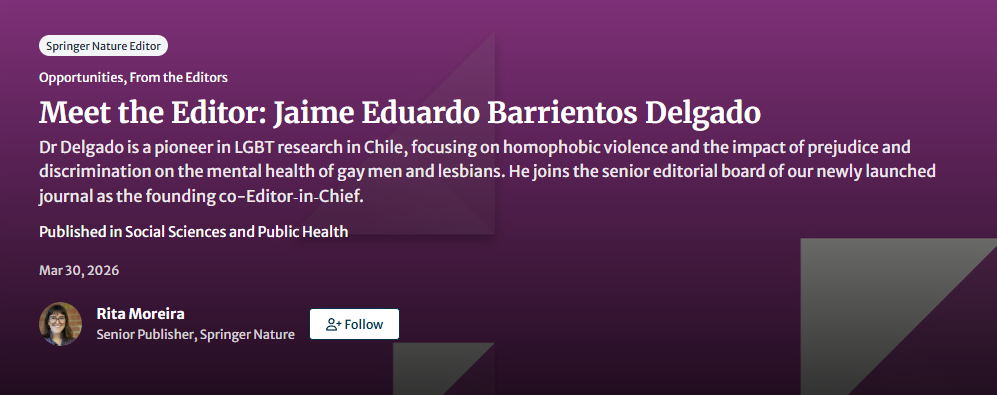
How research helps advance LGBTQ+ health on a global scale
Eduardo Barrientos Delgado is a founding co-Editor-in-Chief of Global LGBTQ+ Health. A pioneer in LGBTQ+ research in Chile, Dr Delgado reflects on his work investigating the impacts of discrimination and violence on health and wellbeing, while sharing his vision for a journal that champions inclusive, intersectional and globally representative research. The discussion also explores emerging areas in LGBTQ+ health, the importance of amplifying voices from the Global South, and the role research can play in addressing ongoing inequalities.
Read the full interview to learn about the journal’s mission and Dr Delgado’s advice for early-career researchers looking to make an impact in this important field.
Explore more:
- January to March 2025 - Quarterly Highlights from Health & Clinical Research and Life Sciences Communities
- April 2026 - Highlights from Health & Clinical Research and Life Sciences Communities
- May 2026 - Highlights from Health & Clinical Research and Life Sciences Communities
- June Highlights from Mathematics, Physical and Applied Sciences Communities

Helping researchers connect, collaborate, and communicate their work. Specialising in Medicine and Life Science and passionate about making science more visible and accessible.
Follow the Topic
-
Nature Communications
An open access, multidisciplinary journal dedicated to publishing high-quality research in all areas of the biological, health, physical, chemical and Earth sciences.
-
ISRCTN: The UK’s Clinical Study Registry
A primary clinical trial registry recognised by WHO and ICMJE that accepts studies involving human subjects or populations with outcome measures assessing effects on human health and well-being, including studies in healthcare, social care, education, workplace safety and economic development.
-
Microbiome
This journal hopes to integrate researchers with common scientific objectives across a broad cross-section of sub-disciplines within microbial ecology. It covers studies of microbiomes colonizing humans, animals, plants or the environment, both built and natural or manipulated, as in agriculture.
-
npj Biofilms and Microbiomes
The aim of this journal is to serve as a comprehensive platform to promote biofilms and microbiomes research across a wide spectrum of scientific disciplines.
-
Global LGBTQ+ Health
Global LGBTQ+ Health is an open access, peer reviewed journal, dedicated to publishing research that advances the understanding and improvement of health outcomes for LGBTQ+ individuals.



Related Collections
With Collections, you can get published faster and increase your visibility.
Women's Health
Publishing Model: Hybrid
Deadline: Ongoing
Animal Gut Nutrition and Greenhouse Gas Mitigation
Animal Microbiome, Journal of Animal Science and Biotechnology and Microbiome call for submissions to the collection on Animal Gut Nutrition and Greenhouse Gas Mitigation.
Efforts to reduce greenhouse gas emissions from livestock systems increasingly hinge on innovations in animal gut nutrition. The dynamic relationship between the gut microbiome and nutrient utilization plays a pivotal role in shaping methane output, feed efficiency, and overall sustainability. Advances in microbial ecology—particularly in understanding the role of gut microbiome in nutrient metabolism—are opening new pathways for mitigating emissions while enhancing productivity. These developments support the implementation of climate-smart agricultural strategies to address climate change and its impacts.
Looking ahead, continued research in this field has the potential to yield innovative solutions such as targeted probiotic supplementation, which could further optimize gut function and enhance nutrient absorption. These advancements may lead to reduced greenhouse gas emissions while improving animal health and productivity. By deepening our understanding of the animal gut microbiome, we can contribute significantly to sustainable agricultural practices that benefit both the environment and food security.
We invite researchers to contribute to this special Collection on Animal Gut Nutrition and Greenhouse Gas Mitigation. Topics of interest include but are not limited to:
- Animal Gut Microbiome and Feed Efficiency
- Greenhouse Gas Mitigation Strategies
- Rumen Fermentation Dynamics
- Nutrient Utilization in Livestock
- Probiotic Supplementation Effects
- Sustainable Livestock Production Practices
- Climate-Smart Agriculture Innovations
This Collection supports and amplifies research related to SDG 13, Climate action.
All submissions in this collection undergo the relevant journal’s standard peer review process. Similarly, all manuscripts authored by a Guest Editor(s) will be handled by the Editor-in-Chief of the relevant journal. As an open access publication, participating journals levy an article processing fee (Animal Microbiome fees, Journal of Animal Science and Biotechnology fees, Microbiome fees). We recognize that many key stakeholders may not have access to such resources and are committed to supporting participation in this issue wherever resources are a barrier. For more information about what support may be available, please visit OA funding and support, or email OAfundingpolicy@springernature.com or the Editor-in-Chief of the journal where the article is being submitted.
Publishing Model: Open Access
Deadline: Dec 05, 2026